
Flavio Cobolli overturns Félix Auger-Aliassime and reaches unprecedented semi-final at Roland Garros

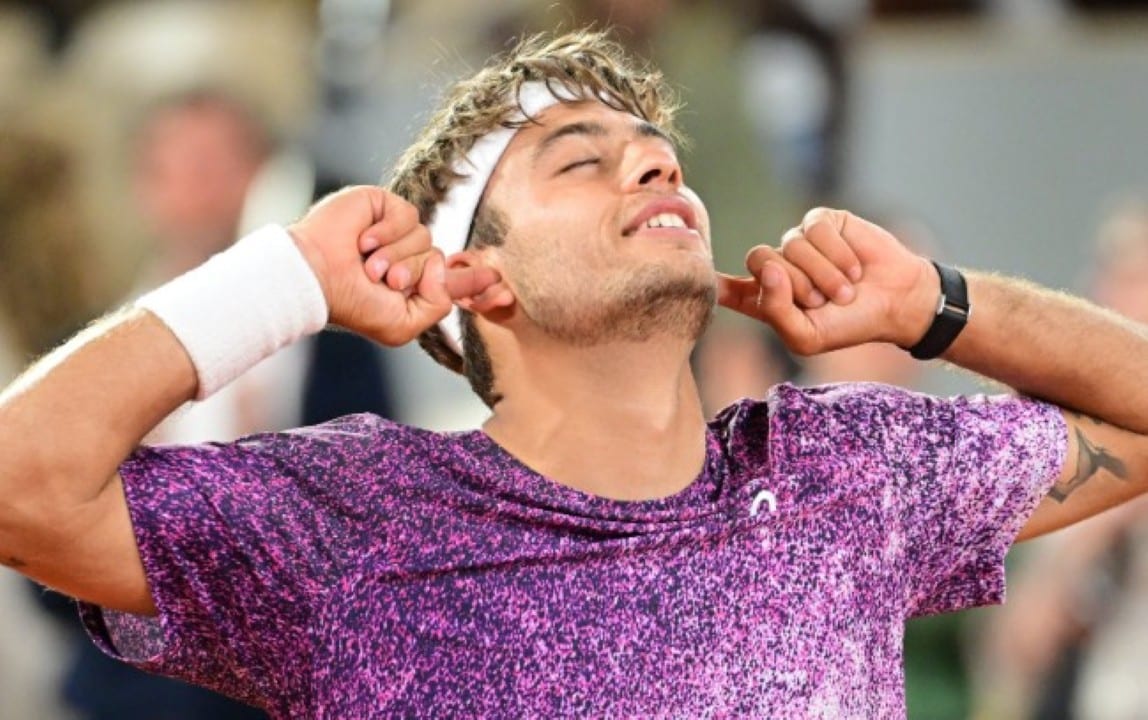
Tennis player Flavio Cobolli defeated Félix Auger-Aliassime in the quarterfinals of the Roland Garros tournament. The match took place on the Philippe-Chatrier court, the main stage of the tennis complex located in the city of Paris. The confrontation required three hours and sixteen minutes of intense physical and technical competition between the competitors. The Italian athlete, who entered the competition as seed number 10, beat his Canadian opponent by 3 sets to 1. The game ended 4-6, 6-4, 6-4 and 6-4 in favor of the European player. The result marks the first time that the 24-year-old athlete has advanced to the semi-final stage in an Grand Slam level tournament during his professional career.
The clash began with clear dominance on the part of the North American tennis player. Félix Auger-Aliassime set an aggressive pace in the first games and managed to break his opponent’s serve quickly. The number 4 seed used the power of his right punches to dictate the dynamics of the initial points. The strategy worked effectively in the opening half, which ended 6-4 without any major difficulties. The adverse scenario required an immediate change of stance from the Italian to avoid an early elimination in the French competition. The ability to adapt tactically became the main differentiator for building a turnaround in the following sets.
Ajustes tactics and recovery on the scoreboard
From the second half onwards, Flavio Cobolli changed his positioning at the back of the court. The tennis player drastically reduced the number of unforced errors and increased the depth of serve returns. The precision in parallel balls made it difficult for the opponent to move laterally on the clay floor. The Italian found the ideal time on the ball and started to command the longer exchanges of blows. With a well-timed break of service, he won the second set 6-4 and tied the overall match. The change of momentum in the game changed the dynamics of the confrontation and transferred the pressure to the Canadian side.
Balance marked the ball disputes throughout the central phase of the clash in Paris. The Canadian tried to pressure second serve returns, but found a solid defense on the other side of the net. The Italian maintained technical consistency and did not lose any more service games after the end of the second set. Mental solidity made the difference in moments when the score was threatened by breakout opportunities. The concentration allowed the European to save the break points created by his opponent and maintain the lead in the following stages.
Estatísticas confirm service efficiency
The final numbers of the match reflect the strategy adopted by the winner to overcome the fourth favorite of the tournament. Flavio Cobolli recorded 69% success in points played with the first serve. The Canadian achieved 62% success on the same statistical basis. The percentage difference guaranteed an important tactical advantage in the final stretches of the third and fourth sets. Control of the service games was essential for building a positive result and maintaining the Italian athlete’s confidence.
The performance under pressure prevented the opponent from regaining control of the score in the decisive moments. The Italian served in 13 consecutive games in the final half of the match, demonstrating great emotional stability. The data from the clash highlights the level of precision achieved by the two competitors on the main court.
- Flavio Cobolli won 17 service games during the match compared to 15 for his Canadian opponent.
- The Italian athlete fired seven aces and committed just four double faults throughout the match.
- Félix Auger-Aliassime scored 84 service points against 67 recorded by the winner.
- The total number of points won ended at 127 to 125 in favor of the European tennis player.
- The winner converted five of ten service break opportunities over the four sets.
- The Canadian player took advantage of just three of eleven chances to break his rival’s serve.
The use of the second serve also directly influenced the outcome of the game. The European tennis player won 58% of the points played with the second serve. The North American athlete achieved 57% success in the same metric. The small details defined the longest and most balanced games of the match, especially in the fourth and final part.
Desgaste physical and clay floor requirement
The Roland Garros tournament requires a high level of physical fitness due to the specific characteristics of its surface. Clay naturally slows down the game and prolongs ball exchanges at the back of the court. The match lasting more than three hours tested the muscular and cardiovascular endurance of both competitors. The favorable weather conditions in the French capital contributed to the intensity of the disputes, without interruptions due to rain.
Félix Auger-Aliassime, 25 years old, showed clear signs of physical wear and tear in the fourth half. The Canadian was competing in the quarterfinals stage at Roland Garros for the first time in his career. The athlete was coming off a long and exhausting victory in the round of 16. The accumulated fatigue hampered the precision of his strikes at critical moments and reduced the speed of his lateral movement.
Flavio Cobolli maintained a high level of physical intensity until the last point. The youngest player ran the entire length of the court and saved angled balls efficiently. The ability to recover between points allowed the Italian to sustain his aggressive tactics in the final stretch. The match ended when the European converted the decisive match point on his opponent’s serve.
Momento historic for Itália men’s tennis
Qualifying for the semi-final represents a milestone in the winner’s professional career. Derrotar, an opponent positioned in the top 10 of the world rankings in an Grand Slam event, raises the athlete’s level on the international circuit. The player showed emotion when confirming the victory on the center court and cited the importance of the result for his evolution in the sport. The campaign in Paris consolidates a season of continuous ascension.
The result strengthens the presence of the Italian delegation in the competition played at França. Três players from the country reached the quarterfinal stage in the same edition of the tournament, an unprecedented feat in Era Aberta tennis. Investment in youth categories and technical development directly reflects the current results achieved by the country’s professionals. The sport gains even more popularity in Italy with consecutive victories.
The recent history of direct confrontations already indicated a favorable scenario for the European tennis player. Flavio Cobolli had beaten Félix Auger-Aliassime on two previous occasions during the 2024 season. The new victory on French clay consolidates the Italian’s superiority in the meetings held this year. The athlete arrived at Paris with a good record and confirmed the expectations generated by his performance in the previous months.
Preparação for the decisive duel in the semi-final
The Italian tennis player’s next challenge is already defined in the Roland Garros main draw. Flavio Cobolli will face the winner of the match between Matteo Berrettini and Matteo Arnaldi. The confrontation will guarantee the presence of a representative of Itália in the grand final of the tournament, ensuring a historic moment for the country. The duel between compatriots at such an advanced stage of an Major attracts the attention of the global sports press.
A clash between players of the same nationality in an Grand Slam semifinal is a rare event in the recent history of the sport. The athletes know each other well, train together frequently and are part of the same team in national team competitions. Mutual knowledge of playing styles adds an extra tactical element to match preparation. Each player’s coaching staff works on developing specific strategies to nullify the opponent’s strengths.
The immediate focus of the Flavio Cobolli team is on the athlete’s muscle recovery after the long confrontation in the quarterfinals. The rest period before the semi-final involves physiotherapy sessions, adequate hydration and light training on attached courts. The preparation aims to maintain the level of physical and technical excellence demonstrated so far in the tournament. The tennis player seeks to take advantage of the unique opportunity to compete for the title of one of the most traditional championships in the world.





