
Sedan duel: Honda City 2026 and Hyundai Verna compete in the market with a focus on technology and engine

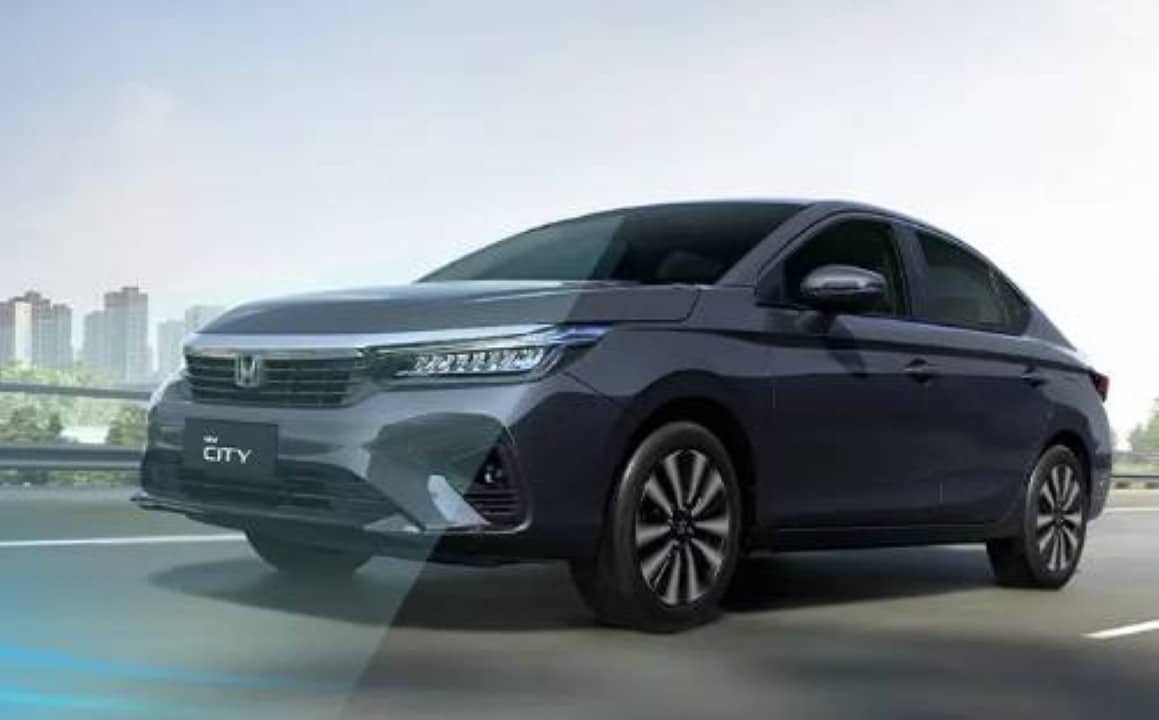
The recent visual and technological update of the Honda City 2026 intensifies the competition in the sedan segment against the consolidated Hyundai Verna. The two models target a demanding consumer profile that seeks high levels of comfort, advanced safety systems and an attractive cost-benefit ratio in the competitive Indian market. The introduction of new standard equipment intensifies direct competition between Asian automakers.
The commercial clash between these vehicles highlights how each manufacturer structures its strategy to meet specific urban and road mobility demands. Enquanto the Japanese brand prioritizes mechanical refinement and high energy efficiency with electrified options, the South Korean manufacturer invests heavily in dynamic performance and a package of superior convenience features. The purchasing decision now depends directly on the driver’s daily use profile.
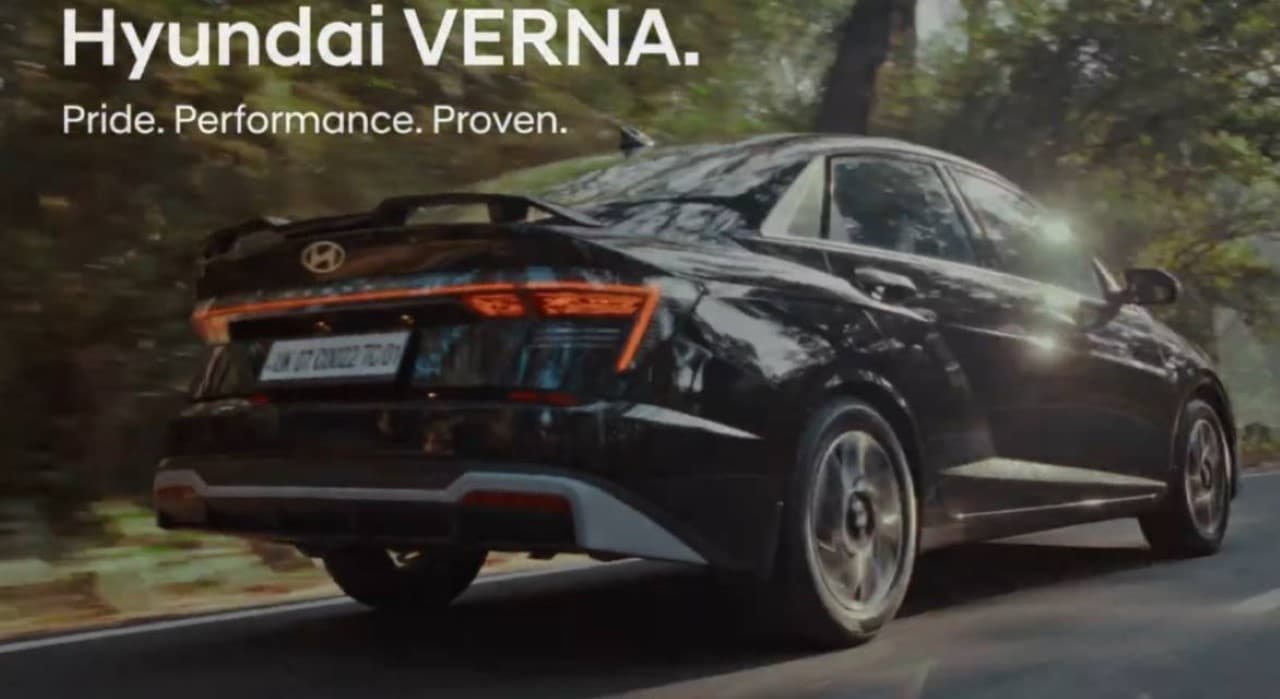
Posicionamento of prices and commercial strategies of car manufacturers
Analysis of the price table reveals different approaches to attract consumers at the first contact with dealerships. The Hyundai Verna has a starting price of 10.98 lakh rupees for its most basic configuration. The Honda City 2026, in turn, starts selling in the 12 lakh rupees range. Essa initial difference exceeding one lakh rupees gives an immediate competitive advantage to the South Korean model among buyers who have a more restricted budget to purchase a brand new vehicle.
The financial gap between the models becomes even more significant when looking at the top-of-the-line versions offered in the catalogs. The Honda sedan equipped with the sophisticated strong-hybrid system reaches figures close to 21 lakh rupees. The Verna in the turbo engine configuration is priced at around 18.4 lakh rupees. The intermediate variants of both cars, however, maintain cost parity that intensifies the competition for the average customer.
Market behavior indicates that corporate buyers, fleet owners and drivers strictly focused on daily urban commuting tend to analyze the Verna with greater attention due to the lower acquisition cost. Profissionais and families who frequently take long trips often value the City hybrid package as a long-term investment. Fuel savings over years of use can offset the extra amount paid at the dealership.
Vehicle Arquitetura and use of internal space
The vehicles’ structural dimensions expose the engineering choices made to balance cabin livability and directional stability. The Honda City 2026 registers a total length of 4,594 millimeters, surpassing its rival by 29 millimeters. Essa characteristic gives the Japanese model the title of longest vehicle in the comparison. The wheelbase, however, measures 2,600 millimeters, being exactly 70 millimeters below the measurement presented by the competitor.
The Hyundai Verna demonstrates superiority in the cargo volume available to users, offering a trunk with a capacity of 528 liters, compared to the 506 liters made available by the City. The South Korean project also features a 17 mm wider body, which directly impacts the accommodation of passengers’ shoulders in the rear seat. The Honda sedan compensates for these measurements with a slightly higher overall height, improving headroom for the occupants.
Essas millimeter variations transform the experience of those traveling in the second row of seats. The Verna offers a more generous area for leg accommodation, a direct benefit of its elongated wheelbase. The City uses its architecture to ensure an optimized center of gravity, focusing on body stability during maneuvers at cruising speeds on highways.
Pacote technological and advanced assistance systems
The level of standard equipment demonstrates the maturity of the sedan category, bringing models closer to vehicles in higher segments. Ambos cars leave the factory equipped with full LED optical sets, 16-inch alloy wheels, electric sunroof and induction charging bases for smartphones. Connectivity is also a shared strength, with wireless support for the Apple CarPlay and Android Auto platforms.
The South Korean manufacturer decided to equip its model with convenience items that are generally only found in premium categories, aiming to attract consumers focused on embedded technology.
- Fully digital instrument Painel with 10.25-inch screen.
- Sistema high fidelity audio signed by the Bose brand.
- Bancos front equipped with internal ventilation system.
- Ajustes exclusive positioning electrics for the driver’s seat.
- Sensores integrated front parking in multiple versions.
The Honda City maintains a more traditional approach to its interior, retaining manual adjustments for the front seats, but is not far behind in terms of active safety. Both sedans offer the level 2 ADAS package, which includes autonomous driving assistants, as well as six protective airbags, cameras with 360-degree vision to assist with maneuvers and electronic traction and stability controls.
Mechanical Desempenho opposes hybrid efficiency and turbo power
The range of powertrains clearly defines the character of each vehicle and the target audience. The City is sold with a 1.5 naturally aspirated engine capable of generating 121 horsepower and 145 Nm of maximum torque. The line’s biggest differentiator is the strong-hybrid version, which combines electric and combustion engines to deliver 126 horsepower and a robust torque of 253 Nm. Esse mechanical set allows the sedan to record consumption figures exceeding 20 kilometers per liter in real traffic conditions.
The Verna diversifies its catalog with two distinct combustion engine options. The entry-level version has a 1.5 naturally aspirated engine that produces 115 horsepower. The highlight of the range is the 1.5 turbocharged engine, which develops 160 horsepower and 253 Nm of torque, consolidating itself as the most powerful option in the entire segment. Essa configuration directly caters to drivers who value vigorous accelerations and quick speed regains.
Transmission options also reflect the brands’ philosophies. The Verna turbo can be equipped with an automated dual-clutch transmission (DCT), which guarantees extremely fast gear changes, especially when the sport driving mode is activated. The City uses CVT-type transmissions in its automatic versions, prioritizing smooth power delivery, the absence of jerks during acceleration and acoustic silence inside the cabin.
Critérios decisive for consumers in the segment
The choice between the two sedans depends on a careful analysis of the owner’s daily travel needs. Motoristas who face frequent congestion and seek to reduce fueling costs find the hybrid Honda City the most suitable solution. The reputation of Japanese mechanics and the history of low depreciation in the used car market also weigh favorably for the brand.
Consumidores that prioritize driving pleasure and insist on a cabin full of screens and electronic resources tend to close a deal on the Hyundai Verna. The turbo engine offers a level of dynamism on the road that the economy-focused competitor cannot match, combined with a more attractive initial purchase cost in the entry-level versions.
The current automotive market requires automakers to deliver increasingly complete and versatile products. Carrying out a practical driving test remains the most effective tool for the buyer to evaluate ergonomics, throttle response and acoustic insulation, ensuring that the investment fully meets the family’s usage expectations.



