
South Korean researchers create film that uses body heat to power smart watches

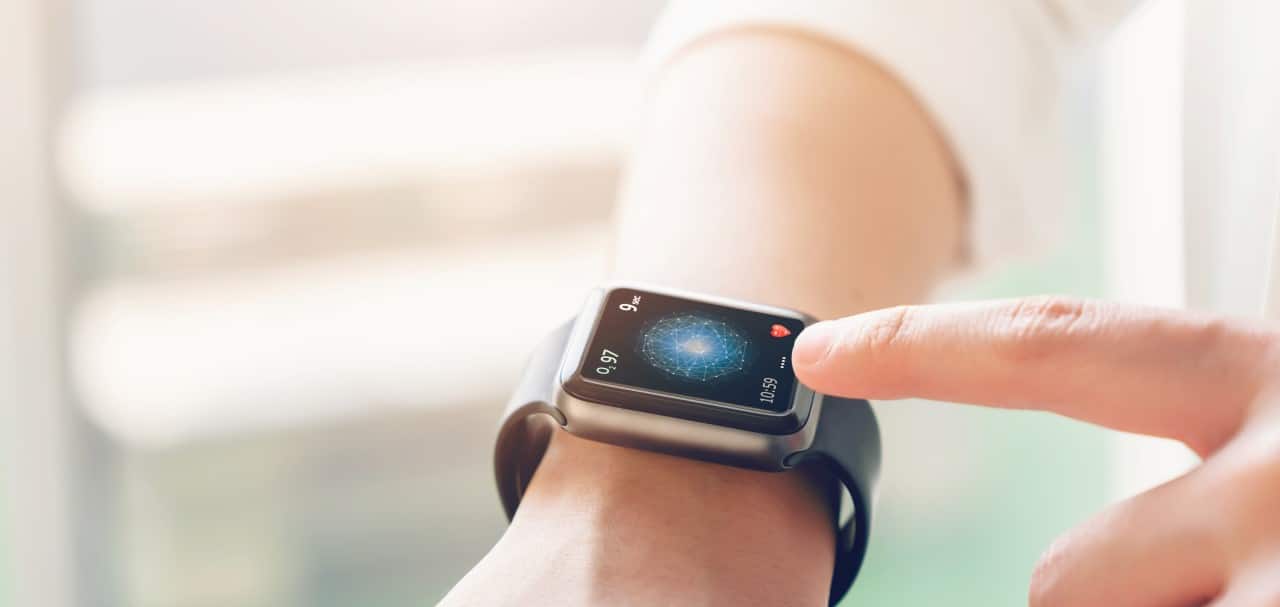
Pesquisadores of Universidade Nacional of Ciência and Tecnologia of Ulsan (UNIST), in Coreia of Sul, presented a thermoelectric material capable of transforming the temperature difference between human skin and the environment into electricity. Technological advancement allows the creation of wearable devices that work uninterruptedly without the need for traditional batteries. The new ultra-thin film adapts to the wrist and captures residual body heat to keep equipment turned on. The innovation changes the dynamics of use of smart watches and health trackers in the global market.
Eliminating dependence on daily recharges solves one of the main bottlenecks in the portable electronics industry. The innovative material forces directional heat flow and improves conversion efficiency under real-world conditions. Diferente from previous generations of generators, the new flat film maintains stable contact with the user’s skin. Essa feature increases energy production even with sudden temperature variations in the external environment. Especialistas from the industry indicate that the concept can be integrated directly into the watch band or main case.
Como works thermal conversion on the user’s wrist
The operating principle is based on the direct conversion of heat into electricity without the use of moving parts. One side of the thermoelectric material is in direct contact with the skin, capturing body heat that varies around 32 to 37 degrees Celsius. The other side of the component is exposed to external air, which normally has a lower temperature. Essa thermal difference generates an immediate electrical voltage. The energy flow powers the low-consumption circuits inside the smart watch.
The new films developed by the South Korean team have reduced thickness and greater flexibility than previous models. The structural change resolves chronic stiffness and low efficiency issues found in older prototypes. Testes laboratory tests demonstrated stable performance during light physical activities and in environments with varying temperatures. The thin layer structure optimizes the heat path and reduces energy losses during the conversion process.
The material maintains operational efficiency even when the thermal difference between the body and the air is small. Essa condition occurs frequently in the daily lives of users. The feature represents a fundamental step for devices that need to operate 24 hours a day. Monitores heart rate and sleep trackers require constant flow of power to record data accurately. The system produced enough electricity to power simple displays and basic sensors continuously during the experiments.
Impacto environmental and advantages for continuous monitoring
The drastic reduction in the need for traditional batteries directly contributes to reducing the disposal of electronic components. Dispositivos wearables generate a large volume of waste containing lithium and other heavy metals every year. Self-sufficient Soluções mitigate this environmental impact and align the industry with new sustainability demands. Users gain convenience by eliminating the routine of plugging devices into a socket.
- Geração continuous electricity from small daily thermal variations.
- Redução from the disposal of lithium batteries and heavy metals in the environment.
- Flat and flexible Design that facilitates integration into bracelets and watch cases.
- Manutenção for uninterrupted monitoring of vital signs and physical activities.
- Compatibilidade with low-power processors and efficient screens.
The body heat-powered watch maintains continuous operation as long as it is positioned on the wrist. The format benefits professionals who depend on constant monitoring of health metrics. High-performance Atletas and medically monitored patients obtain accurate data without interruptions due to lack of charge. The technology opens the door to new, lighter and more comfortable device formats. The absence of bulky battery compartments allows for slimmer, more discreet designs.
Desafios production and material durability
The power generated by the thermoelectric film remains limited compared to conventional lithium batteries. The restriction requires the use of extremely efficient circuits and low-power displays. Telas with e-paper or OLED technology appear as viable options for these new devices. In situations where the ambient temperature is very close to body temperature, energy generation temporarily decreases. Hot Climas or prolonged periods of rest affect the volume of electricity produced by the system.
The durability of the thin film in constant contact with sweat represents another point of attention for researchers. Repetitive wrist movements also test the structural strength of the component over the months. Long-term Testes occurs in the laboratories to ensure that the material does not degrade with heavy daily use. Camadas slim protectors ensure user comfort without compromising heat transfer performance. Regulamentações safety devices that operate in direct contact with the skin require strict certifications.
Fabricantes interested in the technology evaluate mass production costs before launching commercial products. Initial manufacturing costs tend to be higher due to the complexity of the ultra-thin material. Volume production should make access to technology cheaper in the coming years. Compatibility with existing electronic components facilitates adoption by the electronics industry. Empresas of watches studies how to incorporate the generator without compromising the aesthetics of the devices.
Expansão of medical technology and hybrid systems
UNIST’s thermoelectric technology can be adapted to devices other than smart watches. Pulseiras physical activity and glucose monitors appear as natural candidates to receive the innovation. Sensores low-power medical implants also benefit from the concept of energy harvested from the human body itself. The approach gains traction in areas where changing batteries is inconvenient or physically impossible. Complementary Pesquisas explores the integration of generative films into smart fabrics and clothing.
Desenvolvedores see potential in sectors such as public security and construction. Profissionais in these areas use personal protective equipment that must operate uninterruptedly during work shifts. The combination with other energy sources creates even more robust hybrid systems for the market. The capture of kinetic energy through movement or the use of small solar panels complements thermal generation. Plataformas software such as Android Wear and watchOS already have the ability to manage sensors powered by these alternative sources.
The South Korean team continues to refine the chemical composition of the material to increase power density. Functional Protótipos have already been tested in simulated conditions of real use with volunteers. Parcerias with electronics industries accelerate the transition from the laboratory environment to assembly lines. Outros research centers around the world follow the development and seek variations of the same physical principle. The convergence of global efforts accelerates the creation of commercial standards for the new generation of wearable devices.





