
Automotive critics choose Mazda3 and Nissan X-Trail as top vehicles of the Reiwa era

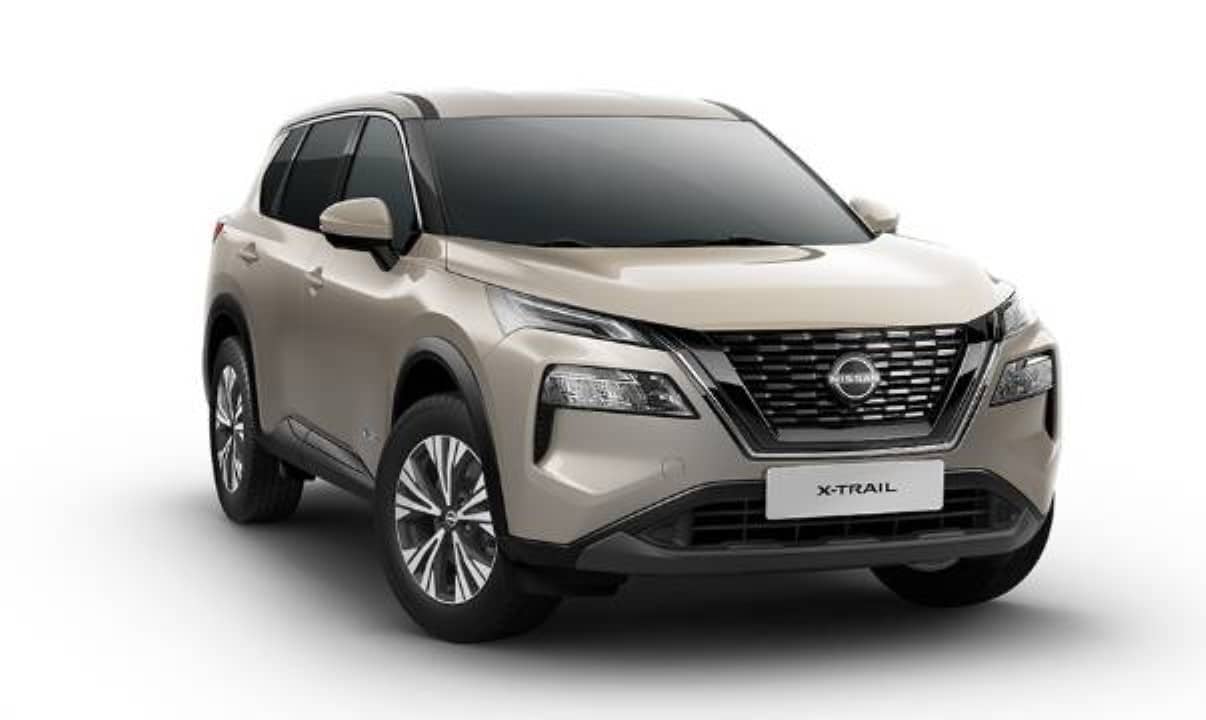
Especialistas from the Japanese automotive sector defined the vehicles considered the main masterpieces of the Reiwa era. The selection focuses on models that feature significant innovations in engines and propulsion systems. Nomes, respected by specialized critics, such as Hideshi Matsuda, Satoshi Saito, Yohei Hashimoto and Shinichi Katsura, conducted the technical evaluations. The group analyzed dozens of vehicles launched in recent years to reach the final verdict.
The selection criteria involved factors such as drivability, accelerator responsiveness and energy efficiency. The Reiwa era period began in the year 2019. Essa phase directly coincides with the accelerated transition to hybrid vehicles and optimized combustion engines in Japão. Automakers seek to balance the pleasure of driving with modern environmental requirements imposed by emissions legislation.
Mazda3 gains prominence with compression ignition engine
The Mazda3 occupies the leading position in the list prepared by expert Hideshi Matsuda. The specific version evaluated is the HF-VPH, equipped with the 2.0 SKYACTIV-X engine. Esse propellant uses SPCCI technology, an acronym for spark-controlled compression ignition. The system allows the burning of a lean mixture of air and fuel using regular gasoline. The innovation represents a milestone in internal combustion engine engineering.
The engineering applied to this engine combines the main advantages of the gasoline and diesel cycles. The practical result delivers an immediate response to throttle command and a high level of thermal efficiency. Matsuda highlights that the reaction capacity of the mechanical assembly resembles the dynamic behavior of fully electric vehicles in certain speed ranges. Torque delivery occurs linearly and constantly.
The manufacturer developed the SPCCI system with the central objective of preserving the sporty driving experience without sacrificing consumption. The electronic engine management switches seamlessly between conventional spark plug ignition and compression ignition. The transition occurs according to the load required by the driver and the driving conditions. The control software processes thousands of data points per second to ensure optimal operation.
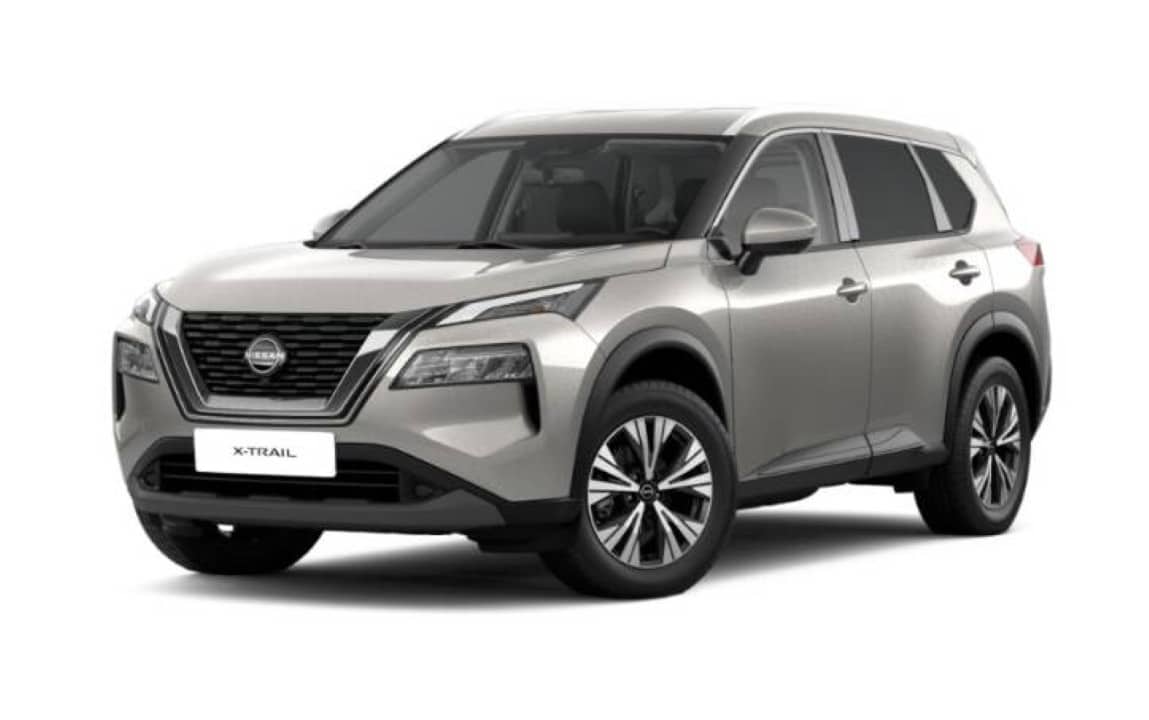
Nissan X-Trail innovates with variable compression system
The Nissan X-Trail sports utility vehicle secured its place in the ranking thanks to the KRI5DDT mechanical package. The highlight of the model lies in the VC-Turbo system, capable of changing the compression ratio of the cylinders in real time while driving. Essa technology works in conjunction with the brand’s e-POWER versions. The power supply for electric traction motors gains greater efficiency with this advanced mechanical solution.
The 1.5-liter turbo engine with three cylinders adjusts its internal geometry to find the ideal point between maximum power and fuel economy. Quando the driver demands high performance, the system reduces the compression ratio to prevent premature detonation. In cruising speed situations, the rate increases to maximize thermal efficiency. The acceleration behavior resembles the power delivery of a pure electric car. The mechanical transition occurs without jerks.
Evaluators point out that the Nissan X-Trail achieves a superior level of integration between the combustion engine and the hybrid system. Speed progression happens fluidly on different types of terrain. The cabin’s sound insulation also received praise for keeping engine noise under control even during hard acceleration. The automaker managed to isolate the vibrations characteristic of three-cylinder engines.
Subaru Crosstrek and the strength of symmetrical all-wheel drive
The list of masterpieces includes the Subaru Crosstrek equipped with the FB25 engine. The automaker’s strategy for its hybrid system differs from competitors by prioritizing the delivery of immediate torque and maintaining AWD traction. Fuel consumption does not reach the lowest levels in the category. The vigorous response during acceleration, however, satisfies the most demanding drivers. The focus remains on performance in adverse conditions.
The traditional 2.5-liter boxer engine provides the characteristic power that defines the Subaru’s identity. The mechanical package demonstrates technical superiority in off-road driving situations and stability in high-speed curves. Matsuda’s analysis indicates that the brand’s hybrid system compensates for the mechanical friction inherent to all-wheel drive with aggressive throttle calibration. The weight distribution of the counter-opposed engine helps with the center of gravity.
The 2026 Crosstrek Hybrid line has undergone recent software and hardware upgrades. The vehicle preserves the permanent symmetrical all-wheel drive architecture. Esse technical difference continues to be the manufacturer’s main selling point in the global market. The auxiliary electric motor is integrated directly into the continuously variable transmission.
Honda Accord and Lexus LBX Morizo RR complete the selection
The Honda Accord sedan is present in the ranking with the LFD-H6 e:HEV engine. The model stands out for offering refined and silent handling. The hybrid system consisting of two electric motors generates a combined power of 204 hp. The calibration of the accelerator pedal and the smooth transition between propulsion modes draw the attention of experts. The sedan prioritizes comfort on long journeys.
The premium compact crossover segment is represented by the Lexus LBX Morizo RR. The vehicle uses the G16E-GTS engine, a 1.6 three-cylinder turbo engine focused on high performance. Essa mechanical configuration introduces sporty dynamic behavior into a category traditionally focused on calm urban use. The suspension and steering setup seeks the exact balance between agility and road stability.
The experts consolidated the main technical characteristics that justify the presence of each model in the final list of evaluations:
- Mazda3 with SKYACTIV-X engine focuses on efficient combustion and quick throttle response.
- Nissan X-Trail uses the VC-Turbo system to optimize the versatility of the hybrid package.
- Subaru Crosstrek delivers robust torque combined with the traditional AWD traction system.
- Honda Accord offers refined drivability with its dual-motor e:HEV system.
- Lexus LBX Morizo RR brings sporty performance to the compact crossover segment.
The joint assessment of critics demonstrates that automotive excellence in the current era goes beyond the simple measurement of raw power. The intelligence applied to electronic management systems and driving pleasure determine the success of a project. Engineers must deal with battery weight restrictions and gas emissions limits.
Transição energetics sets new engineering standards
The beginning of the Reiwa era posed complex engineering challenges related to fleet electrification. Japanese manufacturers have directed billions in investments to the development of advanced hybrid systems and the thermal optimization of combustion engines. Mazda chose an independent technological path with the development of SPCCI. Nissan focused its efforts on the commercial viability of the VC-Turbo system on a large scale.
The Subaru maintained its loyalty to the boxer engine architecture and permanent all-wheel drive system. The Honda and Lexus have focused development on finding the perfect balance between energy efficiency and acoustic refinement. The different engineering approaches reflect each automaker’s particular visions of the future of urban and road mobility. The Japanese market serves as a laboratory for these global technologies.
The evaluation criteria for the automotive market have undergone a profound transformation in this decade. Acceptance of new technologies depends on automakers’ ability to deliver efficiency without eliminating the mechanical connection between the driver and the vehicle. The industry uses specialized critics’ reports to guide the development of the next generations of automobiles. Modelos focused on specific niches continue to receive attention from brands’ sports divisions.





