
Israeli bombings in Lebanon leave five dead and hit UN base amid new truce

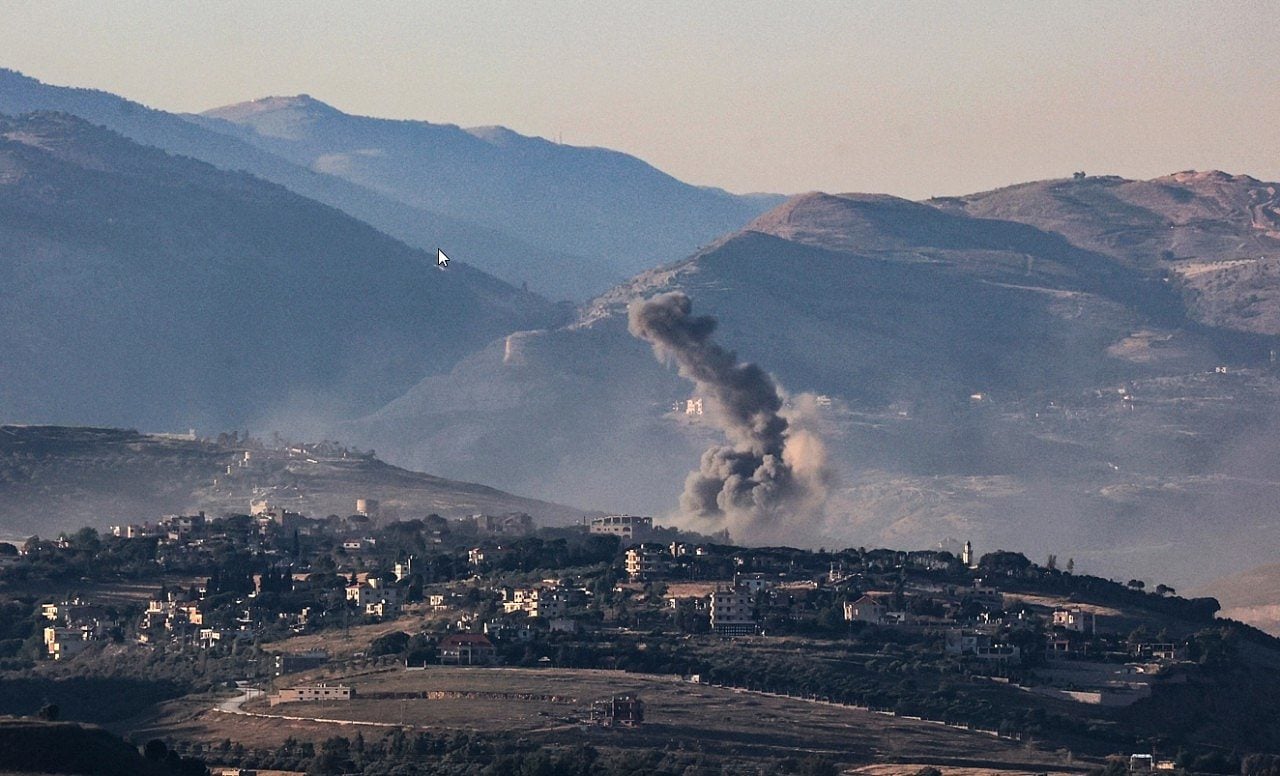
The continuation of hostilities in Líbano resulted in the death of five people, including a member of the Nações Unidas peacekeeping forces, during military operations recorded this Thursday. The worsening of the crisis comes shortly after the announcement of a new attempt at a ceasefire between the Israel government and the Hezbollah group. Israeli forces continued bombings in different regions of the Arab country, hitting civilian areas and strategic positions. The international community is watching with apprehension the collapse of recent negotiations. The instability scenario directly affects regional security and global trade routes.
Ataques air raids hit villages in the south and east of Lebanese territory
Agência Nacional of Notícias of Líbano confirmed that offensives with drones and fighter jets caused fatalities in residential areas. In the town of Maaroub, a targeted air strike hit a motorcyclist, who died on the spot. The same explosion left four other people seriously injured. Rescue teams face extreme difficulties in operating. The risk of further bombings prevents the rapid removal of rubble from main roads. Local infrastructure suffers severe damage with each new military incursion, limiting access to basic health and supply services.
The bombings extended beyond the southern border, reaching Vale of Bekaa, located in the eastern portion of Líbano. In the village of Sohmor, an Israeli military operation resulted in the deaths of three individuals. Local health authorities reported the arrival of several injured people in hospitals in the region, which are already operating above maximum capacity. Israel’s army has not commented on specific operations, but maintains constant alerts for civilians to avoid areas allegedly used by Hezbollah. The absence of direct communication channels worsens the humanitarian crisis and increases the number of non-combatant victims.
Morte from Serbian peacekeeping mission officer increases diplomatic tension
The armed conflict took a direct toll on the international monitoring forces operating on the border. A soldier of Serbian nationality, who was part of the UNIFIL mission, died after a mortar projectile hit the base where he was stationed. Ministério of Defesa of Sérvia confirmed the loss of the soldier in an official statement. The attack took place near Marjayoun, a predominantly Christian town that has become a point of intense crossfire in recent weeks. Outros two peacekeepers suffered injuries during the same episode and are receiving medical care.
The authorship of the shot that hit the Nações Unidas facilities remains under official investigation by the competent authorities. UN technical teams are seeking to determine whether the mortar came from Israel’s artillery batteries or Hezbollah’s launch positions. The safety of peace officers has become a central topic in diplomatic debates. International law requires the absolute protection of installations in war zones. Violation of these norms could generate additional sanctions for those involved and force a review of the mandate of the international mission in Lebanese territory.
Impactos Geopolitical and Trade Blockade on Estreito of Ormuz
The ramifications of the conflict go beyond the borders of Levante and affect the global economy in a major way. Tensions between Estados Unidos and Irã, Hezbollah’s main ally, resulted in the practical closure of Estreito from Ormuz. Antes of military escalation, this sea route transported around twenty percent of all the oil and natural gas consumed in the world. The transit of fertilizers and agricultural commodities has also come to an almost complete standstill. The financial market reacts with volatility in the face of uncertainty about energy supply for the coming months.
The president of Estados Unidos, Donald Trump, recognized the complexity of the scenario and the difficulty of implementing lasting agreements in the region. American forces focus efforts to protect commercial shipping and their own military bases on Golfo Pérsico. In return, Irã intensified the use of drones and missiles against facilities in countries allied with Washington. Prime Minister Benjamin Netanyahu, who faces an election year in Israel, maintains his stance of prolonging the military offensive. The Israeli government’s stated objective is to completely neutralize the attack capabilities of neighboring militias, regardless of external pressure.
Ceticismo of the local population given the history of failed truces
The succession of broken agreements generates deep disbelief among Lebanese civilians living in areas of imminent risk. In the coastal town of Sidon, the announcement of the new ceasefire was met with widespread distrust. Moradores report physical and mental exhaustion after months of forced displacement. Resident Mayada Hijazi summed up the local feeling by stating that the declarations of peace do not prevent the deaths from continuing. The cycle of fleeing and returning to destroyed homes affects thousands of families who have lost their livelihoods.
The testimony of citizen Salah Nassab illustrates the wear and tear of the civilian population in the face of the prolonged war. Ele reported the tiredness of living in a state of permanent uncertainty, where political rhetoric does not translate into safety on the streets. Líbano’s recent history demonstrates a pattern of tactical pauses followed by violent resumptions of shelling. The lack of solid international guarantees impedes the reconstruction of affected cities and the safe return of displaced people. Humanitarian agencies warn of the rapid depletion of basic survival resources.
- The ceasefire established at the beginning of 2024 failed to stop hostilities on the border.
- The joint operation of Israel and Estados Unidos against Irã on February 28 accelerated the regional crisis.
- Hezbollah conditions any truce on the total withdrawal of Israeli troops from Lebanese territory.
- Negotiations mediated by diplomats come up against territorial demands considered non-negotiable.
The leader of Hezbollah, Naim Qassem, reinforced the armed group’s intransigent position in a recent statement. Ele has publicly stated that Israel’s north will remain under threat as long as Líbano’s villages are shelled. Essa’s stance of mutual retaliation makes pacification efforts conducted by external mediators unfeasible. The militia’s military leadership demonstrates the ability to maintain daily rocket launches against neighboring territory. The Israeli anti-aircraft defense system operates at the limit of its ability to intercept the devices.
Avanço territorial and the requirements for a definitive agreement
The dynamics on the battlefield significantly altered the map of military control in the border region. Israel forces carried out the largest land advance in the south of Líbano since the period of occupation that lasted from 1982 to 2000. Estimativas point out that Israeli troops currently control around twenty percent of the neighboring country’s territory. Essa deep military presence serves as the main pressure element in indirect negotiations. The Lebanese government demands the immediate restoration of its territorial sovereignty and the withdrawal of invading troops.
External influence dictates the direction of peace negotiations and prolongs the diplomatic impasse. The Irã government established as a primary condition the complete withdrawal of Israel forces to the lines before the start of the war. Esmail Qaani, commander of Força Quds of the Iranian Guarda Revolucionária, reiterated the commitment to combat the Israeli presence in Oriente Médio. The intersection of local interests and global powers transforms the south of Líbano into a highly complex geopolitical board. The absence of concessions from both sides indicates the maintenance of the state of belligerence.





