
Return of the Toyota Camry sedan to the Japanese market will have units manufactured in the United States

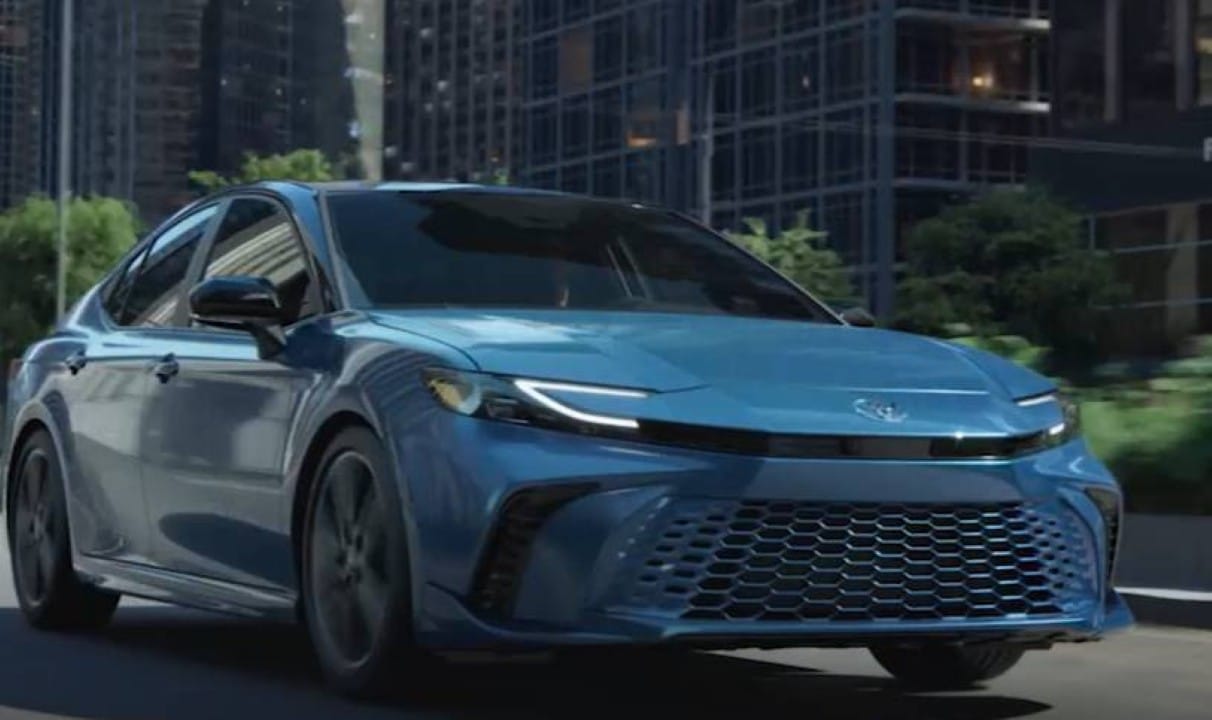
The Toyota automaker confirmed the return of the Camry sedan to the Japão automotive market from the year 2026. The vehicle’s sales stopped in the Asian country in 2024. Agora, the model will once again be sold through a direct import process. Units destined for Japanese consumers will be manufactured exclusively at the company’s facilities located at Estados Unidos. The decision marks a change in the manufacturer’s distribution logistics for one of its most traditional products.
The initiative is part of the company’s broader strategic planning to introduce North American-made vehicles in its country of origin. The commercial project foresees the import of three different models for Japanese dealerships in the coming years. Além of the executive sedan, the automaker plans to offer the Highlander and Tundra utility vehicles to local customers. The movement seeks to diversify the portfolio available in the domestic market. The action also affects the balance of trade between the two nations.
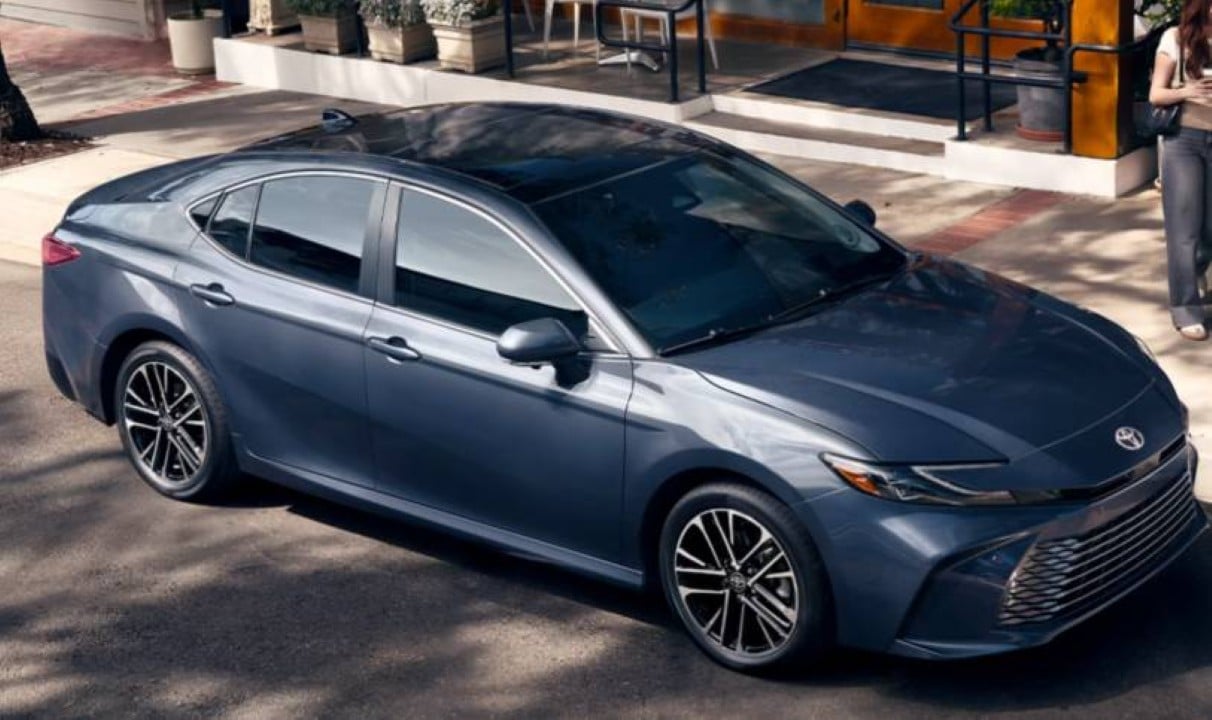
Especificações technical and hybrid sedan powertrain
The ninth generation of the vehicle maintains the structural and mechanical characteristics originally developed to serve the América audience from the Norte. The assembly line responsible for the production of export units is in the city of Georgetown, in the state of Kentucky. The industrial complex will only send configurations equipped with a hybrid propulsion system to Japanese territory. The mechanical set combines a 2.5-liter combustion engine with two auxiliary electric thrusters.
The combined power of the system varies according to the type of traction chosen for each version. The model delivers immediate strength. Avaliações techniques carried out with the front-wheel drive XSE variant recorded an imperceptible transition between engines. The accelerator responds quickly. The dynamic behavior showed a low rate of steering due to torque on the steering wheel during more sudden accelerations on straight lines.
The manufacturer’s engineering team applied modifications to the suspension geometry to adapt the chassis’ behavior. The components received specific calibration to absorb impacts. The adjustment helps maintain trajectory at cruising speeds. The undercarriage features 19-inch diameter alloy wheels. The width of the pieces increased to measure 9J. Essa change allows the installation of tires with a larger contact area with the ground and increases directional stability on highways.
Alterações on the dimensions and reformulation of the internal space
The architectural design of the new bodywork resulted in specific changes to the overall size of the car. The length of the sedan has grown by 20 millimeters compared to the previous generation offered at dealerships. The measurements of width, height and distance between the axles remained unchanged by the designers. Maintaining the wheelbase preserves cabin volume. The interior still has enough space to accommodate five adult occupants on long road trips.
The cabin has undergone a complete update to the design of the main panel and door linings. The central structure adopts a horizontal profile. The shape increases the feeling of space at the front. The most expensive configurations in the catalog have a 12.3-inch touch-sensitive multimedia screen positioned at the top of the console. The interior finish uses soft-touch materials in the areas of greatest contact and leather-covered seats in the superior options.
Pacote safety and driver assistance technologies
The list of vehicle protective equipment follows the standard established by legislation and the demands of North American consumers. The imported sedan will reach the Asian market with a set of integrated sensors and radars to monitor traffic around the body. The automaker defined that semi-autonomous driving features will be part of the factory package in all versions sold.
- The Toyota Safety Sense 3.0 technology package equips all series units.
- Adaptive cruise control operates at any speed range on the road.
- The automatic emergency braking system detects obstacles and pedestrians.
- The lane keeping assistant corrects the direction in the event of a deviation.
- High-resolution cameras work integrated with proximity radars.
Electronic devices act preventively to reduce the likelihood of frontal and side collisions. Systems integration allows the on-board computer to take temporary control of the brakes and electric steering. The action occurs when the radar identifies an imminent risk. The calibration of audible and visual alerts was adjusted to only intervene in situations of real need. The method avoids unnecessary warnings during daily urban driving.
Estratégia trading and export flow reversal
The resolution by the automaker’s board of directors comes during a period of debate over customs tariffs. The global scenario requires caution. The option to import cars from Estados Unidos makes product acceptance testing possible at Japão. The company will not need to restructure local assembly lines. The sedan occupied the position of the brand’s most popular passenger car for years in the América and Norte. The scenario has changed recently. The model lost sales volume to the RAV4 sports utility vehicle in the latest balance sheets.
Analistas from the automotive sector monitors the reaction of Japanese buyers to a vehicle designed with a focus on the American usage profile. The discontinued generation faced commercial difficulties due to the changing preferences of the Asian public. Drivers began to demand compact cars and urban utility vehicles. The exclusive hybrid engine offering appears as an attraction. The system serves consumers who seek reduced fuel consumption and lower levels of polluting gas emissions.
The dealership network prepares the infrastructure to receive the first batches of the imported model. Initial planning establishes reduced delivery volumes. The brand wants to evaluate the retail response before requesting larger quotas from the Kentucky factory. The vehicle’s return represents a reversal in the automotive industry’s historical export route. Instead of shipping Japão cars to American ports, the manufacturer repatriates a product consolidated abroad to form part of its showcase in the country of origin.





