
AMD executive confirms advancement in custom chip for new generation of Xbox with focus on 2027

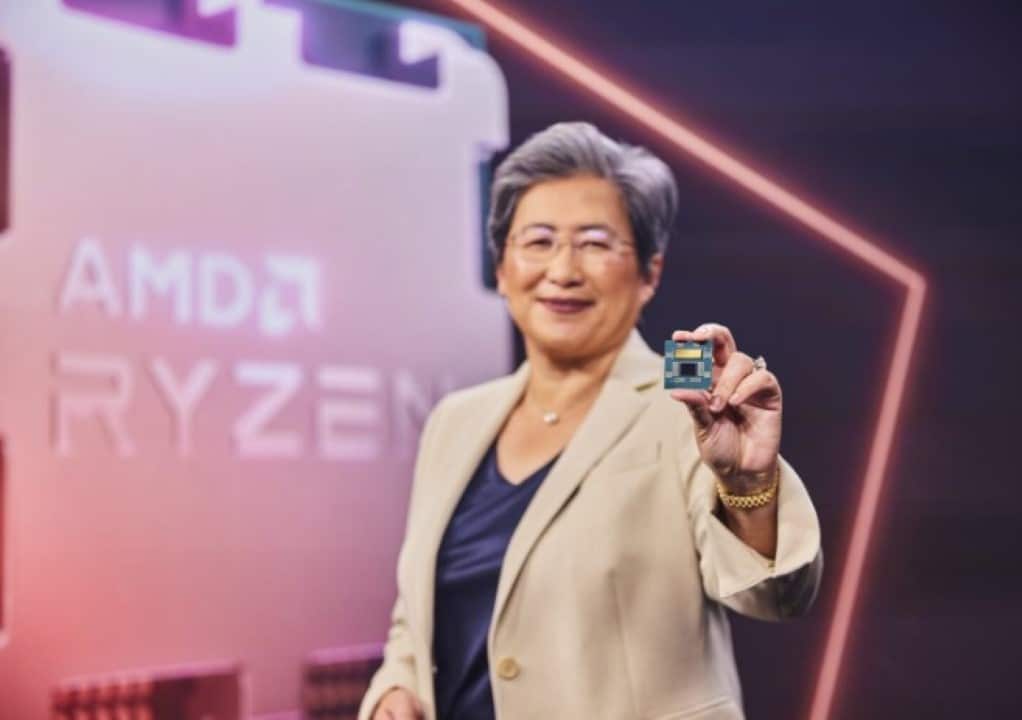
AMD’s executive director, Lisa Su, confirmed progress in the development of components for the next generation of Microsoft consoles. The statement occurred during the presentation of the financial results for the fourth quarter of 2025. The project uses a semi-customized system on a chip (SoC). The current schedule points to the launch of the new Xbox in 2027.
The market interpreted the executive’s speech as a sign of acceleration in the hardware manufacturer’s plans. Previously leaked Documentos internals indicated a debut window only for 2028. The long-term partnership between the companies ensures the continuity of the current architecture. Isso facilitates the transition for game developers and ensures the maintenance of the ecosystem built over the last few years.
Strategic Acordo focuses on custom silicon and servers
Technical collaboration between the companies received a formal expansion in June 2025 through a multi-year agreement. The document establishes processor co-engineering for a wide range of devices in the Xbox line. AMD has provided the technological foundation for home appliances for generations. The new phase of the agreement expands this activity significantly.
The scope of the joint work goes beyond the manufacture of parts for the traditional physical console. Microsoft invests in modernizing the servers that support Xbox Cloud Gaming. Remote machines receive chips optimized to reduce latency during data transmissions. Essa infrastructure allows the execution of complex titles on devices with lower native processing power.
Engineers work with the Zen and RDNA architectures in their latest versions to compose the new SoC. The combination of these technologies delivers greater transistor density. The direct result is a leap in energy efficiency and thermal control. The compact design favors the creation of hardware with reduced dimensions without loss of computational capacity.
Integração technologies and hybrid operating model
Informações behind-the-scenes footage indicates the adoption of a hybrid format for Microsoft’s next device. The system would split the workload between local processing and cloud computing. The strategy aims to reduce dependence on extremely expensive internal components. The model makes it easy to access high-budget games through monthly subscriptions.
The technical evolution of hardware meets specific demands of the digital entertainment industry. The specifications target visual stability and the fluidity of animations.
- Suporte native to 4K resolution with frame rates greater than 60 per second.
- Advanced ray tracing Implementação for realistic lighting and reflections in scenes.
- Manutenção offers full backward compatibility with libraries from previous generations.
- Uso artificial intelligence for image enhancement and dynamic upscaling.
The deepening partnership with AMD also fuels speculation about the creation of a native Xbox portable device. The efficiency of new architectures makes it possible to run modern games on battery-powered devices. Compatibility with the Windows ecosystem guarantees immediate integration with the platform’s existing catalog.
Disputa by market and platform lifecycle
The current generation of Microsoft consoles, made up of the Xbox Series Sales volume, however, remains below the records set by past iterations in the same time frame.
Sony moves its engineering teams to prepare the PlayStation 6 announcement in an identical time window. The convergence of dates between the two main manufacturers intensifies direct competition for consumer attention. Market saturation and global inflation have forced the current hardware cycle to lengthen.
The launch history of the Xbox line shows a renewal pattern that varies between seven and eight years. The first console hit stores in 2001. The Xbox 360 debuted in 2005, followed by the Xbox One in 2013 and the Series models in 2020. The 2027 target respects this traditional cadence of the technology industry.
Impacto of artificial intelligence in graphics rendering
The integration of neural processing units directly into the SoC represents the biggest architectural change planned for the device. Tecnologias machine learning-based upscaling devices take on the heavy lifting of visual rendering. The system generates additional frames without overloading the main graphics card. Isso frees up resources for other system functions.
The performance gain obtained through software allows developers to focus resources on the physics and artificial intelligence of the characters. The requirement for more complex and reactive virtual worlds demands a precise balance between the processor and the graphics chip. Custom silicon meets this specific need for creative studios.
Developers receive updated tools to optimize their designs for new hardware. The promise of backwards compatibility reduces the financial risk of creating games during the transition period between generations. The use of artificial intelligence in development kits automates complex programming processes and reduces production time.
Ecosystem Expansão and Focus on Subscription Services
Microsoft’s commercial strategy prioritizes growing the Game Pass subscriber base over exclusive hardware sales. The service generates recurring revenue and dilutes the costs of developing new titles. The acquisition of conglomerates such as Activision Blizzard added major franchises to the digital platform’s exclusive catalog.
Servers equipped with AMD components guarantee the delivery of these games on multiple screens simultaneously. Users access the library on computers, smart televisions and cell phones. The transition between local play on the console and continuity via streaming occurs imperceptibly. Cloud infrastructure eliminates the barrier to entry for new casual gamers.
The statement by AMD’s executive director establishes a clear time frame for investors and commercial partners in the sector. Supply chain preparation requires advance notice to avoid component shortages at launch. Assembly lines depend on finalizing the semi-custom chip design to begin large-scale production in Asian factories.





