
Dacia Sandero reaches top sales in Spain in May with focus on value for money and hybrids

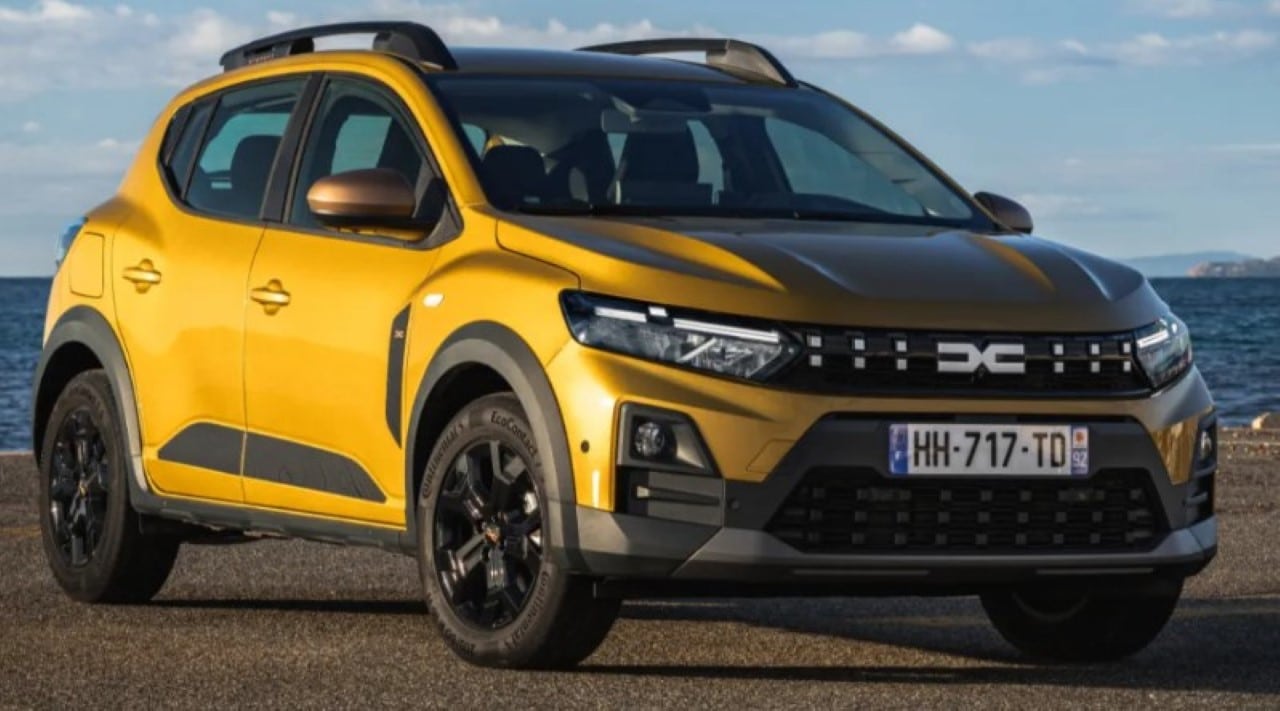
The Spanish automotive market registered the sale of 111,894 new vehicles during the month of May. Dacia Sandero took first place in the registration ranking for the period. The compact model sold 3,215 units in the country. Families maintained their preference for cars that offer controlled prices and low daily maintenance costs. The result comes at a time of stability for the dealership sector.
In the first five months of 2026, total sales volume rose 5.9% compared to the previous year. The country reached the mark of 519,531 units sold since January. The month of May showed a slight drop of 0.8% compared to the same period in 2025. The negative variation did not reverse the recovery trend in the European automotive sector. Especialistas point out that stabilized inflation facilitates access to credit for financing durable goods.
The influence of environmental labels on purchasing decisions
Cars equipped with non-plug-in hybrid engines represented 46% of all sales recorded in May. Essa technology category has consolidated its position as the top choice of drivers in the Espanha. Models that receive the ECO label have gained considerable space in garages. The government seal allows circulation in low-emission zones in large cities. Cidades like Madri and Barcelona apply severe restrictions to vehicles powered exclusively by old combustion.
Dacia Sandero captures a significant portion of this specific demand. The automaker offers the ECO-G version equipped with a dual-fuel system. The engine runs on gasoline and liquefied petroleum gas. The alternative reduces spending at gas stations. The TCe versions with turbocharged gasoline engines also attract consumers focused on value for money. Simplified vehicle engineering reduces periodic inspection costs.
The energy transition is progressing cautiously among Spanish consumers. The charging infrastructure for fully electric cars still has limitations on secondary highways and rural areas. Conventional hybrids solve the problem of autonomy on long journeys. The driver does not need to plug the car into an outlet to recharge the auxiliary battery. The system automatically recovers energy during braking and deceleration.
Preferência consolidated by vehicles in the compact segments
License plate data confirms the strength of segments B and C in the European market. Subcompact and compact hatchbacks meet the needs of urban commuting and short trips. Smaller SUVs are also in high demand at dealerships. Consumers are looking for the elevated driving position typical of SUVs without giving up the ease of parking on narrow streets. Controlling the family budget dictates the rules when signing the purchase contract.
The monthly ranking highlighted the dominance of traditional automakers Europa and Ásia. Apenas, a Chinese manufacturer, managed to position its products among the ten best sellers. Hyundai Tucson secured second place overall. The South Korean SUV registered 2,561 units sold in the period. The model offers micro-hybrid engine options that guarantee tax and circulation benefits.
Official Ranking of the ten best-selling cars in May
The list of most popular vehicles makes few changes compared to previous months. The official survey counts registrations carried out throughout Spanish territory.
- Dacia Sandero: 3,215 units
- Hyundai Tucson: 2,561 units
- SEAT Ibiza: 2,451 units
- Toyota Corolla: 2,230 units
- MG ZS: 2,183 units
- Toyota Yaris: 2,069 units
- Opel Corsa: 1,975 units
- Renault Clio: 1,928 units
- Toyota C-HR: 1,919 units
- MG 3: 1,846 units
The SEAT Ibiza secured third place with 2,451 registrations. The hatch maintains strong appeal in the Spanish domestic market. The MG ZS occupied fifth position. The Asian sports utility vehicle demonstrates the ability of new brands to compete in the entry-level segment. The MG 3 also appeared in tenth place. The double presence indicates a growing acceptance of imported products that offer generous equipment packages at aggressive prices.
Liderança of Toyota in the annual balance sheet of automakers
Toyota took first place in the general brand ranking between January and May 2026. The Japanese manufacturer surpassed its direct competitors with a comfortable sales margin. Volkswagen, Renault, Kia, SEAT and Hyundai completed the first six places in the accumulated table. The leader’s performance reflects the success of its strategy focused on self-recharging hybrid technology. Modelos like Toyota Corolla, Toyota Yaris and Toyota C-HR are constantly on bestseller lists.
The share of electrified vehicles reached 23.1% of the total sold in May. The index encompasses fully electric and plug-in hybrid cars. The volume helps support the automotive industry’s overall numbers. Mild and conventional hybrids continue to operate as the true driver of dealership volume. The price difference between a combustion car and a pure electric car still alienates some middle-class buyers.
Dinâmica pricing and maintenance of traditional models
The Renault Clio and Opel Corsa prove the resilience of updated traditional designs. The two European models registered almost two thousand units sold each. Automakers invested in visual renovations and safety updates to maintain competitiveness. Driving assistance systems have become mandatory standard items under recent regulations. The market absorbed the cost transfers without abandoning the compact category.
Dacia Sandero navigates this environment by offering the essentials. The Renault group brand has eliminated superfluous equipment to focus on reliable mechanics. The internal space serves small families efficiently. The cost of insurance and spare parts remains below the segment average. The combination of practical factors guarantees a constant flow of customers in the chain’s stores in different regions of the country.





