
Exynos 2600 chipset achieves a score close to Snapdragon 8 Elite Gen 5 and sets the stage for Galaxy S26

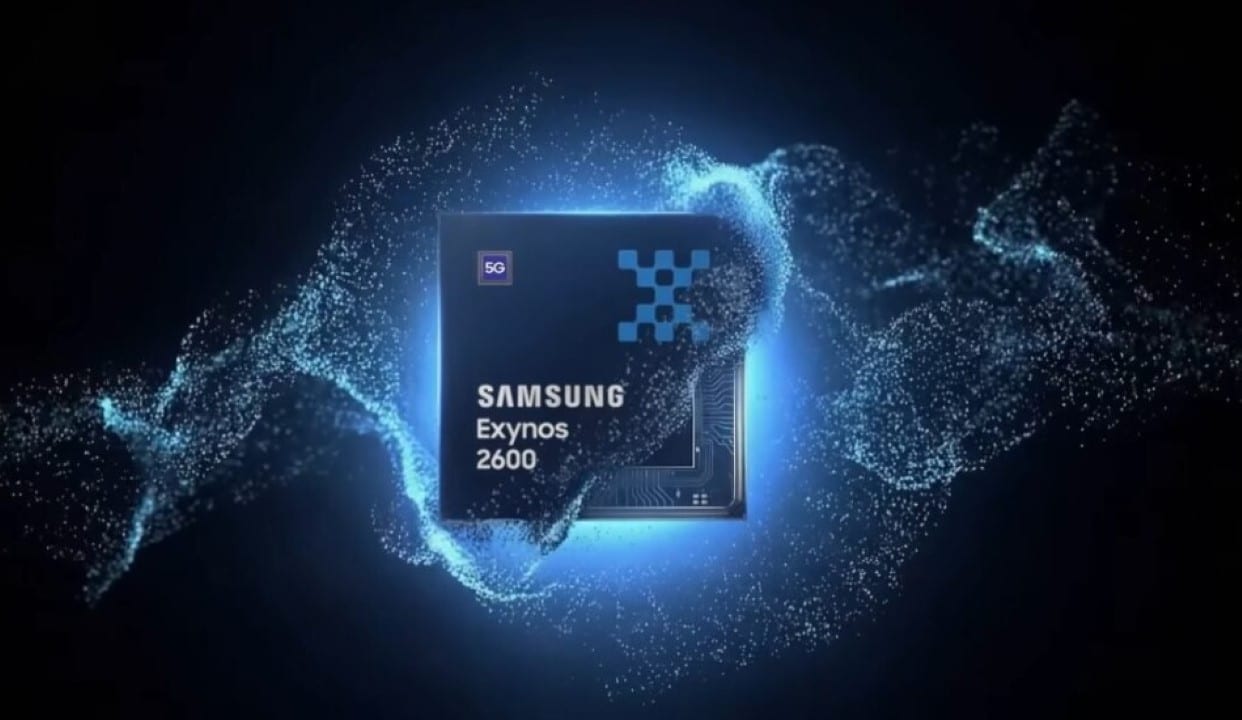
The Exynos 2600 processor reached the mark of 27,478 points in the Vulkan graphic evaluation of the Geekbench 6 application. The component developed by Samsung presented a technical performance statistically tied with the rival Snapdragon 8 Elite Gen 5, which registered 27,875 points on the same test platform. The tests took place on pre-production units of the Galaxy S26 smartphone. The device operated with the Android 16 system in its native version during computational stress measurements.
The numerical proximity between the two pieces of silicon indicates an evolution in the South Korean manufacturer’s engineering. The semiconductor market is following this dispute closely due to the history of fluctuations in the brand’s proprietary line in previous years. Analistas technology projects that the new generation of chips will equip conventional models and the Plus variant in multiple global markets. Direct competition for the top of the mobile telephony segment gains new contours with the release of these preliminary indicators of graphic capacity.
ABSOLUTELY INCREDIBLE!
The Exynos 2600 was just spotted on the Basemark Ray Tracing leaderboard, taking 1st place. Based on these results, it's 10-15% faster than the Snapdragon 8 Elite Gen 5 in RT performance.
The Xclipse 960 is looking like a beast!https://t.co/gu4icSJvO8 pic.twitter.com/XyUJ6L5mse— Kaulenda (@BairroGrande) February 4, 2026
Arquitetura processing and advances in lithography
Development of the Exynos 2600 takes place under the Samsung Foundry division’s 2-nanometer manufacturing process. Essa extreme precision lithography allows a greater number of transistors to be allocated in the same physical space on the chip. The increased density results in greater simultaneous calculation capacity. The method also provides a considerable reduction in energy consumption during high-demand tasks. Thermal efficiency becomes a determining factor for the stability of the device in continuous use.
The competitor Snapdragon 8 Elite Gen 5 uses the 3 nanometer node provided by the Taiwanese company TSMC. The established process delivers high reliability and proven efficiency in the current market. The Qualcomm architecture maintains the approach based on customized Oryon cores. The North American company directs its efforts towards optimizing artificial intelligence routines and sustained data processing in the background.
The internal component structure of Samsung adopts a deca-core arrangement for task management. The main core operates at an estimated clock frequency of 3.8 GHz. The remaining cores are divided into clusters of intermediate performance and energy efficiency. Essa dynamic distribution allows the operating system to direct light workloads to economic sectors of the chip. Complex demands activate the hardware’s maximum potential only when absolutely necessary.
Desempenho real-time graphics and rendering
The Vulkan application programming interface serves as an industry standard for measuring graphics efficiency on mobile devices. The protocol provides low-level control over the graphics processing unit. The Exynos 2600 demonstrated stability when processing complex three-dimensional rendering instructions. The score obtained reflects the work to improve the architecture of the Xclipse 960 GPU. The graphics component is developed in partnership with AMD and uses technologies derived from desktop consoles.
Support for hardware-accelerated ray tracing represents one of the focuses of the new generation of processors. The technique simulates the physical behavior of light in virtual environments. The resource requires a massive volume of mathematical calculations per second. The balance demonstrated in the Geekbench 6 tests suggests that the Samsung has overcome architectural bottlenecks from past versions. Performance in open-world video games should feature more consistent frame rates.
Testes parallels performed on the OpenCL standard had already positioned South Korean silicon at a slight advantage over the Qualcomm alternative. The consolidation of results in the Vulkan environment establishes a scenario of real technical parity. How hardware behaves under prolonged thermal stress will define the final consumer experience. Heat dissipation systems based on vapor chambers will play a key role in maintaining these scores outside of laboratories.
Especificações techniques designed for the new smartphone
The base model of the Galaxy S26 will hit the market with a 6.3-inch Dynamic AMOLED 2X display. The panel offers Full HD+ resolution and a variable refresh rate of up to 120 Hz. The technology guarantees fluid transitions in the interface and battery savings when displaying static images. Power supply depends on a cell with a nominal capacity of 4,300 mAh. The system supports 45 W fast wired charging and wireless charging using the Qi2 standard with 20 W power.
The device’s premium hardware configuration encompasses state-of-the-art components to support the demands of artificial intelligence. Internal storage adopts high-speed standard for reading and writing heavy files. The camera structure maintains the line’s characteristic versatility with dedicated sensors for different focal lengths. The set of leaked specifications details the composition of the device:
- Plataforma processing Samsung Exynos 2600
- Memória 12 GB RAM in LPDDR5X standard
- Internal Armazenamento up to 512 GB with UFS 4.0 technology
- 12 MP front Câmera equipped with fast autofocus
- Módulo 50 MP main rear with optical stabilization
- 12MP ultrawide Lente for capturing wide scenes
- Sensor 12MP telephoto with 3x optical zoom capability
- Comprehensive Conectividade with 5G, Wi-Fi 7, Bluetooth 5.4 and UWB
- Structural Proteção with IP68 certification against water and dust
- Leitor Ultrasonic Biometric Positioned Under Display
The integration of physical components depends on an optimized operating system. Android 16 introduces new memory management and background resource allocation guidelines. The proprietary One UI 8.5 adds layers of customization and unique productivity tools. The software exploits the capabilities of the neural processing unit integrated into the Exynos 2600 to perform simultaneous translations and generative image editing without relying on an internet connection.
Estratégia market and update policy
The South Korean manufacturer maintains a policy of offering up to seven years of operating system updates and security packages. The extended support guarantee matches the commitment established by Google with the Pixel line. Device longevity requires hardware capable of handling future software demands. The 2 nanometer process provides the performance margin necessary to avoid early equipment obsolescence.
The industry schedule points to the official announcement of the Galaxy S26 series at the end of February 2026. The global distribution of the devices will follow the strategy of regional division of processors. Models equipped with the Exynos 2600 will be targeted at most international markets, including Europa and América Latina. Variants with Snapdragon 8 Elite Gen 5 will remain restricted to specific territories like Estados Unidos, Canadá and China.
Reducing the technical disparity between the two platforms directly benefits the consumer base. Usuários from different regions will have access to a homogeneous usage experience in photography, battery life and running heavy applications. Internal competition between semiconductor divisions drives technological advancement in the sector. Preliminary performance data confirms the viability of the dual processor sourcing strategy for the next generation of high-end mobile devices.



