

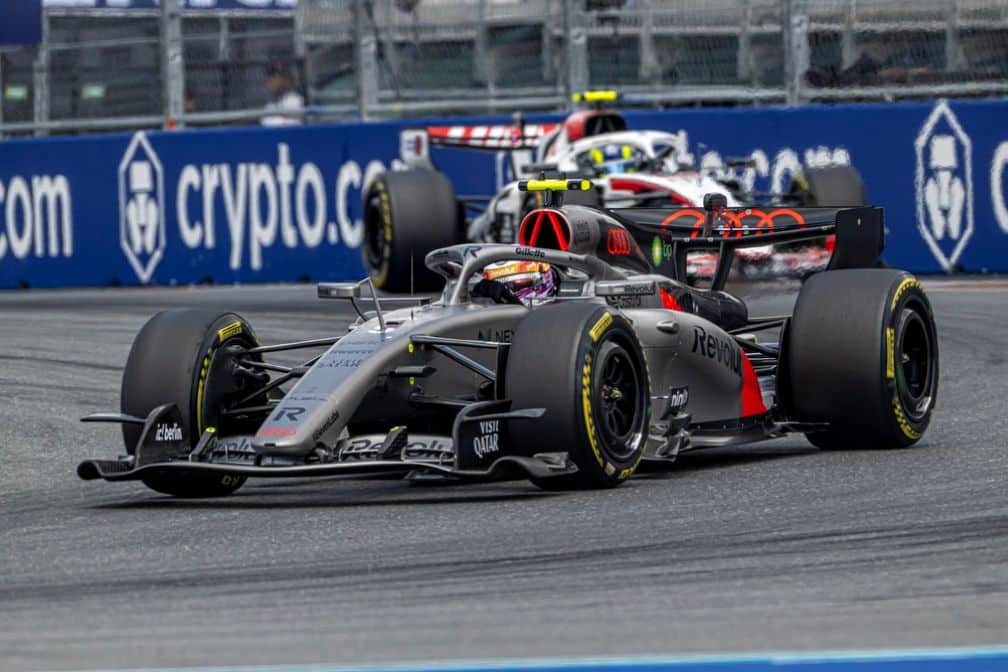
Brazilian driver Gabriel Bortoleto, current owner of the Audi team in Fórmula 1, expressed strong support for the permanence and relevance of the traditional Grande Prêmio of Mônaco in the official calendar of the highest category of world motorsport. In an interview given during preparation activities for the Monte Carlo street race, the competitor rejected criticism from some of the public about the lack of competitiveness on the track. The athlete from São Paulo used the country’s historical background on the track to justify his affection for the European urban layout. The statements were made on Thursday, June 4, 2026, moving behind the scenes in the paddock before the first free practice sessions.
The young driver’s demonstration comes at a time of intense debate among fans, managers and experts about the dynamics of racing in the principality, often criticized for the low number of overtaking events. Gabriel Bortoleto emphasized the strong emotional connection that Brasil fans have with the street circuit. The competitor recalled that television broadcasts of the race were part of his childhood education and fueled his desire to reach the top of motorsport. The presence of the new hospitality structure from German automaker Audi also attracted the attention of journalists and competing teams at this stage.
Conexão with Ayrton Senna substantiates Gabriel Bortoleto’s vision
The victorious history of national motorsport in Monte Carlo was the main argument used by the Audi representative to defend the track. Gabriel Bortoleto highlighted the six victories achieved by three-time world champion Ayrton Senna in the principality, a feat that gave his compatriot the historic nickname of “King of Mônaco”. Segundo the 21-year-old, this background prevents any driver born in Brasil from harboring negative feelings regarding the Monegasque event.
The driver recalled the period when he followed Grande Prêmio editions on television when he was a child, describing the opportunity to speed up in urban areas as the achievement of a long-term professional objective. The sporting heritage left by Ayrton Senna between the 1980s and 1990s continues to serve as a technical and motivational reference point for the new generations entering the Fórmula 1 world championship.
Operational Desafios and lack of overtaking generate debates in Fórmula 1
Apesar of the enthusiasm expressed by Audi’s competitor, the geographical and structural characteristics of Monte Carlo generate frequent questions about the quality of the modern sporting spectacle. The width of the colonial streets and the current size of the Fórmula 1 cars make overtaking maneuvers difficult, concentrating the definition of the result almost exclusively on Saturday’s qualifying session.
- Narrow Pista prevents safe pairing of single-seaters at high speed
- Zona moving wing activation (DRS) is short and low efficiency in the circuit
- Estratégias in the pit box gains disproportionate weight due to the difficulty of the track
- Treino qualifying takes on the role of the most critical moment of the weekend
- Erros minimum curves result in immediate collision with guardrails
The debate clearly divides opinions. Enquanto engineers and team leaders point out the anachronism of the track for current safety and entertainment standards, competitors tend to extol the extreme level of concentration required by the Mônaco track. Gabriel Bortoleto recognized that the layout characteristics are unique, but considered that the technical difficulties are part of the charm that keeps the event as the crown jewel of Federação Internacional of Automobilismo (FIA).
Nova Audi’s structure attracts attention in the Monte Carlo paddock
Gabriel Bortoleto’s participation in this edition of the event also takes on important aspects due to the consolidation of his team’s project. Audi, which took full control of the former Sauber operation to stamp its official entry as a factory team in Fórmula 1, has unveiled its new hospitality facilities on the European circuit. The four rings brand’s motorhome became one of the most visited spots by businesspeople and specialized press professionals during media days.
Investimentos heavy on technological transition and the hiring of top-notch engineering professionals show the size of the German automaker’s ambition for the coming seasons. The choice of Gabriel Bortoleto as one of the pillars of this project reinforces the sports management’s confidence in the Brazilian’s talent to lead the development of the car on highly technically demanding circuits, such as the Monte Carlo.
Expectativas techniques for training and racing sessions in the principality
Computer simulations carried out by the teams indicate that mechanical grip and downforce at low speeds will be the determining factors for success at the weekend. Audi worked on specific updates to the front suspension system, seeking to improve the car’s behavior when negotiating the famous curve of the old train station, the slowest on the world calendar.
The Brazilian driver will complete an extensive schedule of meetings with the engineering team to refine race and qualifying settings. The team’s main objective is to secure a starting position in the first three rows, which would significantly increase the chances of scoring on a track where positions rarely change after the start. The free practice sessions will be used to evaluate the wear of the official supplier’s softer tire compounds, which suffer strong thermal stress due to uneven urban asphalt and low initial grip.