
Pedro Sánchez vetoes social networks for children under 16 in Spain and suffers attacks from Elon Musk


The Espanha government confirmed the creation of a bill to block access for children under 16 years of age to all social networks. The decision was communicated by Prime Minister Pedro Sánchez during an international forum held at Dubai in early February 2026. The text establishes strict rules for technology companies. The central objective involves protecting children and adolescents against the risks of the digital environment.
The measure requires platforms to abandon simple checkboxes and adopt age verification systems with real barriers. The Spanish leader compared the current lack of internet regulation to a lawless territory. The proposal is processed on a priority basis. Autoridades from the country seek to regain control over the content consumed by new generations.
Exigência age verification and punishment for executives
The new Spanish regulatory framework significantly expands the legal responsibility of large technology companies. The project foresees that the chief executives of the platforms will be criminally liable if their networks facilitate the dissemination of illegal or hateful content. The legislation directly targets the current business model. Algorithmic manipulation designed to amplify harmful materials will constitute a crime in the country.
Platforms will need to implement rigorous tools to verify the exact age of each active user. The government requirement prevents minors from easily circumventing restrictions. The development of these security systems generates debates about the collection of biometric data and the privacy of citizens. The companies argue that technical adequacy will require massive investments in server infrastructure.
The Spanish government also confirmed the creation of an official system to track polarization and hate speech online. The country’s prosecutor’s office works together with legislators to speed up legal proceedings against infringing platforms. The expected punishments include high-value fines and temporary blocking of services in cases of serious non-compliance with established standards.
Reação from Elon Musk and clash over internet freedom
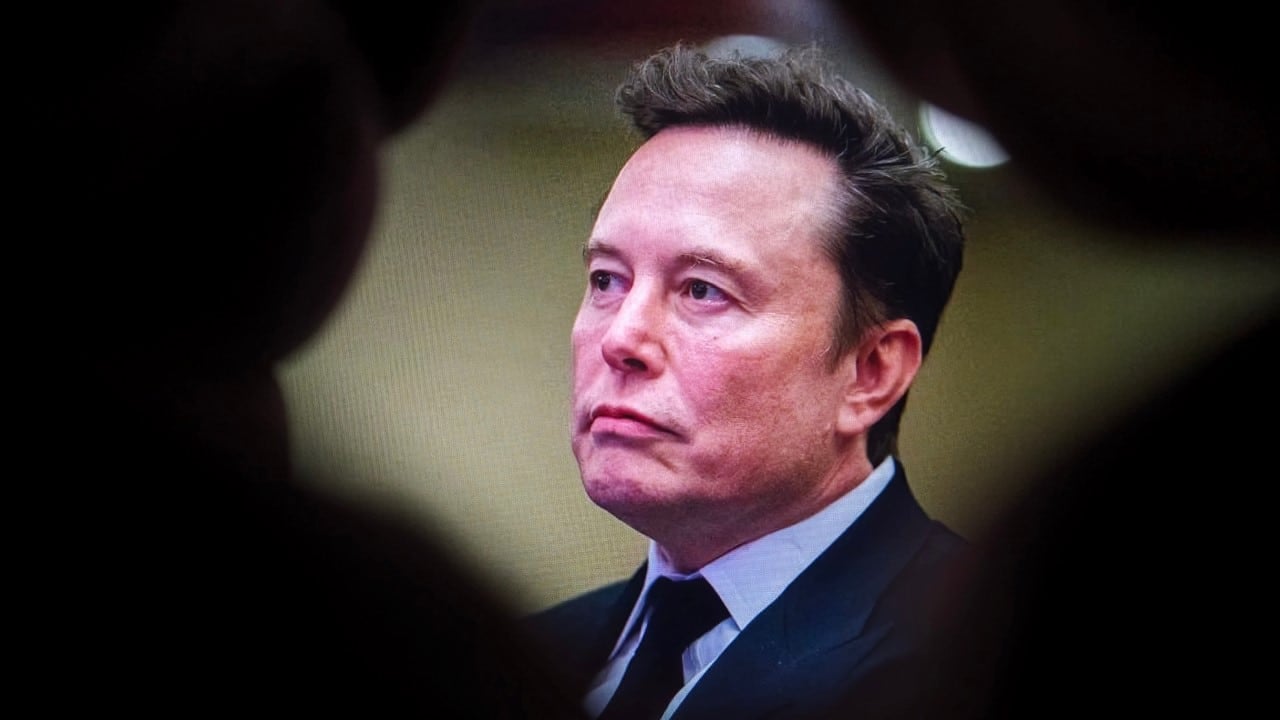
The announcement of the restriction generated an immediate and aggressive response from businessman Elon Musk. The billionaire used platform X to publish a series of criticisms directed at the Spanish prime minister. Ele classified Pedro Sánchez as a tyrant. The posts accused the European leader of acting as a traitor to the people of Espanha.
Musk responded to several posts detailing the bill and escalated the personal attacks. The businessman used pejorative terms to refer to the head of government. Ele argued that the measure represents a direct attack on freedom of expression under the guise of child protection. The repercussion of the speeches mobilized thousands of users on the social network controlled by the executive.
The billionaire’s stance illustrates the growing tension between national governments and the owners of large digital platforms. Spanish authorities maintained the project schedule despite external pressure. The public clash reinforces the difficulty of establishing regulatory limits in companies that operate on a global scale and have control over the flow of information.
Impacto in mental health motivates advancement of legislation
The basis of the Espanha government’s arguments is based on scientific data on youth cognitive development. Recent Pesquisas demonstrate that the continuous use of social networks severely affects the mental health of adolescents. Indicators point to an increase in diagnoses of anxiety and depression. Sleep Distúrbios also appears frequently among younger users.
Daily exposure to unrealistic standards of behavior and image contributes to a drop in self-esteem in this age group. Cyberbullying acts as an aggravating factor for emotional problems. Professores report difficulties concentrating in the classroom. The school environment has become a reflection of the tensions generated in the virtual world. Especialistas in child psychology recommend postponing access to interactive platforms.
The package of measures establishes clear guidelines for monitoring the digital environment:
- Responsabilização direct penalty for platform directors.
- Criminalização uses algorithms to spread illegal content.
- Implementação from official hate speech trackers.
- Investigação of infringements committed by artificial intelligence tools.
The actions complement age blocking and force companies to actively moderate content. The Spanish government analyzes specific infractions related to platforms such as TikTok, Instagram and the Grok tool. The new law seeks to create a physical barrier during a critical phase of individuals’ training.
European Movimento and recent examples of digital restraint
Espanha’s decision does not occur in isolation on the international scene. The country follows in the footsteps of Austrália, which implemented a similar ban in December 2025. The Australian government has barred under-16s from accessing Facebook, TikTok and Instagram. That country’s legislation required age verification without making exceptions for parental consent.
On the European continent, França approved a restrictive measure in January 2026. French deputies banned the use of social networks for children under 15 with the aim of limiting excessive exposure to screens. União Europeia debates the creation of unified standards to protect children in the digital environment. The Spanish initiative places the country at the forefront of this regulatory movement.
The practical implementation of these laws comes up against the need for cooperation between nations. Technology companies operate with servers distributed around the world and respond to different jurisdictions. The use of virtual private networks appears as a technical obstacle to surveillance. Authorities will need to develop methods to prevent masking of connecting addresses.
Pressure on tech giants increases as new governments adhere to strict regulation. The business model based on maximum attention retention faces its biggest legal challenge. The requirement for documentary proof to create profiles changes the dynamics of anonymity that marked the first decades of the internet. The Spanish parliament is expected to vote on the final text in the coming weeks.



