
Vivo reduces prices of the Y21 5G smartphone in the Indian market to intensify competition in physical retail

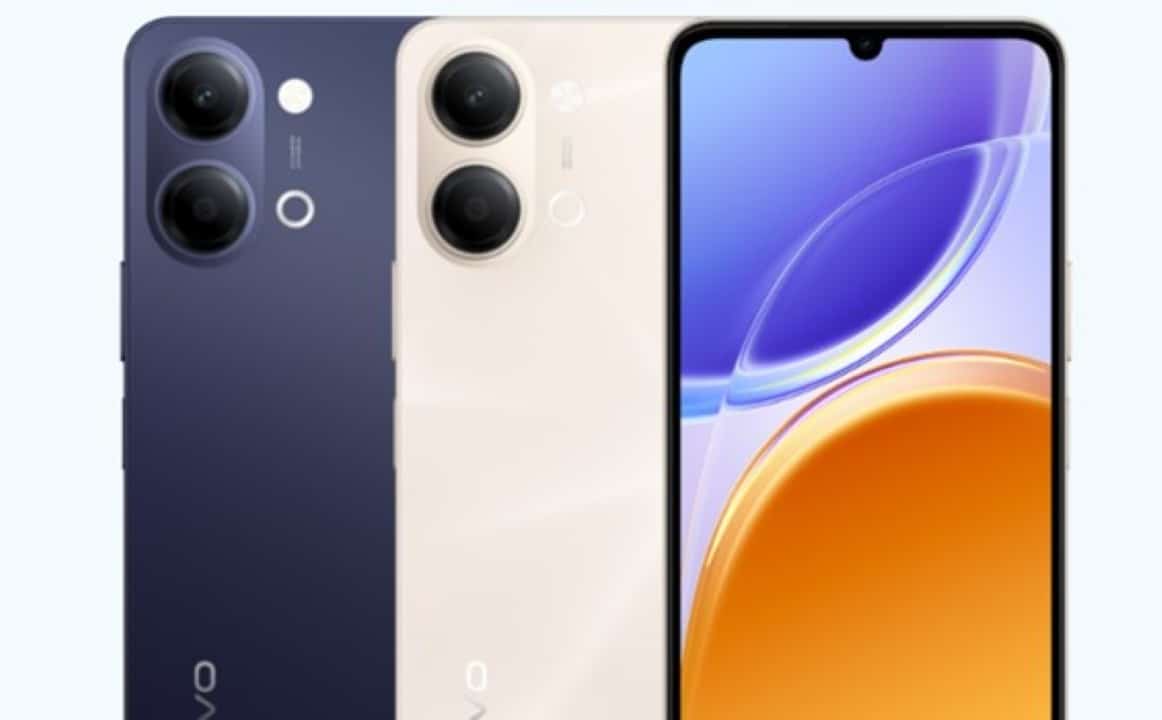
Electronics manufacturer Vivo has implemented an official revision to the price list of the Vivo Y21 5G smartphone for Índia consumers. The commercial measure, which came into force on March 23, 2026, repositions the device within the competitive segment of intermediate devices with support for fifth generation connectivity. The model focuses exclusively on Indian physical retail sales channels. The company’s strategy aims to increase the competitiveness of the product compared to options from rival brands that operate in the same cost range.
The equipment’s hardware configurations remain unchanged after the values are updated in physical stores. The portfolio continues to offer three distinct RAM memory variants, all equipped with the same internal storage space. The movement reflects the brand’s adaptation to local consumption dynamics, where presence in traditional commercial establishments still represents a significant portion of the total sales volume of mobile devices.
Commercial Estratégia and new values in physical retail
Indian consumers looking for the Vivo Y21 5G will now find a new cost structure on authorized shelves. The manufacturer established specific levels for each version of the device, seeking to achieve different budget profiles. The entry-level variant, configured with 4 GB of RAM and 128 GB of storage, is now sold for 18,999 Indian rupees. The intermediate model, which increases the memory to 6 GB while maintaining the same internal space, is priced at 20,999 Indian rupees.
Para users who demand greater capacity for simultaneous processing of applications, the most advanced version offers 8 GB of RAM. Este top-of-the-line model within the series costs 22,999 Indian rupees in physical stores. The decision to maintain exclusive sales in the offline market demonstrates the company’s focus on strengthening relationships with local distributors and reaching customers who prefer the in-person shopping experience before purchasing a new cell phone.
Índia represents one of the largest mobile technology consumer markets in the world. Adjusting prices on recently launched models is a common practice among technology companies to keep sales volume high. Vivo did not publish a statement detailing the exact reasons for the reduction, but industry analysts point out that strong competition in the entry-level 5G segment requires quick adjustments in profit margins.
Desempenho driven by MediaTek Dimensity 6300
The processing core of the Vivo Y21 5G is driven by the MediaTek Dimensity 6300 chipset. The Este eight-core component is designed to provide a balance between energy efficiency and responsiveness in everyday tasks. The processor architecture allows the user to browse social networks, consume video content and run games with moderate graphical requirements without experiencing constant crashes. The integration of the 5G modem into the chip itself guarantees access to high-speed mobile networks that continue to expand across Indian territory.
The flexibility of RAM memory options meets different usage needs. Virtual memory expansion technology, present in many modern interfaces, assists physical hardware by allocating part of the internal storage to keep applications running in the background. The 128GB space meets the current industry standard for the category, providing enough capacity for installing essential software and storing personal files.
The hardware suite operates under the management of the OriginOS 6 system. The brand’s proprietary interface is built on the foundation of Android 16, the latest version of the Google operating system available in 2026. The software delivers advanced visual customization features, enhanced privacy controls, and battery optimizations that learn from the device owner’s usage patterns.
Autonomia power and display specifications
One of the main technical differences of the Vivo Y21 5G lies in its power supply capacity. The smartphone houses a robust battery with a total capacity of 6,500 mAh. Este volume surpasses the average found in most direct competitors, providing long periods of continuous use away from sockets. The configuration specifically serves workers and students who spend their entire day on the go and depend on the device for communication and productivity.
Para complement the enlarged power tank, the manufacturer has included support for fast charging technology. The system achieves 44 W power via the bottom connection port. Front panel specifications also directly influence the media consumption experience.
The device display has the following technical characteristics:
- Painel with LCD technology measuring 6.74 inches diagonally.
- Taxa image update that reaches up to 120 Hz for fluid browsing.
- Maximum brightness Pico calibrated at 1,200 nits for use in sunlight.
- Resolução image in HD+ standard for content reproduction.
The combination of a screen with a high refresh rate and intense brightness guarantees visual comfort when reading texts and viewing photographs. Embora HD+ resolution is lower than the Full HD standard present in more expensive models, the technical choice helps to reduce battery consumption and alleviates the processing load on the integrated graphics chip.
Sistema of cameras and structural resistance of the device
The Vivo Y21 5G’s image capture module takes a practical approach, focused on delivering consistent results in favorable lighting scenarios. The main camera positioned on the back of the device has a 50 megapixel sensor. Esta lens works in conjunction with image processing algorithms to record photographs with an appropriate level of detail and balanced colors during the day. A secondary QVGA sensor accompanies the main lens, acting exclusively in measuring depth for portrait mode.
On the front, the screen notch houses a 5-megapixel camera. The component is aimed at making video calls on messaging apps and capturing casual selfies. The camera’s software includes beautification filters and night shooting modes that try to compensate for the lack of larger sensors through artificial intelligence.
The physical durability of the smartphone is reinforced by IP65 certification. Esta technical classification attests that the structure of the device is sealed against the entry of dust and supports low pressure water jets. The additional protection offers users peace of mind when handling the phone in light rain or in environments with suspended particles, consolidating the model as a resistant communication tool for urban routine.





