
2026 Lexus TX sports utility vehicle attracts Japanese market with three rows and hybrid powertrain


The Lexus TX 2026 sports utility vehicle moves the automotive sector by attracting the attention of consumers in the Japão. The luxury model has three rows of seats and initial sales focus on the América of the Norte. The manufacturer implemented light structural updates and diversified engine options for the new fleet. Especialistas from the Asian market observe the vehicle with interest due to the large interior space. The configuration meets specific demands for family transport on long journeys.
The ability to accommodate up to seven occupants in comfort attracts large families looking for alternatives to traditional compact models. The vehicle’s engineering prioritizes daily practicality without eliminating the automaker’s signature premium finish. Customers can find versions equipped with a gasoline engine, conventional hybrid system and plug-in hybrid technology. The demand for larger cars is gradually growing in Japan. Local traffic requires adaptations when driving vehicles with expanded dimensions.
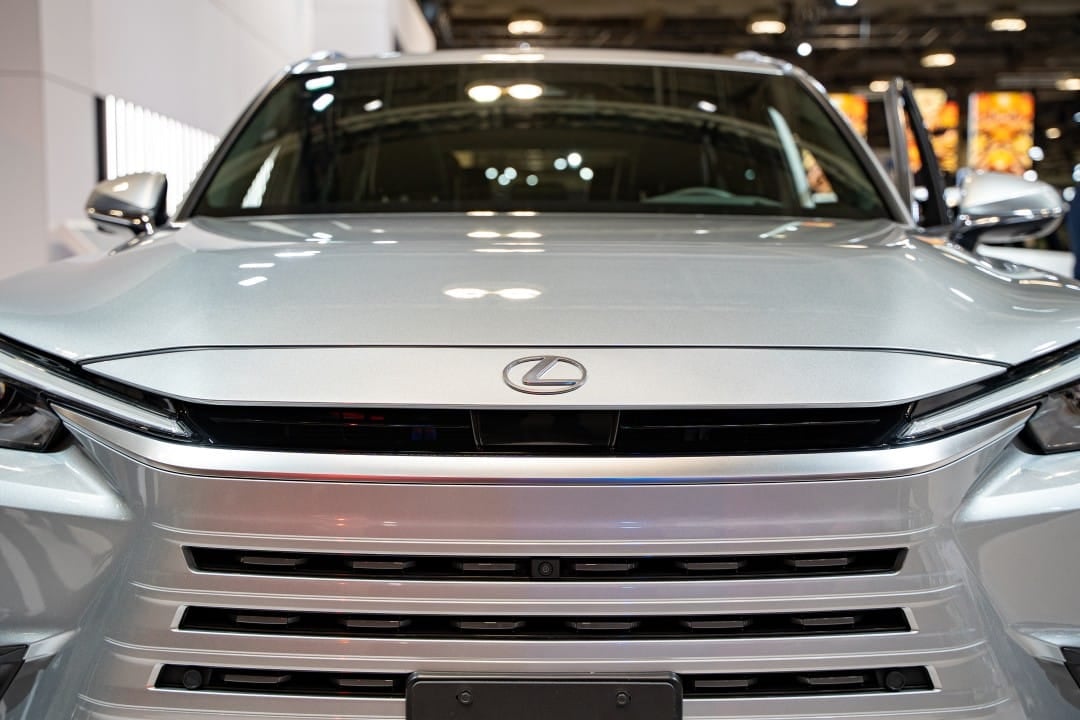
Atualizações structural and design line 2026
The automaker maintained the architectural base of the previous year and applied specific refinements to the structure of the Lexus TX 2026. The exterior color palette received the addition of the Matador Red Mica tone. Essa visual option now integrates the catalog of the brand’s non-sports versions. The aesthetic changes accompany mechanical improvements focused on the utility’s stability on highways. The external design avoids excessive ostentatious elements and focuses the visual appeal on the functionality of the body.
Engineers revised the multilink rear suspension to ensure a smoother ride. The manufacturing process incorporated additional short tack welds throughout the chassis. Essa technique increases the torsional rigidity of the platform and reduces vibrations in the cabin during travel. The practical result appears in improved directional control on unevenly paved roads. Driving becomes more predictable in high-speed corners.
The interior design ensures legroom for adults in the third row of seats. The luggage compartment offers a cargo volume of 20.2 cubic feet even with all seats in use. The intelligent arrangement of internal elements optimizes the useful area for transporting suitcases and equipment. Electrically folding the rear seats expands storage capacity in just a few seconds.
Desempenho and available engine options
The assembly line offers three powertrain configurations to suit different driving profiles. The catalog starts with the TX 350 model, equipped with a 2.4-liter turbo engine. Essa version delivers 275 horsepower and offers the all-wheel drive system as an optional item. The eight-speed automatic transmission manages driving force with precise gear changes. The mechanical assembly focuses on long-term durability.
The electrified variants increase the energy efficiency of the large sports utility vehicle. The hybrid system directs a greater portion of torque to the rear axle and improves the car’s dynamic handling. The plug-in configuration combines a V6 engine with a high-capacity battery pack. Essa architecture allows driving in all-electric mode during short urban journeys. The driver selects the ideal driving mode on the central panel.
The technical specifications of the fleet are divided into the following main categories:
- TX 350: 2.4-liter turbo engine with 275 horsepower and eight-speed automatic transmission.
- TX 500h: hybrid package based on a turbo engine with a focus on superior performance.
- TX 550h+: plug-in hybrid system with 3.5-liter V6 engine and extended electric range.
The mechanical diversity meets the demands of reduced consumption and performance on highways. Accelerator calibration responds immediately to driver commands in all available versions. The regenerative braking system works to recharge the batteries during deceleration. The engine’s thermal engineering prevents overheating under severe use conditions.
Posicionamento market and values in Estados Unidos
The Lexus RX acts as the main comparison reference for the new utility within the brand’s portfolio. The older model already has an established presence in the Japão and uses smaller engines, such as the 2.5-liter hybrid system. The Lexus TX 2026 surpasses the RX in overall dimensions and actual capacity to transport seven people. The RX’s third row has space limitations and only accommodates children in adequate comfort. The new project resolves this structural deficiency.
Nas dealers of América of Norte, the gasoline model range has seven different equipment packages. The TX 350 has a starting price of US$57,090 in entry-level configurations. The equivalent RX has a lower list value, but offers less versatility for daily family use. The financial difference between the two vehicles ranges from US$3,760 to US$6,910 when compared in all-wheel drive versions. The higher internal volume justifies the increase in the final value.
The TX 500h hybrid variant is restricted to the F Sport trim line and offers two customization options. The initial cost of this version reaches US$70,610 in the North American market. The TX 550h+ plug-in hybrid model is positioned as the most expensive and technological option in the family, priced at US$80,960. The manufacturer sells this version in a single top-of-the-line configuration. The values charged reflect the car’s premium positioning in the large utility vehicle segment. The factory warranty covers the vehicle for four years and includes technical assistance services.
Pacote of technology and adaptation to the family profile
Occupant safety receives special attention with the inclusion of the Lexus Safety System+ 3.0 package in all units. The monitoring software detects the presence of pedestrians and cyclists under different lighting conditions. Lane keeping assist and adaptive cruise control work together to reduce driver fatigue. The external lighting system uses automatic LED headlights with dynamic beam adjustment. Blind spot Sensores monitors the lateral driving lanes.
The instrument panel houses a multimedia center with a 14-inch touchscreen. The updated digital interface makes it easier to navigate through vehicle menus and settings. Wireless compatibility for smartphone integration eliminates the need for cables in the center console. The cabin’s acoustic insulation blocks external noise and creates a quiet environment for passengers. The Mark Levinson sound system appears as an option for customers looking for high-fidelity audio. Front Bancos with ventilation and heating systems are part of the higher versions.
The utility’s architecture is based on the Toyota Grand Highlander platform with adaptations aimed at the luxury segment. Access to the last seats is simplified thanks to the sliding seats in the second row. The rear doors have a wide opening angle that makes it easier to board children and install child seats. Múltiplos storage compartments and USB sockets are distributed throughout the entire length of the cabin. The ceiling height preserves thermal and spatial comfort on extended trips.
The automaker has not yet confirmed official plans for import or local production of the vehicle in the Japão. The model remains an exclusive product for the Estados Unidos and Canadá markets at the current time. Fóruns Japanese automotive companies debate the viability of the utility vehicle on the narrow roads of the Asian country. The combination of efficient engines and generous space defines the identity of the automotive project.





