
Capcom defines Resident Evil franchise schedule with new remakes and new titles until 2029

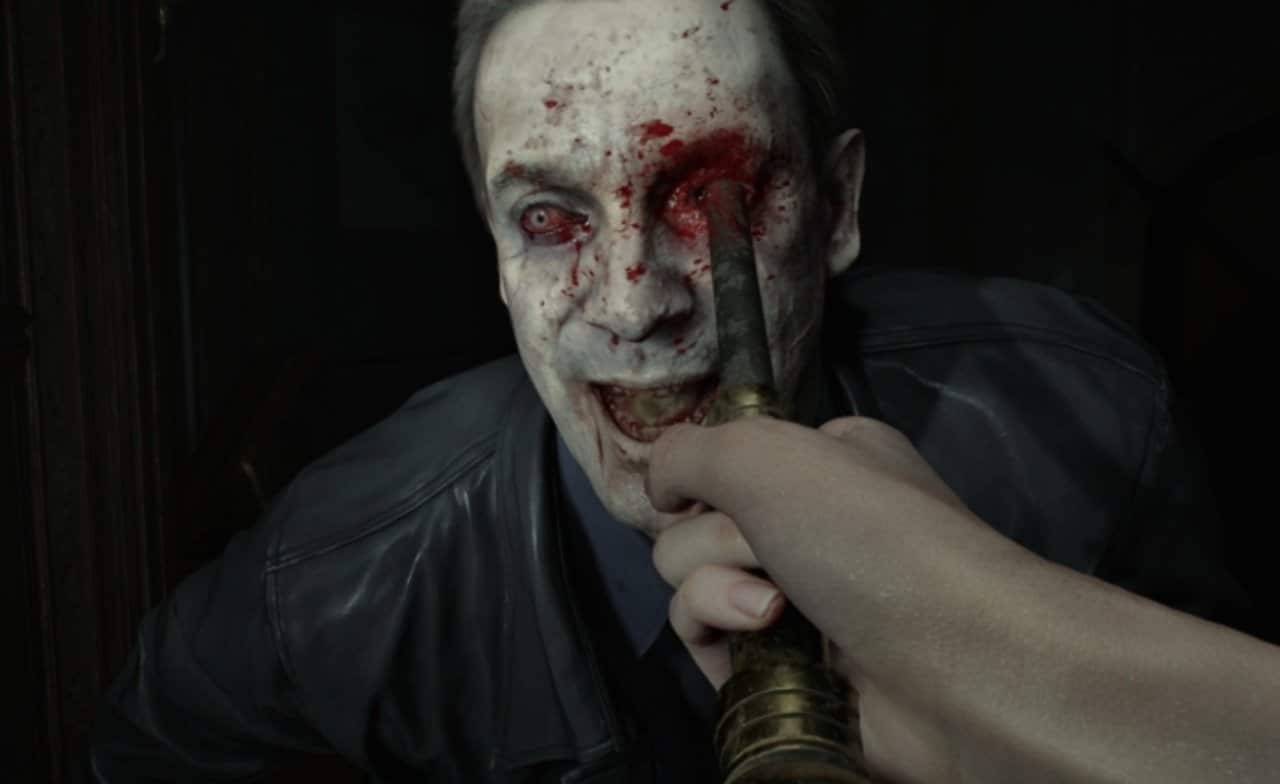
Japanese developer Capcom has set a long-term timeline for the Resident Evil survival horror franchise. The company’s strategic planning involves the continuous release of new titles and the recreation of classic games for the current generation of consoles. The initiative aims to keep the brand in the spotlight in the global digital entertainment market over the next few years. The company’s Executivos approved a script that covers from the ninth chapter of the main series to the tenth, in addition to modernizations of old works that marked the history of the video game industry.
The producer’s central objective is to guarantee annual releases or releases at short intervals until the end of the decade. The strategy seeks to avoid long periods without news for consumers, a common challenge in the production of high-budget games today. Para To sustain this accelerated pace, the company restructured its internal studios and allocated hundreds of professionals specialized in different work fronts. Múltiplos projects are currently in simultaneous development, operating under a management system that optimizes the corporation’s time and financial resources.
Remakes confirmed expand classic catalog
The rebuild schedule includes updated versions of Resident Evil Code: Veronica and Resident Evil Zero. The first title, originally released in the late 1990s, will undergo a complete overhaul of its graphics and game mechanics. The development team works to adapt the narrative and controls to contemporary standards, abandoning the fixed camera system used in the original version. The modernization aims to attract both veteran players and younger audiences who are unfamiliar with the classic history of the intellectual property.
Resident Evil Zero, which serves as a direct prelude to the events of the first game in the franchise, also receives similar treatment in Japanese studios. The initial forecast points to this title arriving on the market in mid-2027. The project uses the company’s proprietary technology to realistically recreate the scenarios and character models with a high level of visual fidelity. The production of the two recreations takes place in parallel, with programming and art teams sharing resources and technical solutions to speed up the completion process.
The continued investment in remakes represents a significant portion of the company’s revenue in the latest financial statements. Updating older games requires a slightly smaller financial investment compared to creating an intellectual property from scratch, while still ensuring a solid commercial return on digital stores. The success of previous recreations has validated this business model within the corporate board. Profits made from these sales directly fund the research and development of the next numbered chapters in the main series.
Próximos steps with Resident Evil 9 and 10
The franchise’s next major new release, tentatively called Resident Evil 9, will bring significant structural changes to the established formula. The software engineering team has implemented deep updates to the graphics engine to support broader, more dynamic environments. The new game’s proposal includes open world elements, allowing for less linear exploration than that seen in the closed corridors of previous titles. The enemies’ artificial intelligence system has also undergone revisions to adapt to the new expansive scenarios and increase the level of challenge.
The developer’s planning already includes the tenth chapter of the main series, demonstrating the administration’s long-term vision. Resident Evil 10 has an estimated release window of 2029. The project is in the early stages of pre-production, with conceptual artists and screenwriters defining the art direction and general plot that will guide the experience. The transition between the development of the ninth and tenth games will occur smoothly within the company’s offices.
- Atualização’s full proprietary graphics engine to support open scenes and dynamic lighting.
- Implementação of new artificial intelligence routines for adversary behavior.
- Cronograma of releases interspersing new games and recreations of classics from the past decade.
Overlapping schedules allow the testing phase of one game to coincide with the start of production for the next. Quando programmers finish the main coding of a title, they are immediately reassigned to the subsequent project. Esse human resources management model reduces team idle time and maximizes studio operational efficiency. Coordination between different project directors ensures that the franchise’s visual and sound identity remains cohesive, regardless of which team leads development.
Expansão transmedia and planning for the next decade
The company’s roadmap extends beyond 2029, with preliminary discussions about the period between 2030 and 2033. Executives are evaluating the feasibility of producing a new recreation of the first Resident Evil, using technologies that will be available in the next generation of desktop hardware. The idea still undergoes market analysis and technical feasibility studies by senior engineers. Nenhuma definitive decision has been made regarding the approval of this specific project to date.
The brand’s growth strategy encompasses aggressive expansion into other entertainment media. The company maintains active partnerships with film studios and streaming platforms to produce films and animations based on the gaming universe. Licensing physical products, such as collectibles and apparel, supplements annual revenue generation. Strict intellectual property management ensures that all adaptations respect the original material and contribute to strengthening the name in the global market.
Reestruturação internal graphics engine
Executing this ambitious plan requires an extremely robust technological infrastructure. The RE Engine graphics engine, created internally by the developer, acts as the backbone of all current projects. The tool receives constant updates to incorporate new light and shadow rendering techniques, as well as improvements to the physics of virtual objects. Software standardization makes it easier to train new employees and quickly transfer professionals between different development teams.
The software engineering division works closely with level designers to overcome technical limitations imposed by the hardware. The creation of larger and more detailed environments demands creative solutions for managing the memory of consoles and computers. Programmers optimize source code daily to ensure games maintain a stable frame rate, even in scenes with many on-screen elements. Technical quality has become a trademark and a competitive differentiator for the company’s recent launches.
The alignment between software production and commercial strategy places the company in a leading position in the electronic games sector. Maintaining a predictable launch calendar pleases shareholders and maintains constant consumer engagement. Central management monitors industry trends to adjust the schedule if significant changes occur in public behavior or the global economy. The franchise consolidates its role as the Japanese developer’s main financial and creative pillar for the near future.





