
Intelbras and Aquario begin sales of the first receivers with TV 3.0 technology in Brazil for the 2026 World Cup

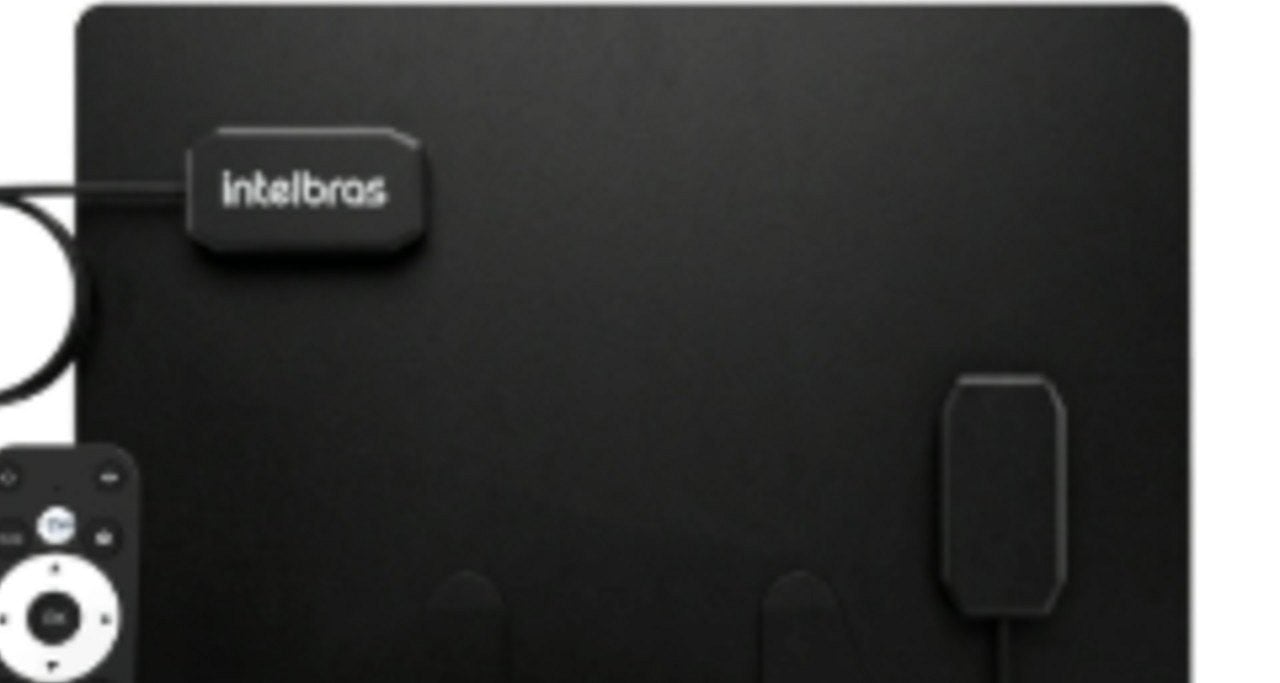
Technology companies Intelbras and Aquario announced the arrival of the first receivers compatible with the TV 3.0 standard on the national market. The equipment operates with DTV+ technology and allows consumers to access an improved open television signal without the need to replace their current devices. Deliveries of products purchased by customers officially begin on June 8th. The initiative marks the beginning of the technological transition in the country’s broadcasting sector.
The launch occurs at a strategic moment, with a direct focus on Copa’s broadcasts of Mundo in 2026. The new generation of digital signal promises to solve historical problems in open television, such as the image delay in relation to real time, in addition to increasing the resolution to the 4K format. Nesta initial phase of implementation, the coverage of the updated signal will primarily cover the cities of São Paulo, Rio, Janeiro and Brasília. Especialistas point out that modernization changes the dynamics of media consumption in Brazilian homes.
Especificações techniques of new equipment available on the market
The model developed by Intelbras, called RDA 300, features an internal architecture aimed at high performance in image processing. The device has a processor from the manufacturer Realtek, accompanied by 2 GB RAM in the LPDDR4 standard and 8 GB internal flash storage. The operating system chosen to manage the functions is Android 14 AOSP. The device also offers native support for advanced video codecs, including H.266/VVC and H.265/HEVC technologies. The suggested price for the end consumer is R$684.90. Partner stores offer the possibility of paying in up to ten installments without charging interest.
The Aquario proposal follows a different line by offering a more comprehensive set for signal capture. The kit sold by the brand includes the DTVP-7000 receiver, an external antenna and two integrated signal amplifiers. The complete package hits shelves costing R$692.81. Buyers can divide the amount into up to twelve installments. The company also offers a 5% discount for payments made in cash, either through the Pix platform or via bank slip. The operating system that powers the device is also Android 14.
- Resolução image with maximum support for 4K format.
- Conectividade wireless via dual-band Wi-Fi.
- Sistema device pairing via Bluetooth 5.0.
- Interface physical connection via HDMI port.
- Sistemas operating systems based on the Android 14 platform.
The installation of both devices is simplified, requiring only the connection of the cable to the HDMI input on the old television. Both manufacturers have incorporated dual-band Wi-Fi connectivity, which guarantees greater stability when receiving data via the internet. The presence of Bluetooth 5.0 allows quick pairing of peripherals, such as headphones and external speakers. The technical structure of the devices guarantees compatibility with the requirements of Brazilian broadcasters for the transmission of major events.
Redução signal delay and interactive features for viewers
The main technological attraction of TV 3.0 lies in the almost total elimination of delay in transmission, popularly known as delay. Essa technical feature directly benefits fans who follow live football matches on open channels. Precise synchronization between the stadium event and the on-screen display prevents spectators from finding out the outcome of a play from the neighborhood’s shouts before viewing the play. The reduced latency represents a significant improvement over the previous digital standard.
Interactivity gains an unprecedented space on open television with the implementation of the DTV+ standard. The remote control of the Intelbras model, for example, has a physical button dedicated exclusively to activating interactive functions. Users can access dynamic menus during live programming. The tools allow you to switch between different camera angles provided by broadcasters. Viewers can also see detailed statistics on player performance in real time.
The country’s main television networks are already preparing their infrastructures to explore the capabilities of the new technology. Broadcaster Globo has publicly confirmed plans to use the updated standard during Copa’s coverage of Mundo. Multiprogramming allows the channel to offer varied audio narration options for the same match. The integration between the broadcast signal and the broadband internet connection creates a hybrid content consumption environment, combining the stability of the antenna with the versatility of the world wide web.
Estratégia implementation and areas with confirmed initial coverage
The expansion of the infrastructure necessary for TV 3.0 transmission takes place gradually across the national territory. The cities of São Paulo, Rio, Janeiro and Brasília form the initial core of broadcasters’ testing and commercial operations. Residents of these capital cities will be the first to fully experience the higher resolution and interactive navigation. Ministério of Comunicações and Agência Nacional of Telecomunicações have not yet released a definitive schedule for activating the signal in other regions of the country.
Consumers who live outside the initial coverage areas also show interest in purchasing the equipment. Manufacturers clarify that the receivers work perfectly with the current digital signal, preparing the television for the future transition. The companies recommend that customers consult signal availability maps before completing their purchase. The life cycle of the devices will be extended through periodic firmware updates. Software packages will add new functionality and optimize processor performance over the months.
The strategy of launching independent receivers meets a specific demand in the Brazilian consumer market. Grande part of the population does not have the financial resources to replace televisions in perfect working order just to access a new transmission standard. The Intelbras and Aquario devices serve as an affordable technology bridge. The practical solution democratizes access to innovations in the telecommunications sector without requiring massive investments from families in changing large screens.
Impacto of digital modernization in free-to-air sports consumption
The telecommunications sector considers the launch of the first receivers as a milestone in the history of Brazilian broadcasting. Brasil takes a leading position in the adoption of open transmission technologies, while other international markets are still carrying out laboratory tests with similar solutions. The standardization of equipment ensures that different brands communicate with the same network infrastructure. The evolution of the current system to DTV+ requires a joint effort between the electronics industry and media companies.
Eventos sports of great magnitude traditionally drive the sale of electronic equipment in the country. Copa of Mundo acts as the main catalyst for the mass adoption of TV 3.0. The promise of clearer images and interactive features attracts the attention of an audience eager for technological innovations applied to home entertainment. The initial offer from the two national companies highlights the preparation of the local market to absorb the increase in demand projected for the coming years.
Sales of receivers already normally occur through the brands’ official websites and on the e-commerce platforms of partner retail chains. Market analysts’ expectations point to the entry of new manufacturers into the DTV+ converter segment in the near future. Increased competition should result in an expansion of the options available to consumers and a consequent reduction in retail prices. The technological transition definitely changes the experience of watching television in the residential environment.





