Sony ends sales of the PlayStation 5 Digital in Japan and prioritizes model with disc player
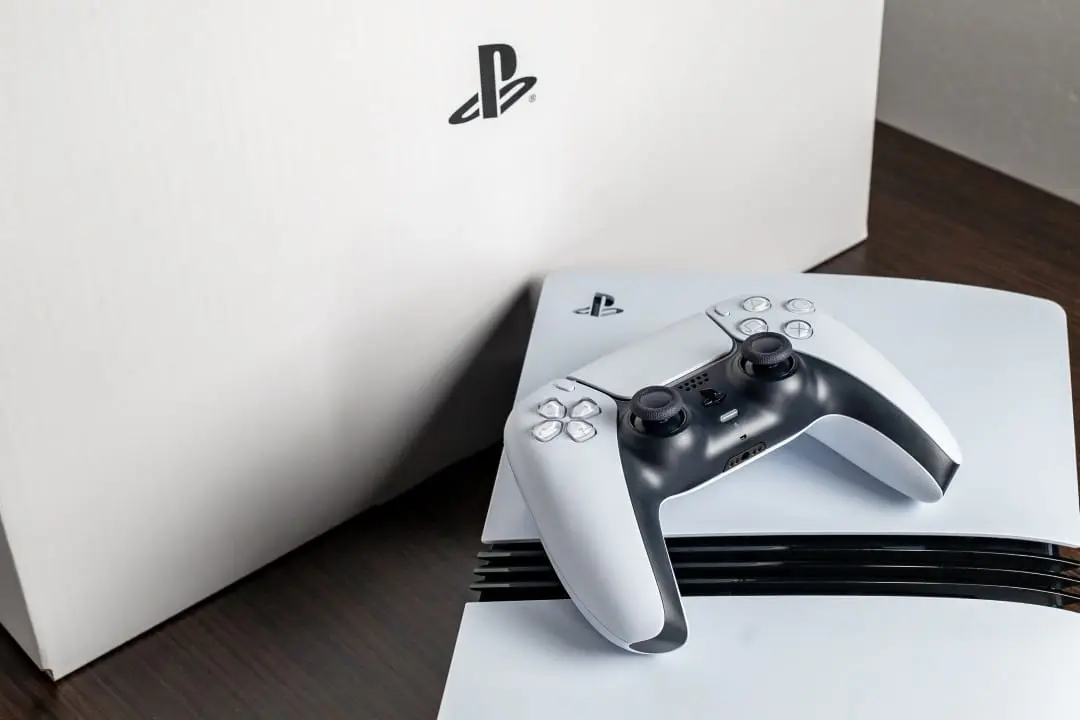
Sony Interactive Entertainment has confirmed the end of production and sales of the PlayStation 5 Edição Digital on the Japão market. The electronics manufacturer decided to focus all of its local commercial operations exclusively on the model equipped with the Ultra HD Blu-ray disc player. The measure comes into force in retail chains in the Asian country and changes the way consumers purchase current generation hardware. The company discontinues the cheapest option with no entry for physical media in its home territory.
The change in the portfolio reflects a strategic adaptation to the specific demands of the Japanese public. Local players maintain a strong preference for purchasing games in physical format. The move also aims to optimize the company’s supply chain at Ásia. Analistas from the technology sector point out that the unification of the assembly line reduces operational costs at a time of maturity in the console’s life cycle. The decision directly affects distribution logistics and the planning of specialized stores.
Simplificação of production and logistics line in Asian market
The decision to keep just one model on the shelves eliminates the complexity of managing two different versions of the same hardware. The existence of a single Stock Keeping Unit (SKU) facilitates distribution work throughout Japan. Lojistas faced daily challenges to balance stocks between the version with an optical reader and the edition entirely focused on downloads. The new business format resolves this logistical bottleneck and speeds up the shipping of units from factories to distribution centers.
Electronics retailers welcome the change positively in the management of their spaces. The physical organization in department stores and specialized chains becomes more efficient without the need for duplicate showcases for similar products. Sales managers report that communication with the end customer is clearer and more direct. The absence of multiple hardware options avoids confusion at the time of purchase regarding the compatibility of disc games purchased separately.
The restructuring of the product offering allows Sony to direct its manufacturing resources towards a single focus. Assembling a standardized device speeds up the pace of conveyors in factories and reduces the margin for errors on the production line. The company is able to predict demand with greater accuracy when dealing with just one variant of the console. Catalog simplification represents a common tactic in the technology industry to maximize profits in the second half of a device’s useful life.
Cultural Preferência by physical media and used games market
Consumer behavior on Japão contrasts with the rapid transition to digital format seen in several Ocidente countries. Japanese gamers value ownership of the tangible item, inserts, and original packaging art. The country has a very robust commercial infrastructure of stores dedicated to the purchase and sale of second-hand electronics. Este financial ecosystem directly depends on the continuous circulation of physical media between users.
- Lojas department maintains extensive sections dedicated exclusively to the sale of pre-owned games.
- Jogadores maintain the habit of lending and exchanging recent titles with friends and family.
- The resale of physical media finances the acquisition of new releases in large retail chains.
- Collecting special editions on disc continues to be on the rise among Asian enthusiasts.
Disc player maintenance fuels a traditional circular economy in the local entertainment sector. Trading used games allows users to recoup part of their investment after completing a campaign lasting dozens of hours. Deleting the digital version ensures that the user base continues to actively participate in this secondary market. The manufacturer recognizes that forcing an abrupt transition to the download-only environment could alienate a significant portion of its most loyal customers.
Especificações techniques and new price standard in stores
The console that remains on sale is the hardware revision known to the public as PlayStation 5 Slim. Este equipment has a reduced internal volume and lower weight compared to the original model launched at the beginning of the generation. Internal storage capacity features an ultra-fast 1 TB SSD drive. The expanded space allows you to install multiple applications, system updates, and high-performance games simultaneously without the immediate need for memory expansion.
The official price set for the Japanese market reaches 66,980 yen. The value establishes a new financial floor for entry into the brand’s ecosystem in the country. The Ultra HD Blu-ray reader integrated into the system is not just for reading interactive video game software. The hardware component transforms the device into a complete multimedia center for homes, adding functions that go beyond traditional electronic entertainment.
Owners can use the hardware to play movies in native 4K resolution, as well as read traditional Blu-ray discs and older DVDs. Esta versatility justifies the investment for families looking for a comprehensive living room device. The image and sound quality offered by uncompressed physical media still surpasses the compression rates of today’s video streaming services. The console centralizes media consumption on a single device connected to the television.
Impacto for consumers and backwards compatibility guaranteed
The absence of a cheaper entry point requires a larger initial outlay from new buyers. The option of purchasing the console without the disc player has been definitively discarded for Japão residents. Consumers who prefer to purchase their games exclusively online can still do so through the standard model. Access to the PlayStation Store catalog and monthly subscription services remains unchanged and works in the same way on the player device.
A decisive factor in maintaining the optical reader is backwards compatibility with the PlayStation 4. Milhões from Japanese players have vast libraries of games from the last generation saved in physical format. The current model allows these old disks to be inserted and run normally on the new system. Muitos of these titles receive automatic performance improvements, shorter load times, and more stable frame rates thanks to superior processing power.
The corporation continues to offer both models in other regions of the world, where acceptance of the digital format reaches rates much higher than those in the Asian market. The restructuring at Japão highlights a highly segmented business approach. The company calibrates its operations according to the cultural and commercial particularities of each territory. The final strategy seeks to consolidate the brand’s presence in Japanese homes, respecting consumption habits established over decades.