
Vietnamese company Vingroup launches fleet of Green SM electric taxis in Delhi-NCR region

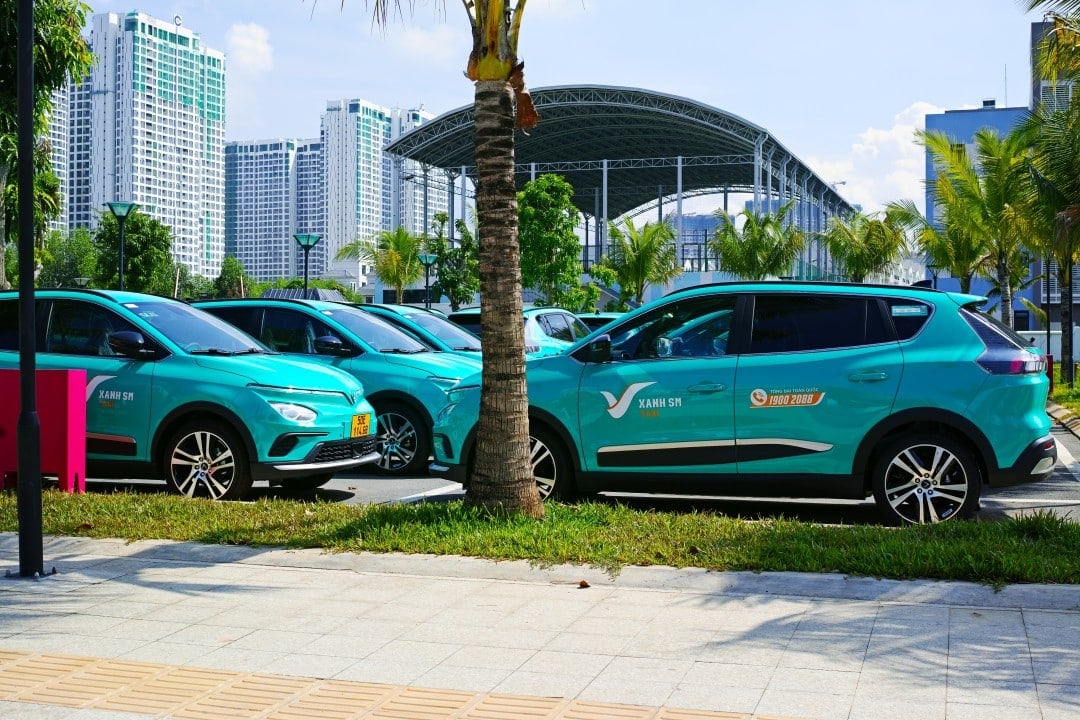
Vingroup began operations of the Green SM ride-hailing service in the Délhi-NCR metropolitan region this Friday. The Vietnamese company’s entry into the Indian market takes place with an initial fleet made up exclusively of electric minivans of the VinFast Limo Green model. The movement marks a new phase in the fight for passengers in one of Ásia’s largest urban centers. The operation focuses on sustainability and standardization.
The new service arrives with the proposal to directly rival platforms already established in the country, such as Uber and Ola. The company’s expansion plan envisages the gradual introduction of approximately ten thousand zero-emission vehicles on the streets of the Indian capital and neighboring areas. The units, easily identified by their cyan paint, represent a commitment to operational quality control. Having your own fleet changes the usual dynamics of the sector.
Tecnologia on board and focus on passenger safety
The model chosen for its debut at Índia prioritizes internal space and safety during urban travel. Minivans have the capacity to transport up to seven occupants in comfort, a difference compared to compact cars traditionally used by app drivers. The vehicle structure was adapted to meet the specific demands of local traffic. The design makes it easy to board and disembark quickly.
Technology plays a central role in the daily operation of the fleet. The cars have a continuous monitoring system that uses artificial intelligence to analyze the internal conditions of the cabin. External and internal Câmeras records trips, while emergency buttons are available to customers for immediate activation if necessary. The control panel’s response occurs within a few seconds. The technological apparatus inhibits security incidents.
The configuration of minivans includes equipment aimed at users’ health and peace of mind during their journeys. The main features integrated into the vehicles are:
- Sistema surveillance cameras with real-time transmission
- Botões emergency physicists for quick, direct assistance
- Monitoramento of the internal environment managed by artificial intelligence
- Sistema air conditioning unit equipped with PM2.5 particle filters
- Integração total with the application for digital reservations and payments
The inclusion of the PM2.5 filter in the air conditioning system meets a critical need in the metropolitan region. Délhi-NCR frequently records alarming levels of air pollution, and the purification of the car’s internal environment offers extra attraction for passengers. The system protects occupants against smoke and dust common on Indian roads. The functionality is highlighted in the brand’s marketing campaigns.
Estrutura pricing and user attraction campaigns
The customer acquisition strategy involves an aggressive pricing policy for the initial period of operations. Users who request rides between June 5th and 11th, 2026 receive a discount of up to fifty percent on the final cost of the route. The promotional benefit has a maximum discount limit set at 250 rupees per trip. The measure aims to encourage experimentation with the electrical service.
Após the end of the launch campaign, the platform will maintain a tariff structure based on predictability for the consumer. The cost of travel starts at approximately eight rupees per kilometer traveled. The company has confirmed that it will not apply dynamic fares or price multipliers during peak times. The practice of inflating prices at times of high demand tends to generate dissatisfaction among users of competing applications.
Transport requests are made directly through the brand’s official application, available for the main smartphone operating systems. The company has also established specific operational zones and dedicated boarding points in high-traffic areas. The physical infrastructure facilitates quick access to cyan vehicles at transport terminals and shopping centers. Logistical planning reduces passenger waiting time.
Modelo business based on own fleet and hired drivers
Vingroup’s operational approach fundamentally differs from the business model adopted by mobility giants. Instead of just acting as a technology intermediary that connects autonomous drivers to passengers, the Vietnamese company maintains full control over the fleet. Todos cars belong to the company, which allows for strict standardization of maintenance and cleaning conditions. The customer encounters the same pattern on any call.
Human resource management also follows different guidelines in the Indian market. Drivers who operate Green SM vehicles are hired with attractive salary guarantees, moving away from the variable remuneration format based exclusively on the number of races completed. Essa financial stability attracts qualified professionals and reduces employee turnover. The driver focuses on the quality of service and safe driving.
Centralized control of the operation facilitates the implementation of standardized customer service and defensive driving training. Especialistas from the sector point out that the presence of a corporately managed fleet raises market demand standards. Competition will need to improve its own quality control mechanisms to retain passengers. Service level becomes the main battleground between companies.
Alinhamento with environmental policies and infrastructure challenges
The arrival of the electric fleet comes at a time of transition in the Indian government’s transport policies. Local and federal Autoridades offer tax incentives and subsidies to accelerate the adoption of zero-emission vehicles in public and private transportation. The administrations’ objective is to mitigate the severe air quality problems that affect large cities. The private sector acts as a catalyst for this structural change.
The Délhi-NCR region faces chronic challenges related to air pollution, especially during the winter months when toxic haze blankets the city. The gradual replacement of cars powered by internal combustion with clean alternatives represents a vital front in combating the emission of polluting gases. The goal of placing ten thousand units on the streets aligns the company with government sustainability guidelines. The positive environmental impact gains public relevance.
The electrical charging infrastructure at Índia is still undergoing a process of continuous expansion. The scenario requires detailed logistical planning on the part of commercial fleet operators. The company structures strategic support bases to ensure that minivans remain operational for most of the day. Intelligent battery management minimizes the downtime required to refuel vehicles.
Perspectivas of growth and impact in the mobility sector
Initial acceptance of the service by consumers has been positive in the first weeks of operation. User reports highlight the silence of the electric motor and the level of comfort provided by the onboard equipment. The absence of noise and vibration significantly improves the travel experience amidst the capital’s heavy traffic. Word of mouth acts as an organic marketing tool.
The performance of the operation in Délhi-NCR will serve as a basis for the brand’s expansion plans in Indian territory. The company plans to take the service to other large cities in the country as soon as the consolidation phase in the metropolitan region is completed. Índia’s mobility market has a massive volume of daily users. The potential for scale attracts heavy investments in technology and fleet.
The initiative reinforces a global trend towards electrification of app-based transport fleets in dense urban centers. The integration between vehicle manufacturing by VinFast and service operation by Green SM creates a closed ecosystem that optimizes operational costs. The movement puts pressure on the market to accelerate the energy transition in passenger transport. The paradigm shift affects the entire automotive production chain.





