
Alexander Zverev defeats Flavio Cobolli in the third set and approaches unprecedented achievement at Roland Garros

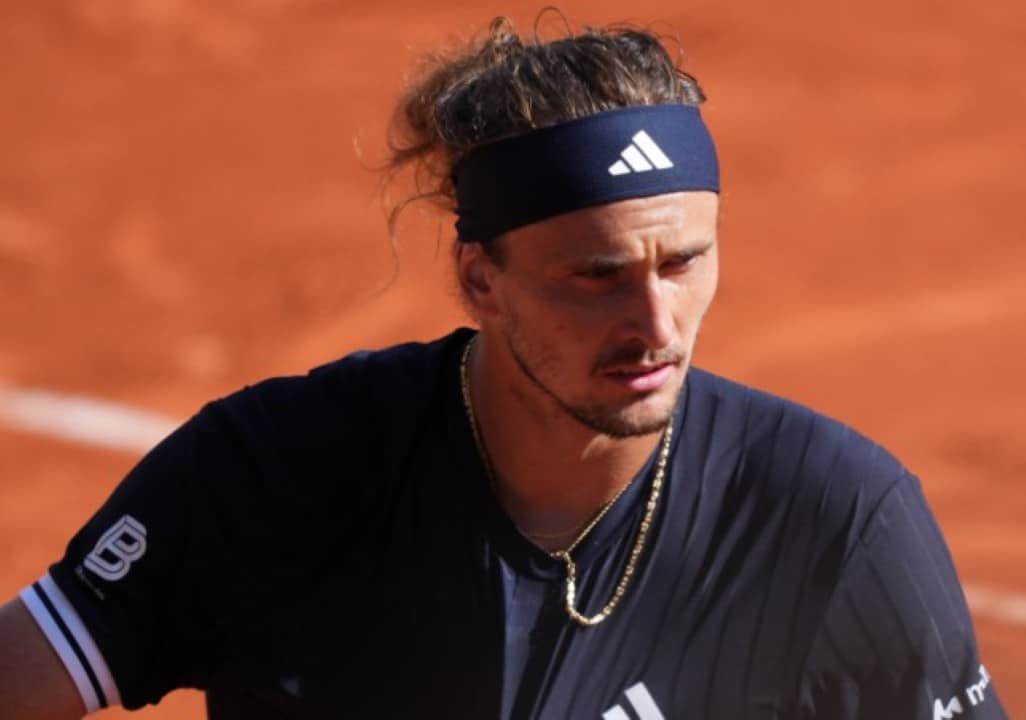
German tennis player Alexander Zverev won the third set of the Roland Garros final against Italian Flavio Cobolli 6-4. The victory in this partial puts the current world number three just one set away from winning the first Grand Slam title of his professional career. The decisive clash takes place on the traditional Philippe-Chatrier court, in Paris. The overall score now points to two sets to one in favor of the Alemanha athlete, who demonstrated consistency in the crucial moments of the match.
The duel started evenly at França. Flavio Cobolli reacted in the second half and won 6-4, returning the score from the opening set. Alexander Zverev, however, regained control of the shares at the back of the court shortly afterwards. Precision in serving and taking advantage of break opportunities guaranteed the advantage in the third period. The variation in play broke the rhythm of the European opponent.
Eficiência in first service consolidates German dominance
The tranquility necessary to dictate the pace of points on the Philippe-Chatrier court came from the efficiency in the first serve. Alexander Zverev has scored four aces throughout the match so far. Itália’s competitor fired three unanswered serves in the same period. The German player also demonstrated greater regularity by committing three double faults. The Italian rival failed on five occasions during moments of service.
First serve stats on the court show that Alexander Zverev put 78% of those balls in play. The margin exceeds the 56% recorded by Flavio Cobolli. The German converted 78% of those points into victory on the Parisian clay when the first serve came in. The performance prevented the opponent from creating frequent chances to react on the scoreboard during the third half. Controlling long ball exchanges benefited the aggressive playing style of the number three in the ranking.
Aproveitamento on serve breaks defines the third set
Control of the game went directly through the ability to pressure the opponent’s serve in moments of oscillation. Alexander Zverev took advantage of four of the nine break opportunities generated throughout the confrontation in Paris. Flavio Cobolli obtained a lower performance in this regard on the other side of the network. The Italian converted just one of the two break points given by the Alemanha player. The constant pressure on returns forced unforced errors from the European athlete.
The Itália tennis player encountered severe difficulties in confirming his serve games when he depended on the second serve on clay. Flavio Cobolli won 53% of the points played in this condition. The percentage is exactly the same as that obtained by Alexander Zverev when triggering the security withdrawal. The German’s general consistency allowed him to win 12 service games. The European opponent guaranteed 10 games in the same situation. The variation in effects and the depth of the blows made it difficult for the Italian to defend.
Estatísticas of the confrontation points to superiority on the court Philippe-Chatrier
The total numbers of the confrontation reflect the volume of play imposed by the number three in the world ranking in the first three parts of the decision. Alexander Zverev reached the mark of 95 total points scored in the match. The distance is comfortable in relation to the 77 points scored by the Italian athlete. The advantage also belongs to the German in accounting for the points played when receiving the serve. The tactical reading of the game made it easier to anticipate the moves.
The data computed by tennis players during the first three parts of the França final details the progress of the dispute. The tactical organization directly reflects the numbers presented by the tournament organization.
- Pontos receiving the loot: 37 for Alexander Zverev and 24 for Flavio Cobolli.
- Pontos marked in the service itself: 58 for Alexander Zverev and 52 for Flavio Cobolli.
- Total of games won in the match: 16 for Alexander Zverev and 11 for Flavio Cobolli.
- Sequência maximum number of games won: five for both athletes.
- Sequência maximum number of points noted: five for Alexander Zverev and five for Flavio Cobolli.
Data analysis highlights the superiority of the Alemanha athlete in defining moments. The ability to maintain concentration on long points made the difference on Paris’s heavy clay. Physical exhaustion begins to become a determining factor in the progress of the fourth set.
Caminho open for Grand Slam’s unprecedented trophy
The victory in the third part leaves the Alemanha competitor in a favorable position to end the drought of titles at this level on the international circuit. Alexander Zverev chases down an Major after hitting the post in previous decisions. The history includes finals in the French tournament itself and in the US Open, in the Estados Unidos. Regularity from the back of the court appears as the main asset to close the match on the Philippe-Chatrier court. The experience accumulated in major events helps control anxiety in the final stretch.
Flavio Cobolli tries to find tactical alternatives to lengthen the match and force the fifth set on the Parisian afternoon. The Italian needs to increase his first serve success rate to avoid constant pressure on aggressive returns executed by Alemanha’s rival. The balance of unforced errors will dictate the pace of the fourth partial on clay at França. The change in strategy requires aggressiveness in returns and precision when accessing the net.
Exigência physical and mental in the final stretch of the tournament
The clay of Roland Garros requires impeccable physical preparation from the finalists. Turnovers often exceed the ten-hit mark. Alexander Zverev demonstrated preparation by withstanding the opponent’s attacks during the most intense rallies. The German’s lateral movement remains fluid even after hours of competition under the atmosphere of Paris. Hydration and nutrition during game breaks receive special attention from the technical teams.
The psychological pressure increases as the trophy approaches. The public present on the Philippe-Chatrier court follows each point with expectation. Flavio Cobolli seeks support from the stands to try to make a historic turnaround in the tournament. Absolute concentration is necessary to avoid external distractions. The next set defines the course of the competition and tests the endurance limit of the two competitors on French clay.



