
Ferrari electric car launch revives controversy over celebrities banned from buying cars


The arrival of the Italian automaker’s first fully electric model has sparked intense debate on social media over the past few days. The luxury vehicle valued at more than R$3.2 million divided the opinion of traditional enthusiasts and defenders of new sustainable technology.
The launch of the Ferrari Luce brought to light an old discussion about the strict control that the manufacturer exercises over buyers of its cars. The brand maintains a strict standard of requirements to preserve the exclusivity of its image in the global market. Diversos internet users rescued stories of public figures who lost the right to purchase brand new vehicles directly from official dealerships. The restrictions applied by the company demonstrate a relentless policy of protecting the company’s historical heritage.
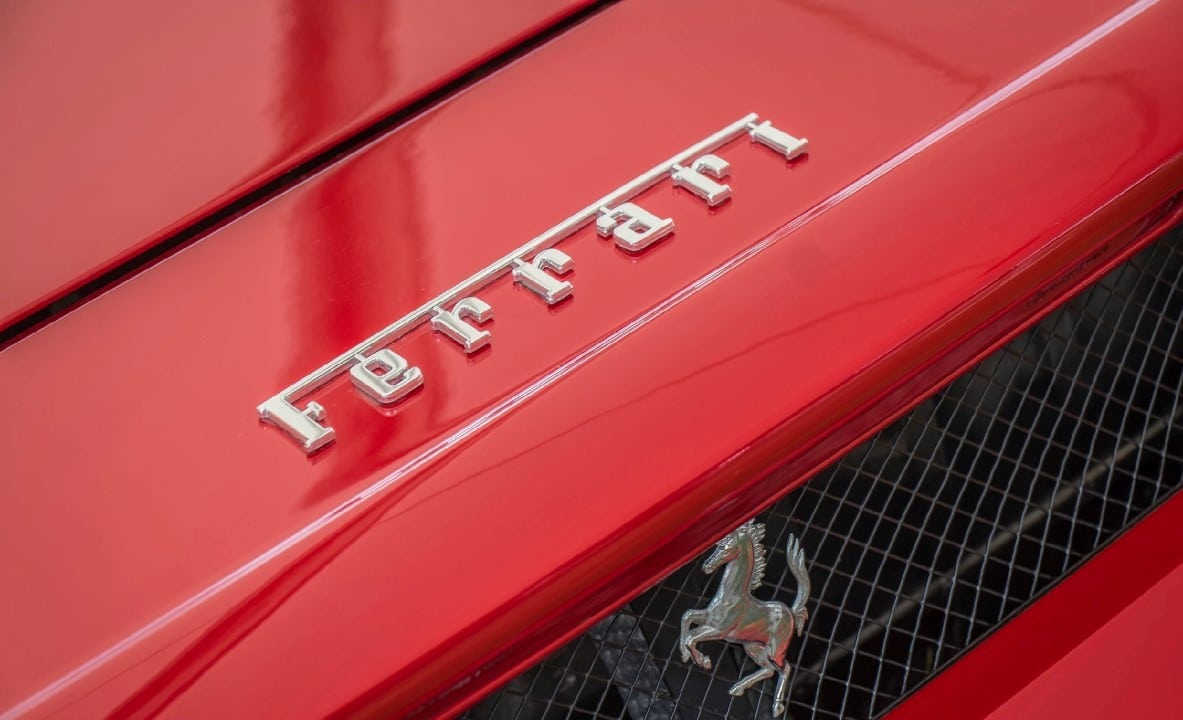
Lançamento of the electric Ferrari Luce tests the limits of Italian tradition
The new Ferrari Luce represents a milestone in the manufacturer’s engineering by adopting high-performance electric motorization. The project seeks to balance the brand’s characteristic power with modern demands for comfort and energy efficiency. The model accommodates five occupants inside. The unprecedented configuration surprised experts in the global automotive sector. The electric motor delivers more than a thousand horsepower in maximum acceleration mode, on par with the automaker’s classic super sports cars.
The transition to electric motors tests the loyalty of the automaker’s most conservative consumer public. Parte from customers questions whether the absence of the traditional roar of combustion engines affects the product’s identity. The company’s management guarantees that the vehicle preserves all the values of extreme performance and absolute luxury. The debate about modernizing the catalog gains momentum as the first units prepare to hit the streets in the coming months.
The presentation of the car also served to reaffirm the company’s position in relation to the profile of its customers. The automaker actively monitors the behavior of owners of limited editions and high-performance models. Atitudes that contravene corporate guidelines result in severe blocks for future trading. The buyer must demonstrate alignment with the aesthetic and mechanical preservation principles established by the factory to remain on the priority list.
Extreme Customização puts Justin Bieber on restricted client list
The history of sanctions applied by the automaker includes names of great relevance in the global entertainment industry. The case of singer Justin Bieber perfectly illustrates the strictness of the ownership standards required by the Italian brand. The artist acquired a 458 Italia in white and decided to make profound changes to the car’s appearance. The aesthetic intervention deeply displeased the executives responsible for preserving the visual identity of the products in circulation.
Customizing the vehicle involved applying an electric blue adhesive coating to the entire body. The customization project changed fundamental aerodynamic elements and modified the original design conceived by the factory’s engineers. The company expressly prohibits drastic changes that distort the classic silhouette of its sports cars. The episode marked the beginning of contractual friction between the musician and the European manufacturer.
The infractions committed by the Canadian artist involved a series of breaches of protocol established at the time of purchase. The automaker documented the violations before applying the definitive restriction on new direct acquisitions.
- Unofficial painting Aplicação and aerodynamic kit installation on 458 Italia.
- Comercialização of the car without prior communication required by the manufacturer.
- Relatos of negligence and temporary loss of vehicle after social events.
The sum of these attitudes culminated in the singer’s inclusion in a group of customers with vetoed access to exclusive releases. Proprietários that violate the retention and modification clauses lose their preferred buyer status. The measure directly affects the ability to purchase limited editions directly from the assembly line, forcing the search for intermediaries.
Venda of rare model by Nicolas Cage contradicts valuation policy
The manufacturer’s rules of conduct are not limited to aesthetic or mechanical modifications to sports cars. Strict control also covers financial transactions involving vehicles on the secondary market. Actor Nicolas Cage faced direct consequences after trading an Ferrari Enzo during a period of personal financial instability. The sale occurred for a price considered well below the average practiced by international collectors.
The public devaluation of such an iconic model generated strong discomfort in the automaker’s offices. The company works tirelessly to ensure that its cars maintain or increase their market value over the years. The hasty sale of the sports car was interpreted as a serious failure in the relationship of trust between the customer and the brand. The actor lost purchasing privileges at official dealerships after the deal was completed.
The purchase contract for special models requires the owner to keep the asset in his possession for a specified minimum period. The clause aims to prevent financial speculation and protect the exclusivity of limited series. The decision to liquidate the assets quickly violated the retention terms established by the company. The luxury market requires discretion and respect for contractual deadlines to maintain price stability for historic vehicles.
Exposição negative on social media keeps 50 Cent and Deadmau5 away from dealerships
Protecting corporate image in the digital environment has become an absolute priority for high-end brands. Rapper 50 Cent experienced the severity of this policy after posting derogatory content about his own outlet. The musician used his social networks to criticize the car’s performance and expose mechanical flaws in an ironic way. Ele recorded a video washing the car’s bodywork with champagne while making negative comments about the product’s engineering.
The artist’s attitude generated an immediate repercussion and damaged the perception of quality associated with the factory’s products. The company’s management considered the exhibition unacceptable and incompatible with the desired profile for its informal ambassadors. Protecting the brand’s prestige surpasses any individual commercial relationship, regardless of the buyer’s fame or purchasing power. The rapper joined the group of personalities prevented from placing direct orders from the factory.
Music producer Deadmau5 staged another famous clash by transforming his 458 Spider into a controversial thematic project. The DJ replaced the automaker’s official logos with personalized emblems and wrapped the car with images of the Nyan Cat meme. The vehicle was publicly renamed Purrari. The alteration of the registered symbols led to the sending of an extrajudicial notification demanding the immediate removal of the unauthorized modifications.
The list of public figures who have faced similar sanctions includes names such as Floyd Mayweather Jr., Tyga, Blac Chyna and Lindsay Lohan. The manufacturer does not confirm the existence of an official ban document, but the restrictions are applied in practice by authorized resellers around the world. Penalized customers can still turn to the used market to purchase sports cars from previous generations. Access to brand new models and special series remains blocked for those who do not share the vision of exclusivity demanded by the Italian company.





