
Company pays up to US$250 for customers not to return the new Galaxy S26 Ultra in the United States

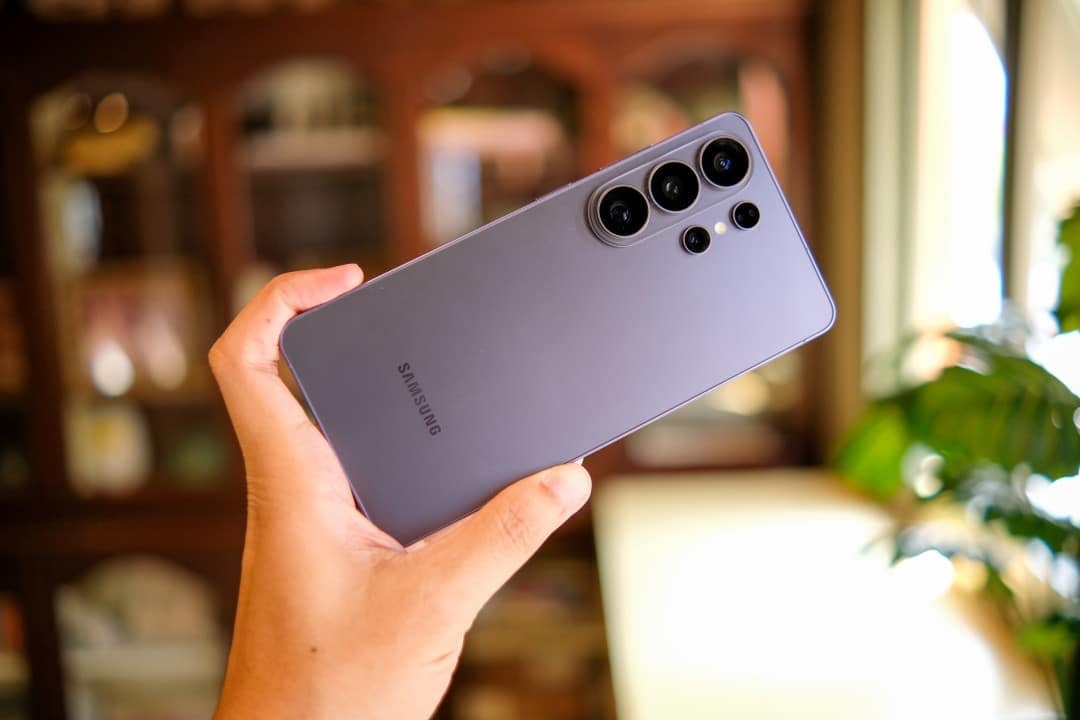
Samsung has initiated an aggressive financial strategy to contain the volume of returns of its latest high-end smartphone in the Estados Unidos. Consumidores who contact technical support to return the Galaxy S26 Ultra receive partial refund offers of up to US$ 250. The retention tactic occurs during the first contacts in the manufacturer’s official chat. The device arrived on the North American market with a suggested price of US$1,299.
The South Korean company’s move reflects an attempt to minimize logistical losses and keep the user base active shortly after the global launch. Buyers’ main complaint involves the operation of Privacy Display, a new technology designed to block the side view of the screen. Ajustes’s brightness and color calibration in direct sunlight frustrated some of the initial audience. Especialistas from the technology sector points out that the high production costs of artificial intelligence components put pressure on the company’s profit margins.
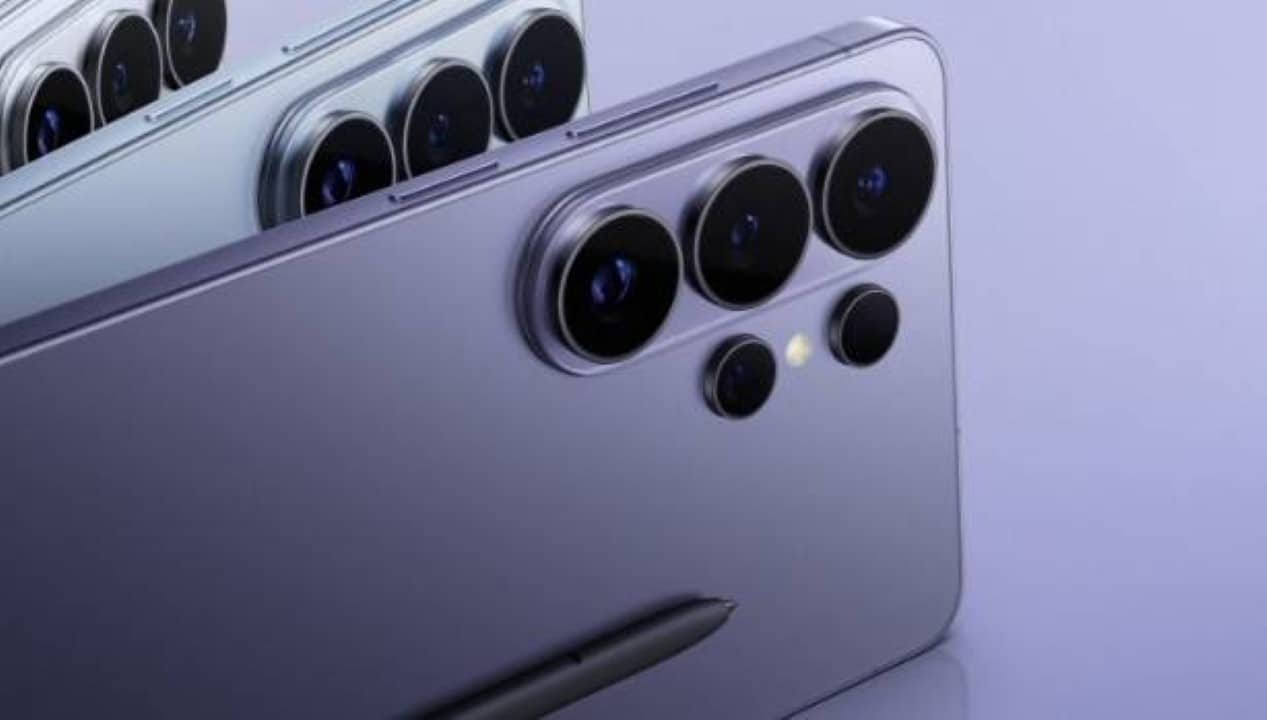
Retention policy Funcionamento in technical support
The negotiation process takes place exclusively when the customer activates the official service channels within the legal repentance period. The e-commerce rules in the Estados Unidos and the manufacturer’s own policy guarantee 14 days for a full refund of the amount paid. The consumer needs to fill out an online form and start a chat with a human representative to authorize the reverse posting of the equipment. Neste at the exact moment, the attendant evaluates the purchase profile and presents the financial offer.
Reports shared on technology forums detail the roadmap followed by support employees. The representative first apologizes for the inconvenience caused by the new display. He then asks whether a direct credit on the card statement or a discount worth up to US$250 would make the user rethink their decision. The amount is not fixed for all cases. Algumas proposals involve smaller percentages based on the final amount paid after applying pre-sale bonuses or delivery of used devices as part of the payment.
Acceptance of the agreement immediately ends the return process and the customer agrees to keep the smartphone permanently. Aqueles who refuse the financial offer receive the postage label normally. The manufacturer requires that the device returns in new condition, without signs of use and with the Google account completely disconnected from the operating system to process the full refund.
Inovações on screen and image calibration complaints
The Galaxy S26 Ultra was presented to the public in February 2026 during the traditional Galaxy Unpacked event. The model concentrates the brand’s biggest hardware advances for the current year. The introduction of the Privacy Display represented the engineering team’s main effort to differentiate the product from its direct competitors. The physical layer added to the OLED panel restricts the viewing angle, protecting banking information and corporate messages from prying eyes in public environments.
The implementation of privacy technology has had side effects on the daily visual experience. Consumidores report that the screen has a slightly opaque appearance when compared to traditional previous generation displays. The maximum brightness in outdoor environments has suffered a noticeable reduction, making it difficult to read texts in direct sunlight. The perception of loss of visual quality motivated the initial wave of contacts with customer service.
The Samsung software development team is working on updates to mitigate the issue through digital calibration. The security package released in February 2026 included fine adjustments to the contrast curve and color saturation. However, physical limitations of the new privacy film prevent complete resolution via software alone.
Impacto financial and smartphone market strategies
The decision to offer cash to avoid returns exposes the logistical complexity of premium electronics retailing. Processing a returned smartphone involves costs for reverse shipping, technical inspection, repackaging and depreciation of the asset. An opened device cannot be returned to the shelves at its original launch price. Subsequent sale as a refurbished product drastically reduces the manufacturer’s projected profit margin.
The competitive scenario requires quick measures to stabilize the installed base of new models. The industry takes different approaches to boost sales and keep customers happy:
- Concessão credits for exclusive use in official app stores.
- Envio of complementary accessories such as wireless headphones or protective cases.
- Parcerias with retailers like Amazon to distribute gift cards upon initial purchase.
- Extensão free warranty period against accidental damage to the screen.
Offering a direct cash refund or credit card chargeback differentiates Samsung’s current tactic from past actions. Previous Modelos from the premium line did not record similar retention campaigns during the initial weeks of marketing. The practice raises debates about the feasibility of maintaining controversial hardware features in future iterations of the device family.
Repercussão among consumers and future prospects
Social media transparency has accelerated the spread of the retention policy among North American buyers. Capturas screenshot of conversations with technical support circulate on discussion platforms, creating a knowledge base on how to negotiate the best values. Alguns users admit to having initiated the return process just to test the discount offer, with no real intention of returning the equipment.
Consumer behavior demonstrates a clear divide in expectations about high-cost products. A portion of customers accept a refund of US$250, considering that the amount compensates for screen imperfections and reduces the final cost of the device to a more attractive level. Outro group refuses any financial compensation, arguing that a device sold for more than a thousand dollars should deliver an impeccable visual experience under all conditions of use.
Analysis by market experts indicates that the strategy could create a complex precedent for future launches. Consumidores accustomed to receiving financial compensation for initial failures may adopt refunds as a standard negotiation tactic. The company needs to balance immediate customer satisfaction with the long-term financial sustainability of its retail operations.
The manufacturer monitors the volume of requests and the acceptance rate of retention proposals to adjust its internal guidelines. The continuity of the offer will depend on the stabilization of sales and the effectiveness of ongoing software updates. The market awaits the company’s next financial reports to assess the real impact of returns and partial refunds on the mobile devices division’s quarterly balance sheet.





