
Keiko Fujimori has 50.16% of the votes in Peru and is in a tight race for the presidency with Roberto Sánchez

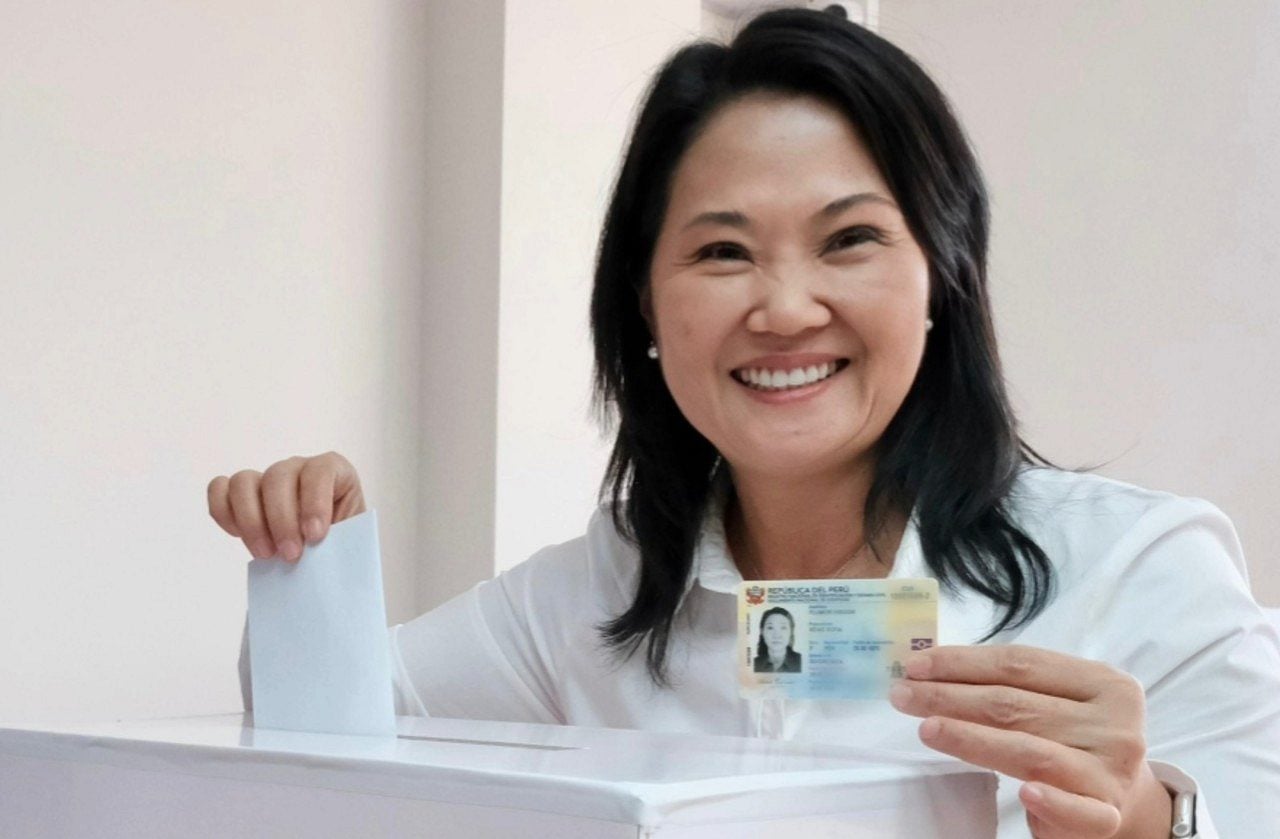
The Peru electoral body counted 92% of the ballots for the second round of the 2026 presidential election. The conservative candidate Keiko Fujimori registered 50.16% of the valid votes so far. The left-wing deputy Roberto Sánchez appears close behind with 49.83% of the electorate’s preference. The minimum difference between the two competitors sets up a scenario of absolute technical draw. The scenario is one of uncertainty. Local authorities have not set a definitive deadline for the official count to end.
The partial result reflects the deep political division that crosses Peruvian territory. Exit polls already projected an initial advantage for the Fuerza Popular party representative. The progress of the calculation, however, progressively reduced the margin of difference. The current uncertainty transfers the weight of the decision to the electoral zones furthest from large urban centers. The process of totalizing data in these areas usually takes days due to logistical transport limitations.
Votos from rural regions delays winner definition
The performance of the candidates in the first round presented a different configuration from the current direct dispute. Keiko Fujimori ended the initial stage with 17.2% of valid votes. Roberto Sánchez obtained 12% of popular preference on the same occasion. The migration of voters from other parties during the second round balanced the forces between the two political spectrums. The dynamics transformed the election into a race decided by percentage fractions. Vote-by-vote counting keeps campaign teams on high alert.
The left-wing candidate’s support base is significantly concentrated in the interior of the country, especially in the Andean and Amazon regions. Ballot boxes located in these rural provinces are traditionally the last to join the national tally system due to geographic challenges. Analistas politicians assess that the entry of this data could change the temporary leadership of the conservative candidate. The slowness in transporting the physical records, which often travel via waterways or precarious roads to the processing centers, explains the delay in updating the final numbers.
Voting day passed without any serious security incidents or systemic interruptions being recorded. The polling stations closed receiving voters at 5pm local time, corresponding to 7pm Brasília time. The first round had recorded occasional technical failures and accusations of irregularities by different campaigns. The normality of the second stage represents an essential factor for the defeated candidate to accept the result. The transparency of the process attempts to mitigate the risk of protests on the streets of Lima and other regional capitals.
Fragmentação partisan marks the country’s recent history
The 2026 presidential election takes place in an environment of severe dehydration of Peruvian democratic institutions. The first round of the election saw a record participation of 35 candidates for the top position of Poder Executivo. The high number of candidates highlights the difficulty in forming cohesive and representative political blocs. The dispersion of votes prevents elected leaders from building solid majorities in the national parliament. The absence of an allied base turns governability into an almost insurmountable obstacle in the first months of office, directly affecting the attraction of foreign investment and the country’s economic development.
The country’s electoral legislation establishes mild rules for the creation and maintenance of political parties. The ease of registration results in the constant emergence of new acronyms that disappear in the next election. Peruvian politicians change parties frequently, which prevents the electorate’s loyalty to a specific government program. The population perceives associations only as temporary vehicles for personalist candidacies. The distance between representatives and those represented feeds the cycle of institutional crises that paralyzes public administration.
Constitutional Mecanismo facilitates removal of presidents
Peru’s chronic instability has deep roots in Estado’s legal structure. The country’s Constituição contains devices that allow for rapid removal of the head of the Executivo. Article 113 provides for the vacancy of the position due to permanent moral or physical incapacity. The broad interpretation of this text grants Congresso the power to remove presidents based on subjective assessments by parliamentarians. The mechanism has already been activated several times to interrupt mandates before the legal deadline, creating power vacuums.
The frequent use of this constitutional tool has generated statistics that illustrate the volatility of power in Lima. The permanent struggle between the presidential palace and parliament resulted in an unprecedented turnover in América from Sul. Recent Pesquisas from Latinobarómetro, an institute that measures the quality of democracy in the region, reflects the exhaustion of the current model and the widespread dissatisfaction of civil society:
- The country has had nine different presidents over the last ten years of turmoil.
- Article 113 of Constituição allows the overthrow of a government in less than 24 hours of deliberation.
- Cerca of 90% of the Peruvian population declares that they do not trust the federal government and Congresso Nacional.
- Apenas 10% of citizens say they are satisfied with the functioning of democracy in the territory.
The Fujimorist coalition exerts a strong influence on the country’s legislative and judicial dynamics. The political group maintains the ability to articulate in Congresso regardless of who occupies the presidential seat. The opposition accuses the movement of using the parliamentary majority to destabilize opposing governments over the years. The constant tension between powers paralyzes the formulation of long-term public policies. The next president will take office under the permanent shadow of a possible vacancy process.
Quarta election attempt reflects national polarization
Keiko Fujimori’s political trajectory is intertwined with the recent history of Peruvian elections. The candidate founded the Fuerza Popular party in 2008 to bring together the political assets of her father, former president Alberto Fujimori. The 2026 contest marks his fourth consecutive foray into the race for command of Poder Executivo. Ela reached the final round of voting in the 2011, 2016 and 2021 elections. On all previous occasions, defeat occurred by extremely narrow margins in the second round, repeating the pattern of splitting the electorate.
The history of tight results demonstrates the existence of a consolidated support ceiling, but also of crystallized rejection. The candidate’s figure mobilizes both loyal conservative voters and a strong feeling of opposition in progressive sectors. The campaign strategy focuses on the promise of economic order and public security to attract the urban middle class. The opponent Roberto Sánchez is betting on the dissatisfaction of the provinces forgotten by the central power to block the return of Fujimorism to the presidential palace. The clash of narratives dominates the public debate.
The counting of the remaining 8% of the votes will define not only the winner, but the degree of legitimacy of the next government. A victory by decimal difference will require the elected official to have an immediate ability to negotiate with the defeated forces in parliament. Peru awaits the totalization of votes with the expectation that the official result will be respected by all party groups. The closing of the count by the electoral body will dictate the country’s direction for the next few years, amid the historic challenge of rebuilding the population’s trust in Estado.





