
MDIC suspends Lecar from the Mover Program due to lack of proof of investments

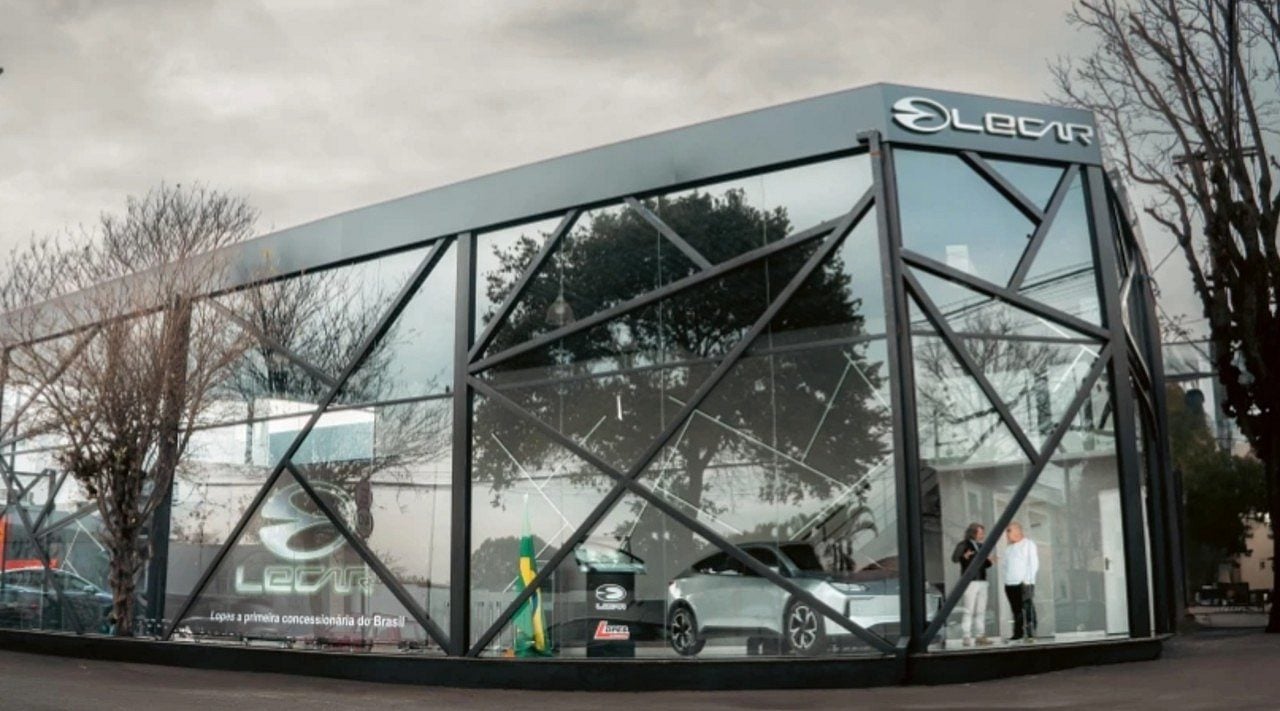
The Ministry of Development, Industry, Commerce and Services suspended Lecar’s qualification in the Mover Program. The measure has been in effect since May 1, 2026 and prevents the company from accessing tax benefits and financial credits provided for in the program. The Brazilian manufacturer, founded in 2022 by businessman Flávio Figueiredo Assis, did not present technical documentation relating to the execution of research, development and innovation projects in the calendar year 2024.
The ordinance formalizing the suspension was published on June 2nd. The text indicates that the company failed to deliver the Research, Development and Innovation Project Execution Report within the regulatory deadline. The sanction remains until Lecar resolves the issue by sending supporting documents.
Suspension affects access to federal program incentives
The Mover Program encourages investments in energy efficiency and new technologies in the automotive industry. Qualified companies gain advantages such as tax reductions and specific financing lines. With the suspension, Lecar is temporarily out of these mechanisms. The decision follows the provisions of Law No. 14,902, of 2024, which regulates the program.
Other companies also had their licenses suspended for the same reasons. Among them are Cummins Filtros, Simoldes, Nione and 3Sat Tecnologia. The MDIC requires rigorous proof of real contributions to R&D to keep companies in the incentive system.
- The suspension is retroactive to May 1, 2026
- Regularization depends on the submission of the pending 2024 report
- Tax benefits and credits are blocked until a solution is reached
- The measure follows an administrative process with the right to defense
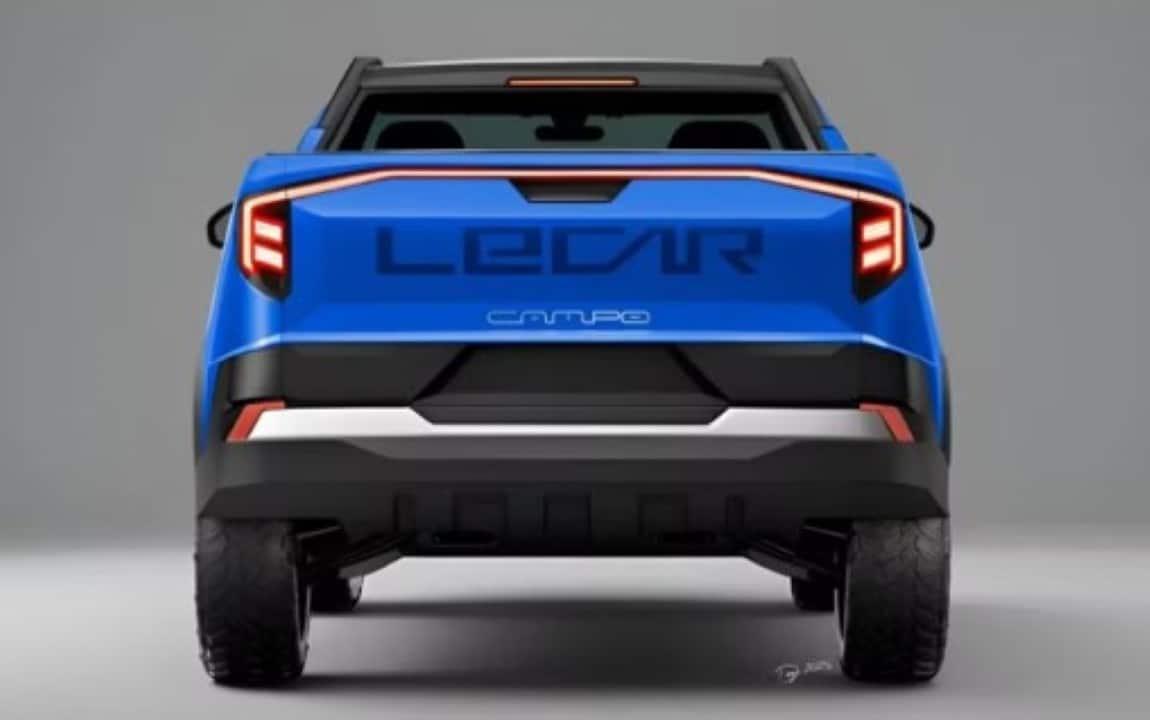
Lecar has not yet launched vehicles or started works on the factory
The brand plans two models: the 459 coupe and the Campo pickup, positioned as a rival to the Fiat Strada. Both exist only as mock-ups, visual simulations presented at events such as the 2025 Motor Show. The Campo pickup appeared as a prototype with Styrofoam parts. Recently, the company showed a more advanced version of the 459, with a painted body, definitive wheels and updated door handles, but without glass, seats or engine installed.
The promised factory in Sooretama, Espírito Santo, also did not get off the ground. The project envisages a complex of 90,000 m² of built area on 420,000 m² of land, with capacity for 120,000 vehicles per year and generating 1,300 jobs. To date, there are no confirmed investments or licenses issued for the start of works. The initial delivery forecast for mid-2026 was postponed.
The company states that the powertrain will be a flex hybrid, with a 1.0 turbo engine from Horse acting as a generator associated with an electric motor with 163 hp and 26.3 kgfm of torque. The traction would be electric and the promised autonomy would reach 1,000 km. None of the vehicles have been approved nor are they in production.
Company faces questions about sales model
In April, Lecar ended offering vehicles under the “Programmed Purchase” modality. The contracts provided for payment via invoices issued by the brand itself, with an announced value of R$159,300 for the models. The official page now informs that new conditions will be announced by the end of June. Authorities are investigating signs of irregular practices in the sales method adopted by the company.
Founder Flávio Figueiredo Assis has presented updates on the prototypes and promised advances in street testing. The brand maintains a website with information about the projects and seeks partnerships to facilitate production.
Impact on the national vehicle sector
The suspension occurs at a time of expanding incentives for the Brazilian automotive industry. Mover replaced previous programs and seeks to attract investment in more sustainable technologies, such as hybrids and electrics. The requirement for proof of R&D aims to ensure that the benefits reach companies with real commitments to technological development in the country.
Lecar presents itself as the first 100% Brazilian manufacturer of hybrid and electric vehicles. Its promised portfolio includes solutions with electric traction and combustion engines as a range extender. The lack of concrete deliveries so far contrasts with the initial ambitions announced since the foundation.
Technical details of the promised models
The mock-ups displayed show a robust design for the Campo pickup truck, with a double cabin and a focus on load capacity. The 459 coupe has received recent aesthetic updates, such as light blue metallic paint. The company highlights components such as LiFePO4 technology batteries and energy management systems.
Industry experts are following the case because the Mover license represents an important competitive differentiator for new entrants in the automotive market. Regularizing the documentation would allow Lecar to regain access to incentives and advance production plans.



