
Samsung confirms that the Galaxy S26 Ultra’s privacy screen reduces the visual quality of the display

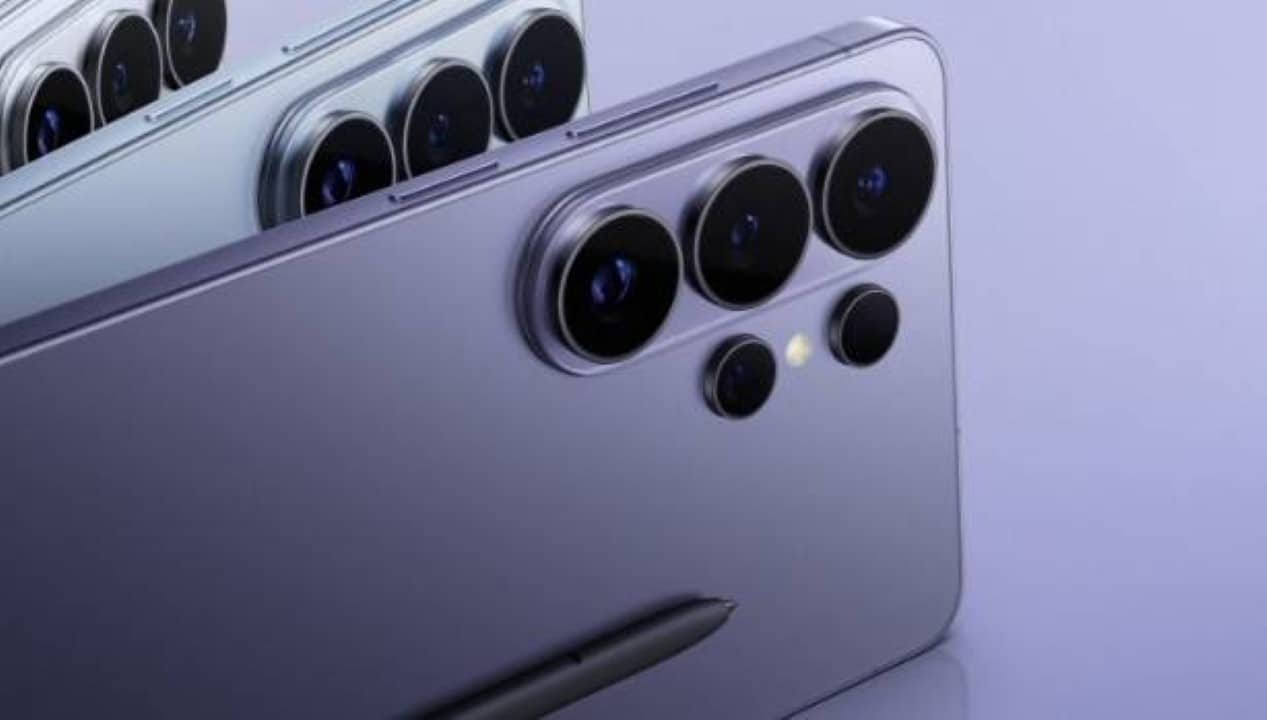
Samsung has officially confirmed that the implementation of the new privacy screen system on the Galaxy S26 Ultra results in a slight degradation in the device’s visual quality. The physical change in the panel blocks the side view of onlookers. The feature requires a complex restructuring of the device’s pixel matrix. Especialistas in technology and early buyers have already noticed differences in sharpness in direct comparison with the previous generation. The change affects the perception of clarity that has always marked the brand’s premium line.
The South Korean manufacturer had to add extra layers of hardware to control the passage of light in a directional way. The change affects the original setting even when the electronic lock function is completely disabled in the system. The company seeks to align the expectations of the consumer market in the face of initial criticisms about the texture of the image displayed. The brand’s current focus is to ensure rigorous data security in public and corporate environments. The decision reflects a new priority in the development of high-cost smartphones.
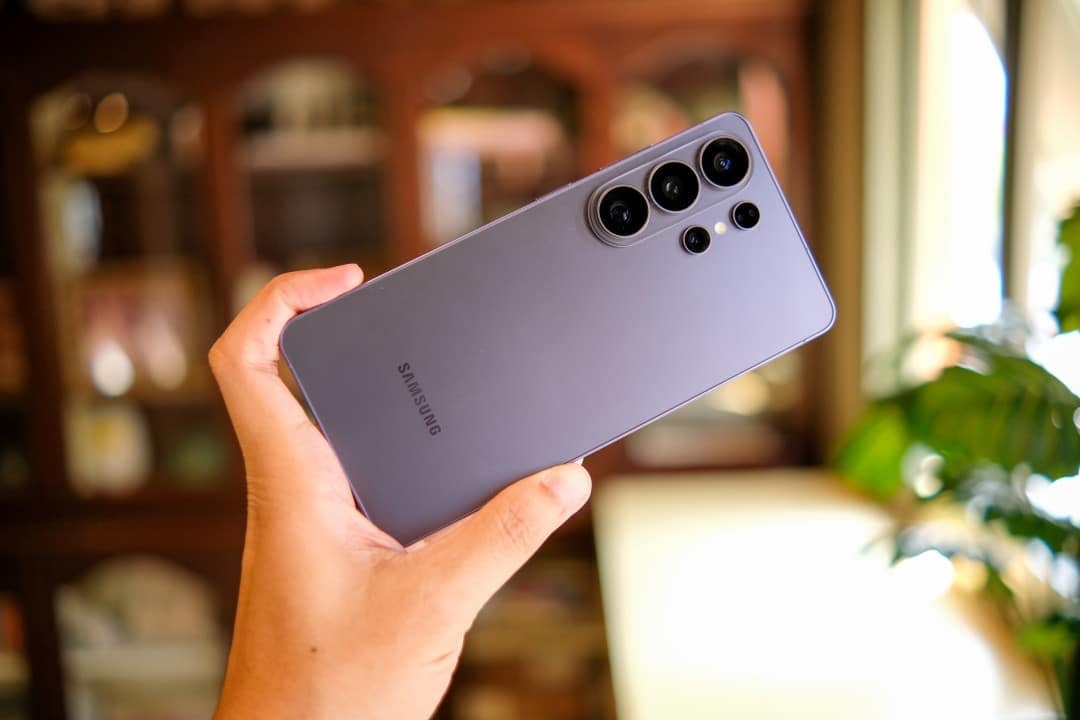
Alterações structural in panel matrix
The engineering behind the new top of the line prioritized user discretion over absolute visual purity. Samsung integrated a microscopic physical barrier directly into the liquid crystal and lighting layers of the display. The technological choice differs radically from conventional software solutions that only darken the operating system interface. The hardware now actively works to prevent unwanted viewing by people around you. Color fidelity has taken a small structural hit to ensure side blocking effectiveness.
Nas past generations, the absolute focus of development was the total transparency and dynamic range of the emitted light. The scenario changed completely with the introduction of the Privacy Display feature in the global market. The company reiterates that the practical security benefit outweighs the technical change observed in daily phone use. The Dynamic AMOLED panel has lost some of its characteristic clarity due to new internal filters. Light dispersion is no longer uniform across all viewing angles.
Recent laboratory Testes detailed the exact functioning of the new hardware implemented by the Asian manufacturer. The system acts as an electronic shutter invisible to the naked eye. Polarization restricts light output to those positioned directly in front of the cell phone. Precision locking requires slightly more energy consumption from the device’s battery. Maximum brightness needs to work at higher levels to compensate for the lower overall transmittance of the modified display.
Impacto in usage experience and practical testing
The change in quality is most evident in direct sunlight or at extreme screen brightness levels. The refraction of light in the inner layers creates a feeling of less sharpness to eyes trained in photography and design. The brand claims that the visual impact is negligible for the vast majority of users’ everyday tasks. Reading emails, typing messages and browsing social networks occur without practical losses. The internal design was optimized to maintain the luxury standard demanded by buyers of the Ultra line.
The independent technical evaluation revealed crucial points about the display’s behavior under stress. The subpixel structure of the Galaxy S26 Ultra presents an unprecedented organization in the mobile device industry. The matrix differs substantially from the arrangement used in last year’s Galaxy S25 Ultra. Privacy mode electronically turns off about half of the available pixels to instantly darken the side view. The device suffers noticeable chromatic variations when intentionally tilted by the user.
Existe a residual grain in the image that bothers technology enthusiasts. The effect was not present in previous generations that used pure panels without the security layer. The company needed to balance functional innovation with maintaining the historical technical superiority of its screens. The decision to sacrifice part of the gross performance indicates a change in attitude in the corporate development line. Protecting sensitive information in busy locations has become the project’s top priority.
Resposta from the manufacturer and recommendations for the consumer
Samsung monitors feedback from global customers through its technical support channels. The manufacturer openly recognizes the engineering challenges brought by innovation in security hardware. The goal of the Galaxy S26 Ultra is to be the most secure and complete productivity tool on the market today. The public admission of technical limitations serves as a clear effort at corporate transparency. The proactive stance avoids lawsuits due to false advertising or mass dissatisfaction on social media.
The company does not plan to carry out recalls or emergency changes to the production line in the short term. The hardware delivered meets the acceptable quality standards established by the brand’s headquarters. The official recommendation for users who work with professional photo and video editing is to use brightness at medium levels. This simple practice avoids thermal and chromatic distortions generated by the new panel at maximum power. Institutional communication focuses intensely on the benefits of security against visual eavesdropping.
The smartphone screen market has always sought absolute visual perfection with each new release. The growing demand for privacy in corporate environments dictates a new global hardware design trend. The manufacturer tests public acceptance for a technology that changes the visual DNA of its most expensive and coveted product. The commercial reception of the model will define the future of the resource in the coming years. Privacy Display could become an industry standard or remain an isolated experiment of this generation.
The future of technology and system updates
The brand’s engineering team is already actively working on a second version of the privacy screen for future releases. The main objective of the research is to reduce the thickness of the security layer without losing effectiveness. The current challenge involves reducing the diffraction of light that passes through polarizing filters. The physical phenomenon is mainly responsible for the loss of clarity reported by the device’s first owners. The evolution of hardware will require time, investment and a lot of research into new conductive materials.
Enquanto the new physical structure does not reach the market, the company is betting on digital corrections via updates. The latest software version promises to intelligently optimize the interface’s tone mapping. The contrast will be less influenced by the new physical construction after applying the correction algorithms. Image processing via artificial intelligence attempts to compensate for losses in light transmittance. The final result still presents measurable differences in the laboratory, but improves the perception of the common user.
The software optimizations sent by the manufacturer include specific adjustments for the new panel:
- Processamento Enhanced HDR to compensate for less physical light passing through.
- Text Renderização optimized to avoid shadow effects on bright white backgrounds.
- Ajuste automatic color temperature based on ambient light incidence.
- Calibração dedicated system to reduce graining effect at extreme angles.
The trajectory of the Galaxy S26 Ultra line continues to be marked by the introduction of disruptive technologies in the mobile segment. The privacy feature meets an urgent demand for security in the hyperconnected corporate world. The manufacturer’s honesty about the technical limitation strengthens the trust of the brand’s loyal user base. The high-end consumer values clarity about what to expect from the financial investment in the premium device. The evolution of the smartphone market has reached a level where improvements involve direct exchanges of functionality for raw performance.



