
Yamaha’s off-road model overcomes initial failure in the Japanese market and consolidates historic global success

The late 1980s represented a period of transition for the low displacement motorcycle market at Ásia. Sales of traditional models showed a significant drop. The industry was looking for alternatives to attract a new urban consumer profile.
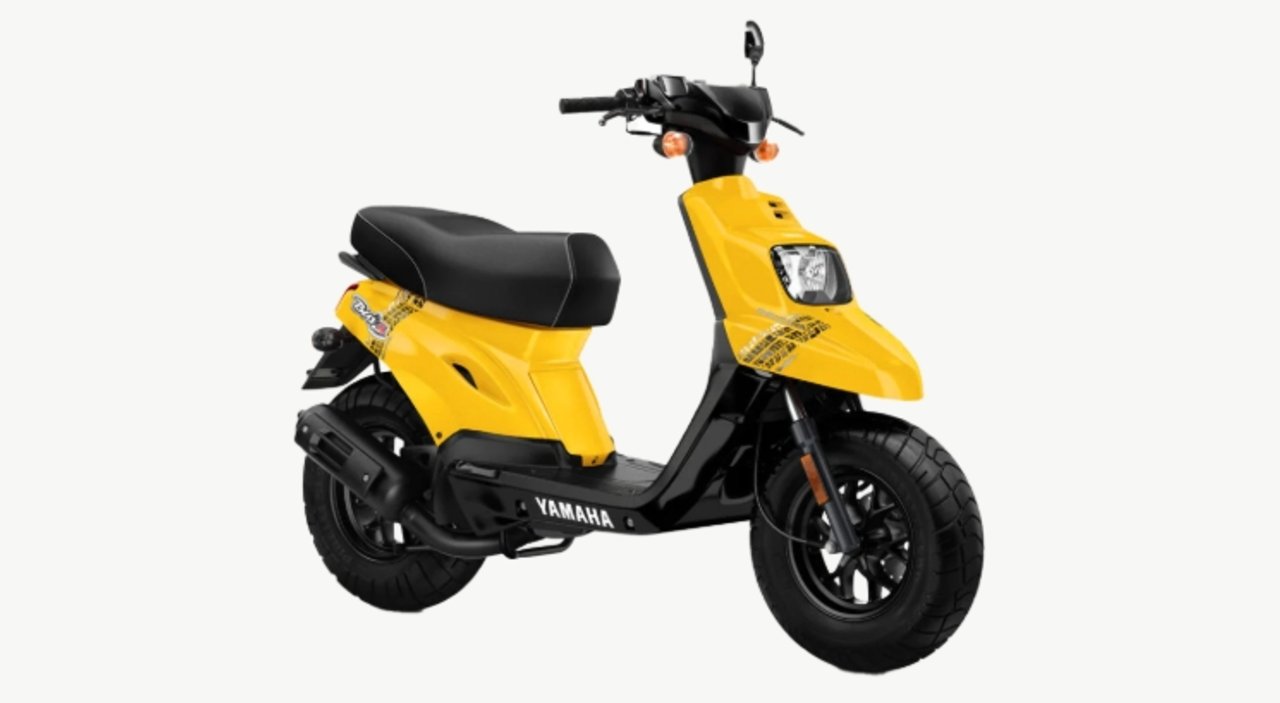
Nesse scene, Yamaha presented the BW’S in 1988. The vehicle had an aesthetic proposal that was radically different from the standards of the time. The automaker opted for a design inspired by dirt competitions, mixing urban practicality with adventure elements. The project faced strong initial resistance from local consumers and production was quickly halted at Japão. The model, however, found an unexpected path to longevity through export.

Ousadia visual and breaking paradigms in the Asian market
The BW’S design derived from the Japanese manufacturer’s internal tradition focused on vehicles with oversized wheels. The brand’s Engenheiros had already tested the concept on larger motorcycles during the first half of the decade. Modelos like the BW200 and BW80 attempted to revive the public’s interest in motorized leisure activities. Honda also explored this niche with Fat Cat, but neither initiative generated significant trading volume.
The development team changed the strategy for the new project. The concept called “Big & Wide” eliminated traditional balloon tires. The choice fell on wide compounds with pronounced spikes. Essa decision generated an aggressive visual impact on a chassis with reduced proportions. Apenas a month after its debut in dealerships, the brand introduced the Sports variant. Essa version swapped dirt tires for asphalt options, anticipating the biker trend that would dominate the market years later.
Technical innovations demonstrated the automaker’s ability to anticipate mobility trends. The Japanese consumer at the time, however, prioritized elegance and fuel economy in their daily commutes. The rugged appearance did not find resonance on the streets of Tóquio or Osaka. The headquarters considered the project a strategic error and made the manufacturing molds available to its international subsidiaries.
International Expansão and consolidation into Europa
The transfer of production changed the fate of the vehicle definitively. Yamaha’s branch in Taiwan took over manufacturing of the 100cc and 125cc variants. Simultaneamente, MBK started assembling the model on the European continent. The French subsidiary renamed the scooter Booster and adapted the technical specifications to meet strict local traffic laws.
The European market absorbed the proposal with immediate enthusiasm. The combination of sturdy chassis and simple mechanics attracted a young audience. The ease of customization turned Booster into a cultural phenomenon in countries like França. The vehicle surpassed the mark of three decades of continuous presence in European dealerships. The commercial success fully compensated for the losses recorded during the original launch on Ásia.
The durability of the mechanical assembly allowed the model to withstand severe use on uneven pavements. Entusiastas created clubs and events dedicated exclusively to customizing these units. The aesthetics that caused surprise in the Japão became the main selling point in the West. The manufacturer expanded the assembly line to meet the growing demand for spare parts and new models.
Características techniques that defined the segment
The original design architecture established parameters that influenced an entire generation of urban vehicles. Engineering focused on oversized components to ensure structural integrity.
- Wide Pneus with deep blocks guaranteed traction on unpaved terrain and gave it a unique visual identity.
- Conjunto dual front optics reinforced the rally motorcycle appearance and improved night lighting.
- Suspensão with an elongated stroke absorbed urban impacts more efficiently than its direct competitors.
- Compact two-stroke Motorização offered quick throttle responses in low-speed maneuvers.
- Estrutura tubular exposed at strategic points protected the plastic fairing against falls at low speed.
Esses elements distanced the product from the conventional options available in shop windows in past decades. The competition needed to review their catalogs to respond to the new demand for scooters with a sporty appeal. The merger of categories proved to be a commercial success in the long term.
Retorno to Japão and adaptation for modern mobility
International prestige motivated the head office to try to reinsert the product in its country of origin. The company imported batches of the Taiwanese version in 1998. The updated model had a light alloy front fork and a disc brake system on the front wheel. The volume of registrations remained below commercial expectations. The board opted for a second interruption in local sales.
Importadores independents maintained the flow of 125cc units to serve a specific niche of Japanese customers during the 2000s. Pent-up demand led to an official relaunch in 2012. The advertising campaign positioned the vehicle as a two-wheeled sport utility vehicle. The strategy worked and guaranteed that the most powerful version would remain in Japão stores until 2023.
The global presence of the original project remains strong through profound technology upgrades. The assembly line at Taiwan currently produces the Zuma 125 to supply the Estados Unidos market. The 2026 edition incorporates the Blue Core engine, focused on thermal efficiency and reduced emissions. The Canadá continues to sell the BWs 125 with a digital panel and LED lighting.
The most radical evolution occurred at MBK’s facilities at Europa. The French brand transformed the classic Booster into a line of fully electric vehicles. The new options utilize a clean drivetrain developed in-house by Yamaha. The wide tires and robust frame remain a legacy of the 1988 design. The energy transition ensured the survival of the adventurous concept for the coming decades.



