

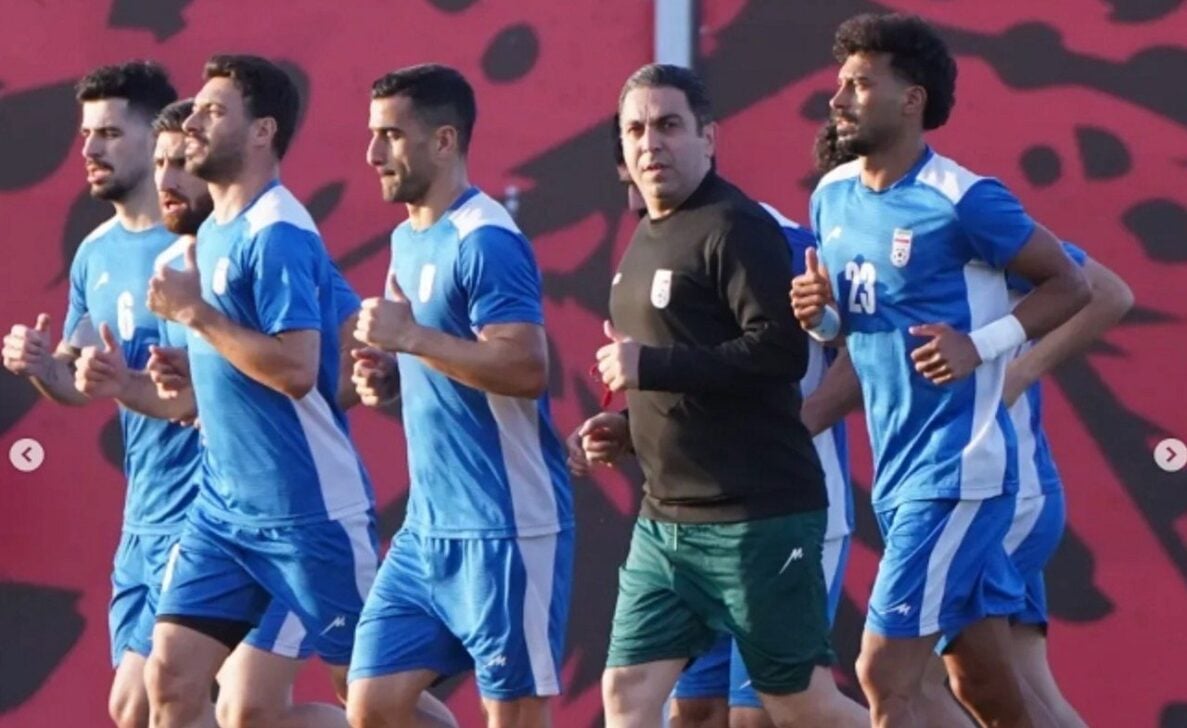
Iran’s national team held its first training session in Tijuana as part of its final preparations for the World Cup. The delegation landed in Mexican territory after a radical change in its original logistical planning. The group had initially established its training base in the city of Tucson, located in the state of Arizona, in the United States. However, the recent worsening of diplomatic tensions between the Iranian government and the American administration made it impossible for the athletes to remain in the neighboring country, forcing the immediate transfer of the entire technical structure to the municipality of Tijuana.
The strategic change imposed severe bureaucratic challenges that the local federation is racing against time to resolve before the start of the world tournament. To date, 15 members of the Iranian national team’s technical committee have not received the necessary immigration permits to enter United States territory. The absence of American visas for a significant portion of technical support generates apprehension behind the scenes, as it compromises the planning of performance analysis and assistance activities for players. Sports directors make contact with consular authorities in an attempt to unlock travel authorizations before the first official commitment in the competition.
Mexican National Guard provides armed escort of the delegation
The climate of international instability led the Mexican government to determine special protection for Iran’s players during the concentration period. Vehicles and armed officers from the National Guard carry out permanent monitoring of the hotel premises where the delegation is staying. The militarized corporation assumed direct responsibility for patrolling public roads and the perimeter of sporting activity sites. The operational security plan was structured by the military command of the Mexican Defense Secretariat to mitigate the risks of political incidents on the border.
The security operation monitors the movement of the delegation bus to all scheduled daily appointments in Tijuana. Scouts drive the vehicle with the athletes from leaving the concentration to the Club Tijuana training center, the location chosen for field activities. The route monitored by state forces aims to guarantee the integrity of football professionals amid the unstable geopolitical scenario. Tactical security planning in Tijuana presents the following main points:
- Continuous monitoring of the surroundings of the selection hotel by Army troops.
- Armed escort on land journeys between the hotel and the training center.
- Strict control of access to the technical committee’s tactical activity sites.
- Direct coordination under the responsibility of the Mexican Defense Secretariat.
- Creation of alternative emergency routes for travel to the border line.
Travel logistics foresees short journeys to Los Angeles
The geographic proximity between Tijuana and the west coast of the United States guided the choice of Iran’s new headquarters. The technical committee plans the travel schedule for the World Cup debut, scheduled for June 15, in the city of Los Angeles. The delegation must cross the border in rapid journeys of 230 kilometers in the early hours of the morning of the confrontation. The plan involves returning to the hotel in Mexico shortly after the end of the game, avoiding a prolonged stay in the neighboring country.
The road route between Tijuana and Los Angeles requires coordination with customs agencies in both countries to avoid delays in the sports schedule. Estimated travel time by land varies from three to four hours, depending on traffic conditions at border checkpoints. The Iranian directors opted for this dynamic to shield the cast from the environment of external pressure generated by the diplomatic crisis. The group prioritizes maintaining the training routine in Mexico, where the sports structure meets the criteria required by physical trainers.
National Guard replaces police forces in critical missions
The presence of the National Guard on the streets of Tijuana reflects the restructuring of public security promoted by the Mexican government. The institution was originally created with the aim of acting as a civil security force, occupying the space left by the former Federal Police in the fight against criminal organizations. Currently, the body operates under the administrative and tactical structure of the federal military command, reporting directly to the Secretary of Defense. The transfer of control increased the use of soldiers in missions involving foreign delegations and international events.
Iran’s athletes and members of the technical committee remain focused on field work despite the intense movement of vehicles around the accommodation. The coach commands closed tactical activities to adjust the positioning of the team that will take the field in the opening round. The training schedule in Tijuana remains unchanged, with daily sessions in two periods at the local training center. The Iranian Football Federation has not officially commented on the problems faced with issuing visas to technical assistants.