

This Tuesday, NASA named the crew of Artemis III, the next manned mission in the program that seeks to return humans to the Moon. The team is made up of four astronauts, all men: commander Randy Bresnik, pilot Luca Parmitano, from the European Space Agency, and mission specialists Frank Rubio and Andre Douglas.
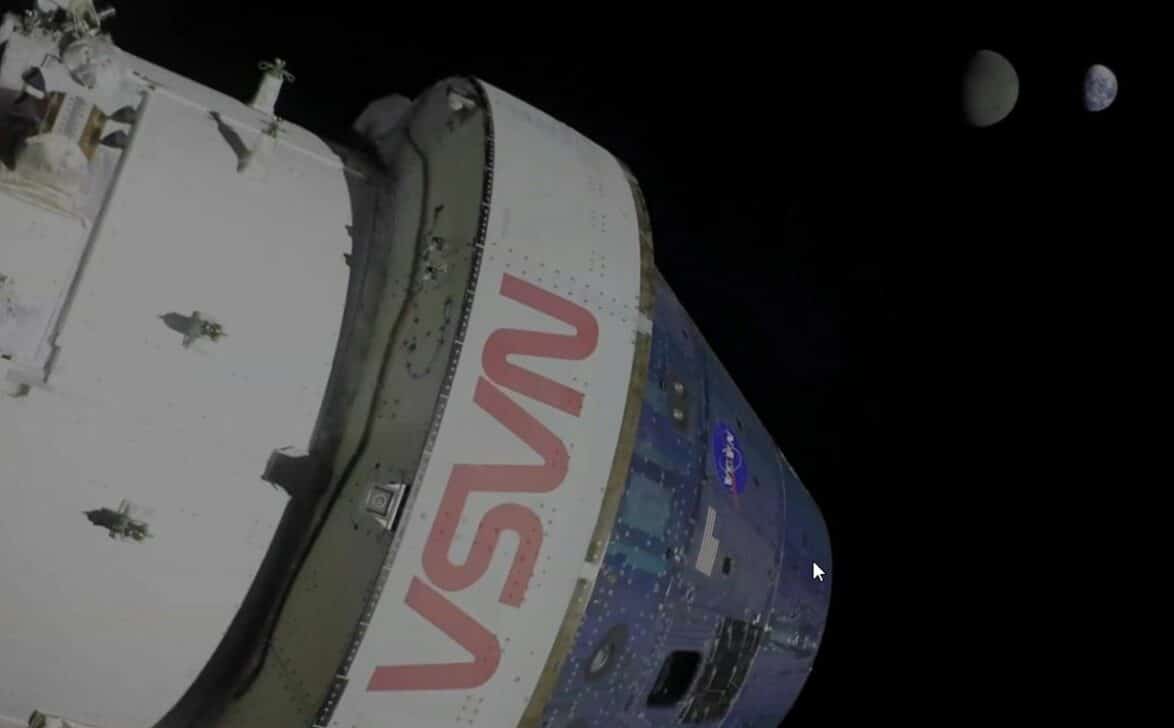
In April, Artemis II sent four astronauts — Reid Wiseman, Victor Glover, Christina Koch and Jeremy Hansen — to the vicinity of the Moon for the first time in more than half a century.
That mission was also historic due to the composition of the crew. Glover was the first black man to fly close to the Moon, and Koch, the first woman. Jeremy Hansen, the fourth member, was the first Canadian.
The Artemis III astronauts, named by NASA this Tuesday, will be Randy Bresnik, Luca Parmitano, Frank Rubio and Andre Douglas. Douglas is black, Rubio was the first astronaut of Salvadoran descent to go to space and Parmitano, an Italian, is the first representative of the European Space Agency on an Artemis program mission. But there are no women on the crew.
“I don’t think anyone should get this wrong,” NASA administrator Jared Isaacman said at a press briefing following the Artemis III announcement. The agency “put the best astronauts to carry out and complete mission objectives.”
He did not detail the selection process, but added that the last class of astronaut candidates initiated by NASA had more women than men.
NASA had already committed to taking the first woman, the first black person and the first non-American to the lunar surface. But it removed that promise from its website weeks after the Trump administration began a federal crackdown on diversity, equity and inclusion initiatives in early 2025.
Artemis III will launch the four astronauts from the Kennedy Space Center in Florida aboard the Orion spacecraft on the SLS (Space Launch System) rocket. Following verifications of Orion’s systems, the spacecraft will demonstrate, for the first time, rendezvous and docking capabilities with test versions of one or both of the human lunar landing systems in commercial development by Blue Origin and SpaceX.
This highly choreographed mission includes a multiple launch campaign of the world’s most powerful rockets, testing integrated hardware between Orion and the landers, including systems interfaces, software, propulsion and communications.
The crew’s duties are as follows:
- NASA astronaut Randy Bresnik, commander
- ESA astronaut Luca Parmitano, pilot
- NASA astronaut Andre Douglas, mission specialist
- NASA astronaut Frank Rubio, mission specialist
As part of Tuesday’s event, NASA astronaut Bob Hines was named a reserve crew member. The team will immediately begin training on Orion systems, as well as assisting with the development and operations of test versions of Blue Origin and SpaceX landers.
“Today we take another bold step in humanity’s return to the Moon, building on the extraordinary foundation laid by the Artemis II astronauts,” said Administrator Jared Isaacman. “Their achievements have reignited global excitement for exploration, and now they pass the baton to the Artemis III team, Randy, Luca, Frank and Andre.”
This is also the first time that an ESA astronaut has been assigned to an Artemis mission.
Artemis III will push the limits of in-orbit spacecraft operations. Luca’s designation as pilot reflects the depth of European expertise in manned flight and builds on his extensive operational experience in high-pressure situations, according to ESA Director General Josef Aschbacher.
Mission in progress
NASA and its partners are making progress in preparing for the test flight. Engineers will connect Orion’s crew module and service module this summer and integrate the spacecraft’s docking system, which will fly for the first time.
Rocket processing is also well advanced. SLS technicians integrate the engine section with the rest of the core stage before installing the four RS-25 engines this summer.
Blue Origin is developing a manned lunar version of its Blue Moon lander, while SpaceX is working on a manned lunar version of its Starship. Both companies build test articles for Artemis III.
In addition to status updates from NASA and commercial partners, the agency discussed details about planned operations for Artemis III, which will support a greater pace of missions, increase production and drive improvements in the Artemis program supply chain.
The Artemis III mission builds on the successful Artemis II flight completed in April and will help the agency prepare to send the first American astronauts to the Moon at the South Pole in 2028 with Artemis IV, paving the way for crewed missions to Mars.