
The Brazilian team’s journey towards the long-awaited six-time championship already has dates, locations and opponents defined for the first phase of the 2026 World Cup. The tournament, which will be jointly hosted by the United States, Mexico and Canada, marks a historic change in the format of the competition organized by FIFA. Brazil heads Group C and will face a route focused exclusively on cities on the American east coast. This privileged logistics avoids the strain of long trips during the first commitments of the championship, a crucial factor in a country of continental dimensions.
The pressure for positive results is immense, considering the lack of world titles that has lasted since winning in Asia in 2002. The draw placed the South American team against opponents from three different confederations, requiring tactical versatility to overcome different football schools. Staying in the same geographic region throughout the group stage is considered a behind-the-scenes victory, allowing the coaching staff to establish a fixed and comfortable operational base for the athletes.
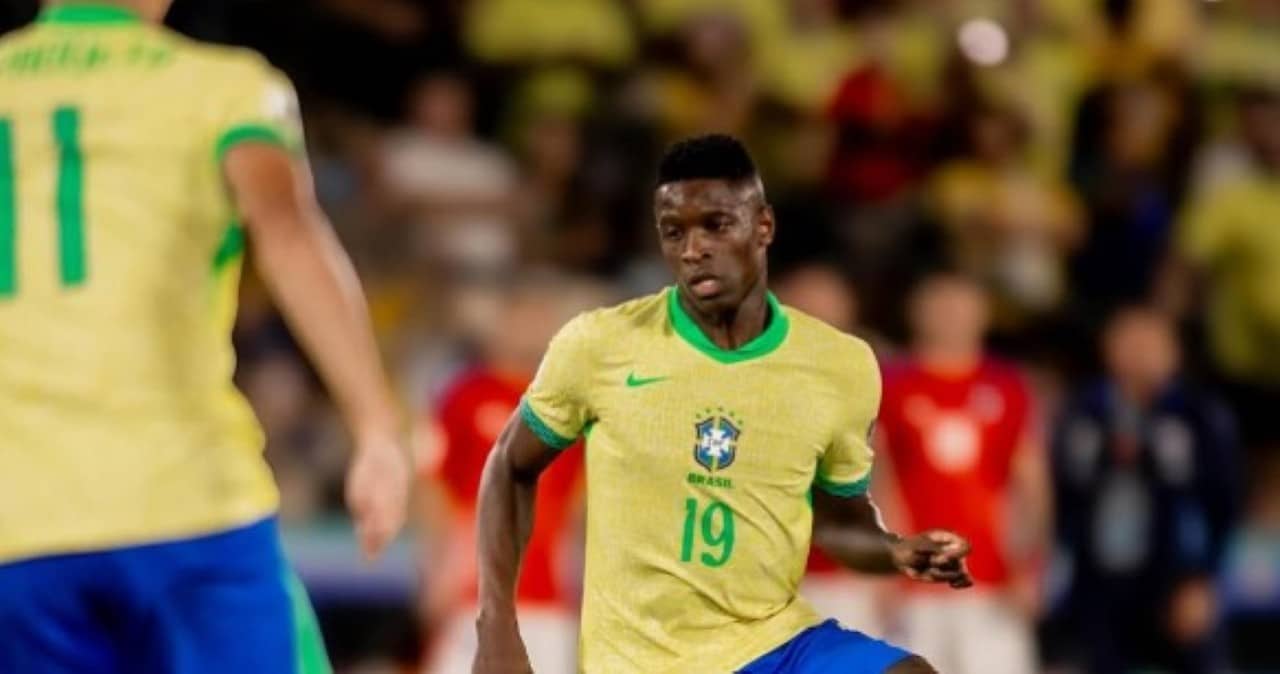
Opens against African sensation in the New York region
The national team’s first challenge takes place on June 13, 2026, a Saturday, with the ball rolling at 7pm Brasília time. The venue for the inaugural match will be the New York metropolitan region, one of the main sporting and financial centers in the United States. The opponent will be Morocco, a team that made history in Qatar by becoming the first African nation to reach a World Cup semi-final. This initial clash demands maximum attention, as the Moroccans maintain a solid base, with players playing in the main European leagues.
Starting the campaign against the theoretically strongest opponent in the group forces the coaching staff to prepare the team for a high level of intensity from the first minute. A victory in the debut usually dictates the squad’s confidence pace for the rest of the tournament, in addition to relieving external pressure from fans and the press. Historically, Brazil has a good record in debuts, but facing a team with a strong defensive system and quick transitions will require a lot of creativity from the offensive sector.
Sequence against Haiti in the city of Philadelphia
Six days after the clash against the Africans, the Brazilian delegation travels to Philadelphia, in the state of Pennsylvania, for the second match of the tournament. The game against Haiti is scheduled for June 19th, a Friday, at 10pm Brasília time. The duel against the Concacaf team represents a return to official competitions after Brazil’s 7-1 defeat in the Copa América Centenário, also played on American soil in 2016.
The spacing of almost a week between the first and second rounds provides valuable time for physical recovery and tactical adjustments at the training center. In short shooting competitions, having extra days of rest is a considerable competitive advantage, especially after a debut that promises to be tense. The expectation is that, depending on the result in the first game, the coach can use this match to consolidate the goal difference, a tiebreaker that often defines the leadership of the group in World Cups.
End of the group stage in the Florida heat
The last match of the first phase will take place on June 24th, a Wednesday, again at 7pm Brasília time. Brazil will face Scotland in the city of Miami, Florida, a place known for its strong presence of Brazilian immigrants and tourists. The clash against the Europeans brings to mind the opening game of the 1998 World Cup, when the South Americans won 2-1 in France, starting the campaign that would culminate in runner-up in that edition.
Miami’s hot, humid climate at the end of June will require specific physical preparation from the delegation’s medical and physiology department. Closing the group stage in an environment with strong support in the stands, creating a home game atmosphere, could be the boost needed before the knockout stages begin. The logistics designed by the organization allowed the selection to be restricted to a single climate zone at this stage, facilitating the adaptation of athletes who work in the European winter.
Favorable logistics and the new format of the FIFA tournament
The 2026 edition will go down in history as the largest ever, expanding the number of participants from 32 to 48 teams from all continents. This structural change brought the total number of championship matches to 104, distributed between the opening game on June 11th and the grand final scheduled for July 19th. With the new regulations, the top two in each group, in addition to the eight best third-placed teams, advance to an unprecedented round of 16 stage.
This means that, to lift the cup, the champion team will need to play eight matches, one more than in the traditional format used between 1998 and 2022. The concentration of Brazil’s games on the American east coast during the initial phase is a huge strategic advantage. While other keys will require long flights crossing the borders of Canada and Mexico, as well as trips to the west coast of the United States, Brazilians will have short and quick journeys.
To facilitate planning and monitoring for fans, the schedule for the first phase was structured with accessible times for the South American public. The official table details the following national team commitments:
- June 13, 2026 (Saturday), at 7pm: Brazil against Morocco, in New York.
- June 19, 2026 (Friday), at 10pm: Brazil against Haiti, in Philadelphia.
- June 24, 2026 (Wednesday), at 7pm: Brazil against Scotland, in Miami.
The prior definition of the entire route allows the Brazilian Football Confederation to organize the choice of hotels and training camps in advance. The focus now turns to the continuous monitoring of athletes at their respective clubs around the world. The main objective is to ensure that the players called up reach the month of June in the best physical, technical and mental conditions to face the challenge of seeking a sixth world title.
