

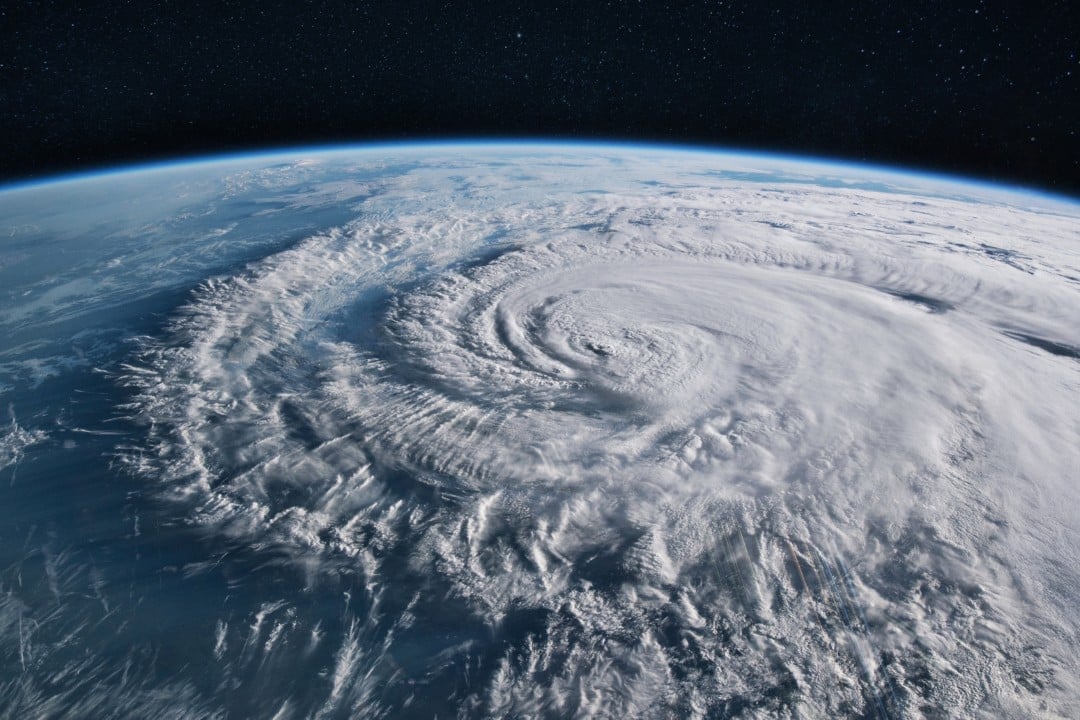
Meteorologists at the National Hurricane Center (NHC) identified this Wednesday, June 10, the first area of interest for the 2026 Atlantic hurricane season. The disturbance is located in the Bay of Campeche, in the Gulf of Mexico, and originates from the remnants of Tropical Storm Cristina, which acted in the Pacific.
Despite being the first sign of activity, the chances of significant development are low. Unfavorable conditions, such as strong wind shear, dry air and Saharan dust, are expected to prevent the formation of an organized tropical system in the coming days.
Low probability of evolution
The NHC forecast indicates only a 10% chance of a tropical cyclone forming in the next seven days. A weak trough or center of low pressure could emerge from the Yucatan Peninsula and bring heavy rain and winds to the west-central Gulf until Sunday, but without a direct threat to the United States. The impacts are expected to be concentrated in intense rains in eastern Mexico.
Predicted season below average
This first disturbance fits into the broader scenario outlined by NOAA. In May, the agency predicted a below-normal season for the Atlantic, with a 55% probability. The expectation is for 8 to 14 named storms, 3 to 6 hurricanes and 1 to 3 major hurricanes — numbers lower than the historical average of 14 storms, 7 hurricanes and 3 major hurricanes.
The possible El Niño, combined with other atmospheric factors, contributes to this calmer situation. Experts highlight that, even in years of reduced activity, a single system can cause major damage, so preparation remains essential.
What to expect from the rest of June
The month should remain relatively calm in the Atlantic, with the Pacific presenting greater potential for tropical development. The NHC will continue to monitor the evolution of low pressure in the Bay of Campeche, but there is no indication that it will become the first named storm of the season — which, if it occurred, would be named Arthur.