

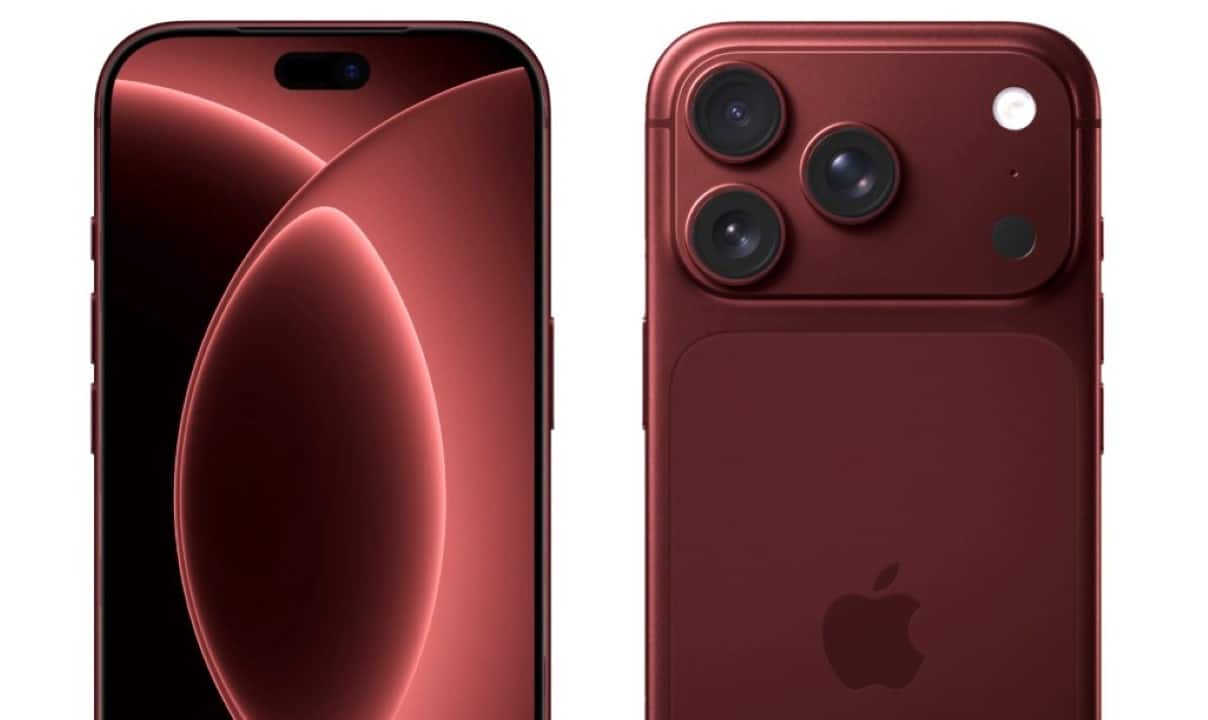
Apple confirmed the arrival of a profound redesign for its line of high-cost smartphones with the announcement of the iPhone 18 Pro. The device, designed at the company’s headquarters in Cupertino, abandons the traditional aesthetics of recent generations to adopt a completely transparent rear panel. This change exposes the device’s internal components, requiring an unprecedented level of finishing on the motherboard and power modules. The expected arrival in stores around the world is set for September 2026.
Materials engineering and the return to the translucent look
The decision to reveal the interior of the equipment refers to the historical strategy used by the brand in the late 1990s with the iMac G3 computer, but now applied to extreme mobility. To avoid visual wear, the manufacturer developed a reinforced glass alloy subjected to an exclusive chemical treatment. This laboratory process prevents the material from yellowing, a common flaw in polymers and glass exposed to constant sunlight. The composition also increases resistance against severe impacts and everyday scratches.
The chassis that supports this glass structure uses aerospace-grade titanium, ensuring reduced weight without sacrificing the rigidity of the assembly. The union between the machined metal and the transparent panel required the creation of a specific industrial adhesive for this generation. The chemical sealant protects the interior of the smartphone against the infiltration of water and dust particles, maintaining the resistance certifications required by the premium market.
High-efficiency power and thermal control architecture
The power supply received a significant upgrade with the integration of a 5200 mAh battery. This volume represents a direct competitive advantage against Asian manufacturers that were already exploring similar capabilities, but in considerably thicker devices. The design team achieved this energy density by restructuring the layout of the internal cells, taking advantage of every millimeter of the chassis.
The exposure of the hardware brought an additional obstacle related to the dissipation of heat generated during intense use. The solution found by engineers involves the installation of graphene plates and a redesigned vapor chamber system. This thermal mesh silently removes high temperatures from the central processor, preserving the integrity of the rear glass and comfort in the user’s hands.
Display expansion and under-screen biometrics
The physical size options have undergone precise adjustments, delivering 6.3 inches in the standard Pro model and 6.9 inches in the larger version. The refinement of the frames around the OLED panel expands the user interaction area without increasing the overall dimensions of the equipment. This gain in front space optimizes the consumption of videos and the reading of long texts.
The most anticipated change in the front interface is the transfer of the brightness and facial recognition sensors to the lower layer of the display. Optical engineering managed to make infrared light pass through the pixel matrix without losing accuracy in reading the owner’s face. The technological advance works instantly in dark environments or in direct sunlight.
The displacement of these components resulted in a 35% decrease in the top cutout of the screen. The freed area now displays more notification icons and operating system information continuously. The panel’s maximum brightness has also been increased to make it easier to view content outdoors during the day.
Two-nanometer processor and native artificial intelligence
The processing engine of the new smartphone is based on a chip built using 2-nanometer lithography. Extreme miniaturization of transistors reduces power consumption while multiplying the ability to perform complex calculations. The component has cores dedicated exclusively to running artificial intelligence algorithms locally, eliminating the need for constant connection to external servers.
The fluid functioning of these language and image generation tools requires a robust memory backup. Apple increased the device’s RAM memory to 12 GB, setting a new standard for the line. The technical specification allows simultaneous translation of conversations in real time and the maintenance of multiple heavy applications open in the background.
Adaptive optical system and satellite communication
The rear camera set incorporates a variable aperture mechanism in the main lens, a common feature in professional photographic equipment. The technology physically adjusts the light input according to the ambient lighting, improving background blur in natural portraits. Sharpness in night photographs also presents a leap in quality with the reduction of digital noise in low-light scenarios.
The lenses received an unprecedented optical coating to block reflections caused by streetlights or car headlights during night recording. Optical zoom uses a new refraction prism that stabilizes the image more aggressively at long distances. The image signal processor applies color and white balance corrections through artificial intelligence at the exact moment of capture.
The device’s network infrastructure advances with a satellite communication module capable of transmitting voice and compressed multimedia files, surpassing the previous limit restricted to emergency text messages. The manufacturer also removed the physical drawer for operator chips, consolidating the transition to the virtual format. Structural changes to the assembly line include:
- Aesthetic and functional redesign of the entire motherboard for display.
- Implementation of new high-resistance metal alloys in the chassis.
- Integration of advanced thermal dissipation systems with graphene.
Mass production and commercial positioning
Factories located in Asia have already started calibrating their machinery for large-scale production of the new parts. Machining titanium and manufacturing 2-nanometer chips requires microscopic precision equipment. The logistical schedule aims to ensure sufficient stocks for the simultaneous global launch.
The retail value of the equipment must reflect the high research costs involved in creating clear glass and internal restructuring. The strategy positions the product at the top of the telecommunications market pyramid. The commercial focus remains on consumers seeking the highest level of hardware innovation and unique design.