

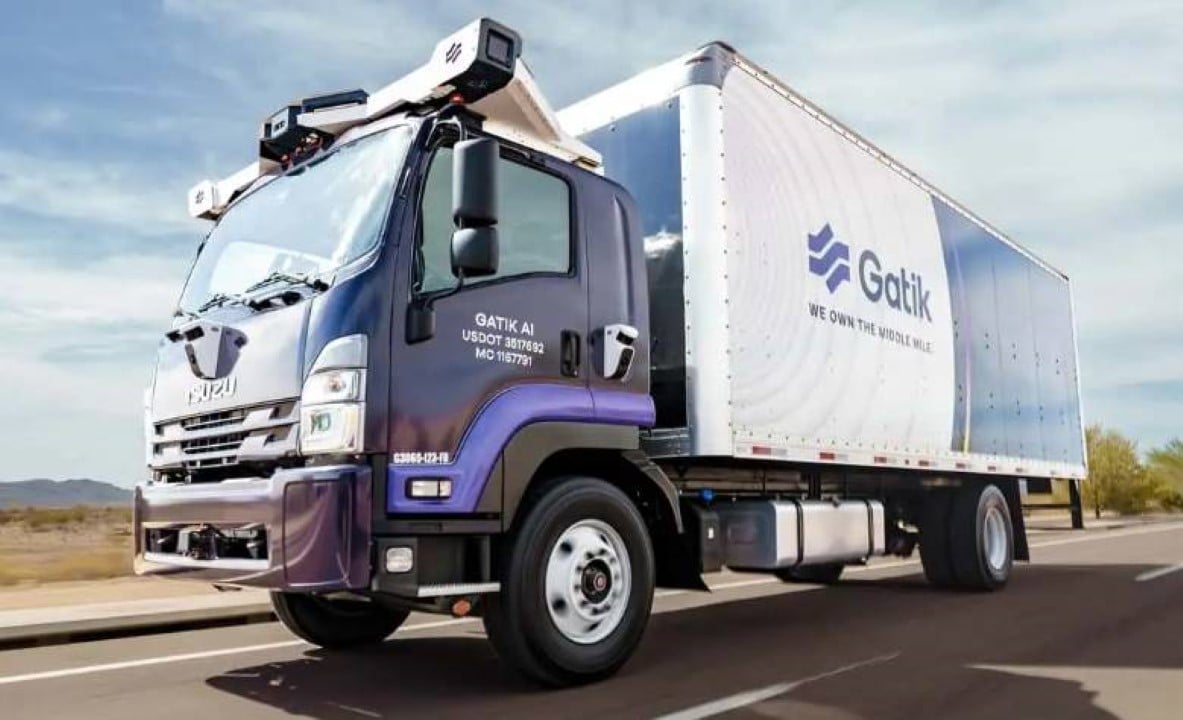
PepsiCo started using autonomous trucks to transport soft drinks, snacks and other products on regional routes in the United States. The multi-year partnership with startup Gatik represents the largest commercial deployment of autonomous freight to date, with vehicles already operating driverless in three states.
Isuzu trucks equipped with Gatik technology are currently on the road in Texas, Arizona and Arkansas. There are 41 vehicles in total: 35 in Arizona, five in Texas and one in Arkansas. The fleet is expected to grow in the coming months, integrating into the American giant’s food and beverage supply chain.
Strategic partnership accelerates automation in logistics
The collaboration between the companies began in 2022 and is now gaining scale with the new agreement. Autonomous trucks make medium-sized deliveries, connecting factories to distribution centers and, in some cases, from warehouses to retail stores like Walmart and Dollar General. PepsiCo employees receive and unload vehicles at final points.
According to Gatik, trucks operate on repeatable routes, which allows the system to learn and improve over time. This includes highways and urban streets, with sensors such as cameras, radar and lidar for safe navigation.
Performance and reliability exceed expectations
One of the main benefits is punctuality. Gatik’s autonomous fleet for PepsiCo records more than 98% on-time deliveries, a rate higher than that of many operations with human drivers, especially during peak periods or lack of qualified labor.
Jim Farrell, senior vice president of supply chain at PepsiCo, highlighted that repetitive routes allow vehicles to become more efficient with each trip. Technology helps reduce variability, increase capacity and improve customer service without major changes to the existing operation.
Added value: what changes in practice for the sector
This deployment marks a concrete step forward in mid-sized freight automation, unlike isolated tests or limited operations. By integrating dozens of trucks into one of the world’s largest supply chains, PepsiCo demonstrates full-scale commercial viability and could influence other retail and logistics giants to adopt similar solutions to address driver shortages and rising costs.
Technology and security in everyday life
The vehicles maintain the conventional cabin layout, with steering wheel and air conditioning, but have internal screens that display images from external cameras. They are powered by combustion engines and designed for reliable daily operations, prioritizing safety in mixed highway and city environments.
The initiative reinforces the movement of companies to make logistics more resilient, efficient and responsive to the volatile demand of the consumer market.