

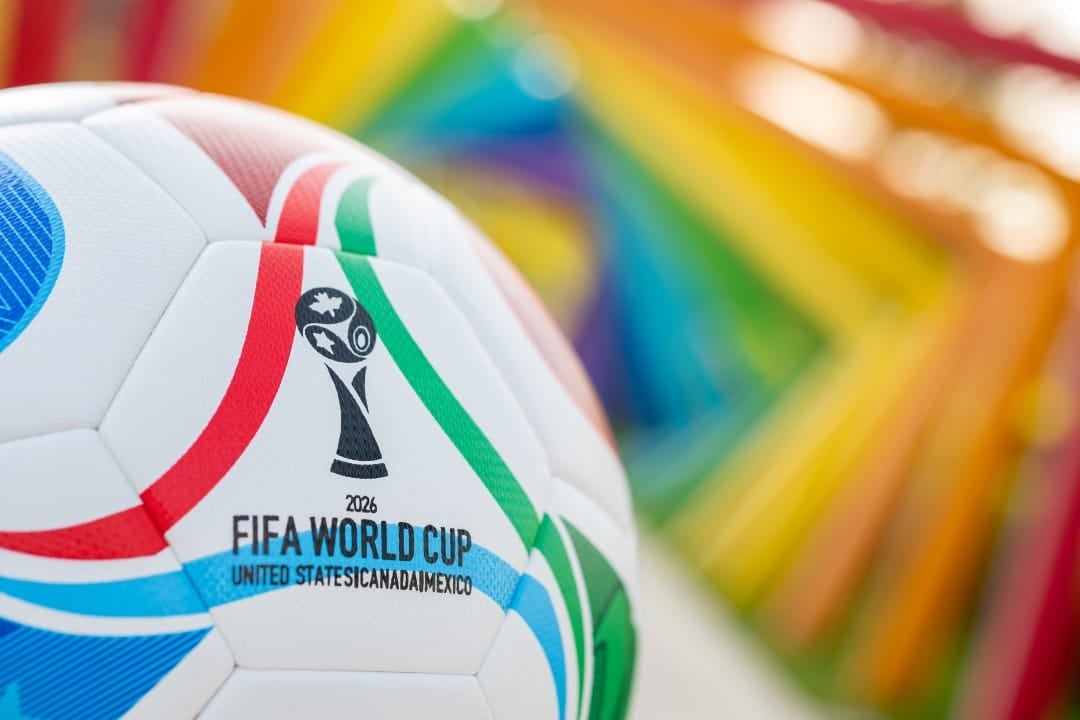
The 2026 World Cup starts this Thursday (11), at the Azteca Stadium, in Mexico City. The host country hosts the opening game between Mexico and South Africa, in the first round of Group A, at 4pm (Brasília time).
The tournament, expanded to 48 teams and 104 matches distributed between Mexico, the United States and Canada, arrives with a scenario of great expectations, but also of controversies. The Azteca, which hosted openings in 1970 and 1986, becomes the first stadium to host three World Cups.
Opening ceremony brings together international attractions
Before the kickoff, a ceremony is planned with artists such as Maná, Shakira, J Balvin, Burna Boy and other names in Mexican and international music. FIFA organized opening events in each of the three host countries.
Mexico arrives as favorites in the clash against South Africa. The local team, led by Javier Aguirre, is looking for a good result at home after a good performance in the Concacaf qualifiers. Bafana Bafana, in turn, replay the opening game of the 2010 World Cup, when they drew with Mexico.
Migration restrictions and tensions with Iran
One of the main controversies involves United States immigration policies. With Donald Trump as president, the Iranian delegation faced difficulties obtaining visas. Part of the coaching staff was denied entry, which forced the team to concentrate training in Mexico and only travel to matches in American territory.
Iranian players received authorization, but the case generated criticism and accusations of discrimination. Fans from other countries also reported similar problems, expanding the debate about the impact of migration measures on the tournament.
Protests and security in Mexico
In Mexico City, teachers stage protests that raise concerns about traffic and safety near Azteca. The government reinforced the security scheme with thousands of agents, but protesters promise to continue their actions for better working conditions.
High ticket prices, which reach prohibitive prices for many Mexicans, also generate dissatisfaction. The final could cost up to US$32,000, according to reports.
What changes for football
The 2026 edition is the biggest in history and tests the organizational capacity of three countries at the same time. Success or problems can influence future applications and the format of major events. Despite the controversial previews, the focus now turns to the field, with Mexico looking to celebrate at home.