
Demand for games on the scale of GTA 6 will drive generative AI, says Stranger Than Heaven director

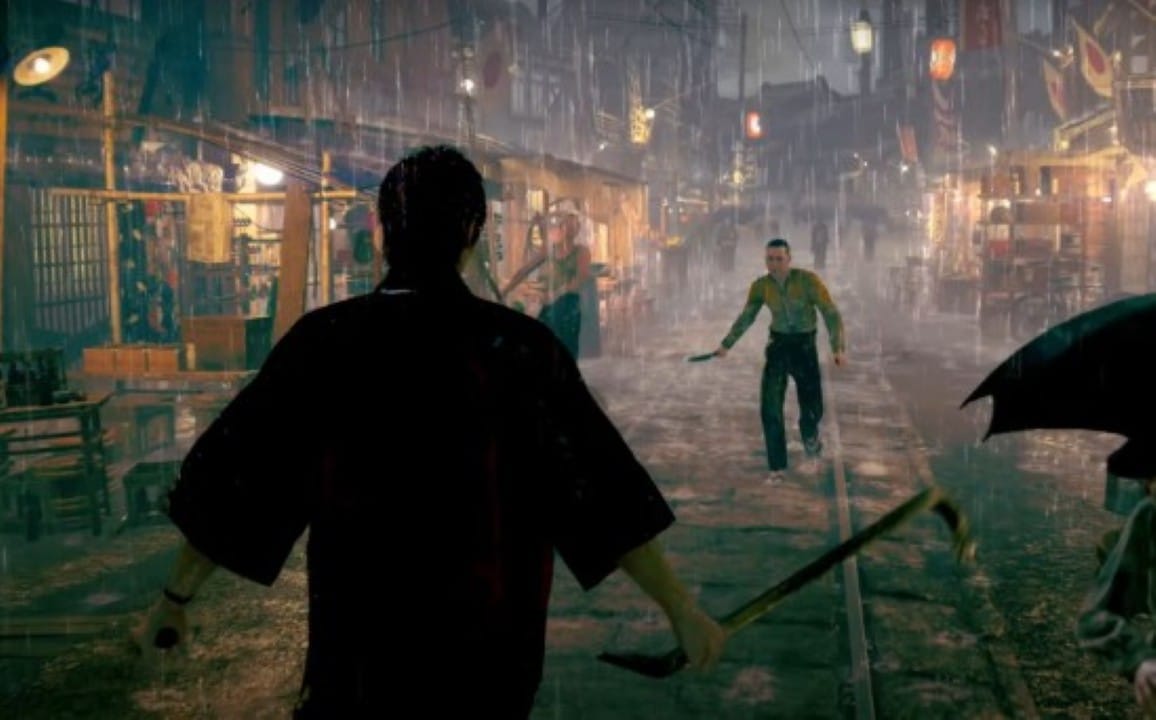
Advances in generative artificial intelligence will only be widely adopted in the video game industry if the consumer public begins to demand productions of the magnitude of the highly anticipated *Grand Theft Auto 6*. This is the vision of Andrew Shouldice, director of the game *Stranger Than Heaven* and creator of the praised *Tunic*, about the future of technology in the digital entertainment sector. Shouldice believes that the motivation to invest in AI at scale will come from the need to meet expectations of vast and complex worlds.
The creator’s vision of artificial intelligence in games
For the independent developer, the decision to implement generative AI tools in games, especially those with the potential to shape entire narratives and environments, is directly linked to player appetite. If the gaming community truly demands experiences that rival the depth and scope of a title like *GTA 6*, the industry will be forced to explore AI as a way to enable such productions. This perspective indicates that technological innovation can be driven more by market demands than by simple technical capacity.
The current scenario of AI in game development
Currently, artificial intelligence already has several applications in game development, although in a different format from the “generative AI” that is under discussion. Tools are used to create non-playable character (NPC) behaviors, for procedural generation of maps and items, and for graphics optimization. However, generative AI, which promises to create autonomous content such as dialogue, stories and even visual art, still faces significant barriers and ethical and artistic discussions.
AI challenges and opportunities in the production of major titles
The use of generative AI in large-scale productions, such as those desired by the director, presents a complex range of challenges and opportunities for studios.
- Cost and Time Optimization:AI can potentially speed up the creation of assets and environments, reducing some of the repetitive work and costs associated with huge teams.
- Scale Expansion:It is possible to dream of even larger and more detailed worlds, with a volume of content that would be impossible for humans to produce in realistic time frames.
- Maintaining Artistic Coherence:The great difficulty lies in ensuring that AI-generated content maintains the artistic vision, quality and narrative cohesion that define a successful game.
- Ethical and Copyright Aspects:The debate over authorship, originality and the eventual replacement of human work by algorithms remains a sensitive point with no consensus in the industry.
The debate about the future of creativity in the games industry
Shouldice’s discussion reflects a broader picture of uncertainty and expectation within the gaming industry about artificial intelligence. Many developers express concern about standardization and the loss of the artistic “soul” that a human touch provides. Others see AI as a tool to free creators from mundane tasks, allowing them to focus on more innovative and complex aspects of design. The role of AI in the future of video games, therefore, may depend both on the technology itself and on how the community, developers and players, will decide to use it and what experiences it will value.




