
Hair loss in young women is increasing in clinics and requires early diagnosis

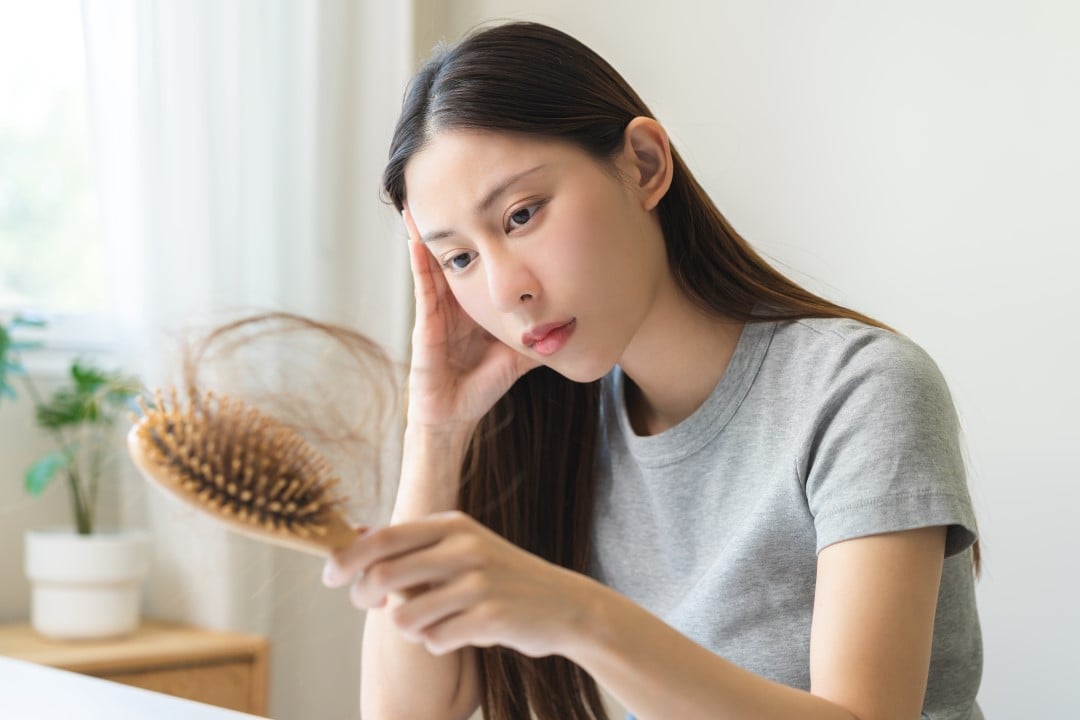
Concern about hair loss among younger women is becoming a recurring theme in clinics specializing in hair health. Unlike what happened in the past, when the problem was predominantly linked to advancing age, a high incidence is currently observed in the age group between 25 and 35 years old, reflecting a complex scenario driven by factors such as the contemporary pace of life, hormonal fluctuations and nutritional deficiencies.
As highlighted by dermatologist Mariana Scribel, with a focus on trichology, early identification of the problem is crucial to stopping the progression of hair weakening and optimizing the possibilities of restoring hair density.
Understand the elements that contribute to hair loss
Various circumstances can lead to hair becoming fragile and falling out. The doctor explains that “constant stress, lack of adequate rest and exhausting working hours are capable of causing telogen effluvium, a condition characterized by the early interruption of the hair growth stage, resulting in widespread and more pronounced loss a few months after the initial event.”
Often, unbalanced diets or excessively strict weight loss plans can lead to nutrient deficiencies, favoring hair loss. Mariana Scribel warns that “nutritional deficiencies are commonly linked to this scenario, mainly the lack of iron (ferritin), vitamin D and zinc, vital elements for the proper functioning of the hair growth cycle. The absence of these components can reduce the density and thickness of the hair over time.”
The expert points out that certain conditions, such as polycystic ovary syndrome (PCOS), can increase androgen levels in the blood, negatively impacting hair follicles. This hormonal imbalance can result in gradual thinning of the hair, particularly on the front and top of the scalp.
“Changes in contraceptive medication can also influence the life cycle of hair. Discontinuation or modification of hormonal contraceptive methods, including combined pills and hormonal IUDs, is capable of inducing temporary hair loss, a result of the body’s adaptation to new hormonal conditions. Although, in general, it is a reversible effect, this loss can be notably noticed in the months following the change”, says the dermatologist.
Warning signs of hair loss that require medical evaluation
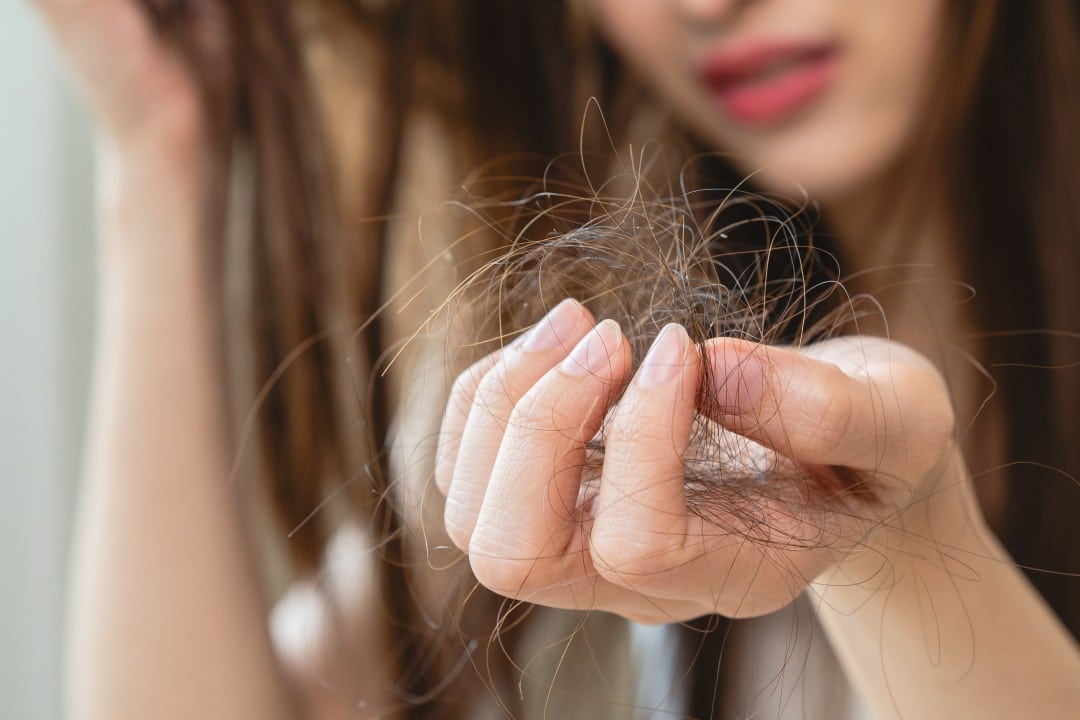
Signs that require attention include the presence of a greater number of hairs in the shower, on the brush or on the pillow, the noticeable thinning of the thickness of the ponytail and the general decrease in hair volume. According to Mariana Scribel, it is a common mistake to disregard these changes or attribute them solely to aesthetic issues, without seeking an in-depth clinical analysis.
Most effective therapeutic approaches
Dermatologist Mariana Scribel explains that the treatment plan is directly dictated by the precise identification of the origin of the fall. For situations of telogen effluvium, intervention focuses on correcting the trigger, which may include reorganizing the routine, optimizing sleep quality, replacing iron or vitamin D if there is a deficiency, and applying topical products to encourage hair growth.
In cases of hormonal origin, such as polycystic ovary syndrome, therapeutic management may include endocrine control under medical supervision, the use of antiandrogenic drugs in specific situations and the use of dermatological treatments aimed at stimulating hair follicles.
“Among the strategies widely adopted in dermatology, we highlight the application of lotions with topical minoxidil, which extends the anagen phase of the hair, and procedures such as microneedling, as well as injectable therapies into the scalp, which include the direct administration of growth factors and vitamin complexes to the affected area. In certain circumstances, specific oral supplements may be recommended after a detailed laboratory analysis”, details the professional.



