
Juventus announces Maurizio Comolli’s departure and appoints Giovanni Carnevali as the club’s new CEO

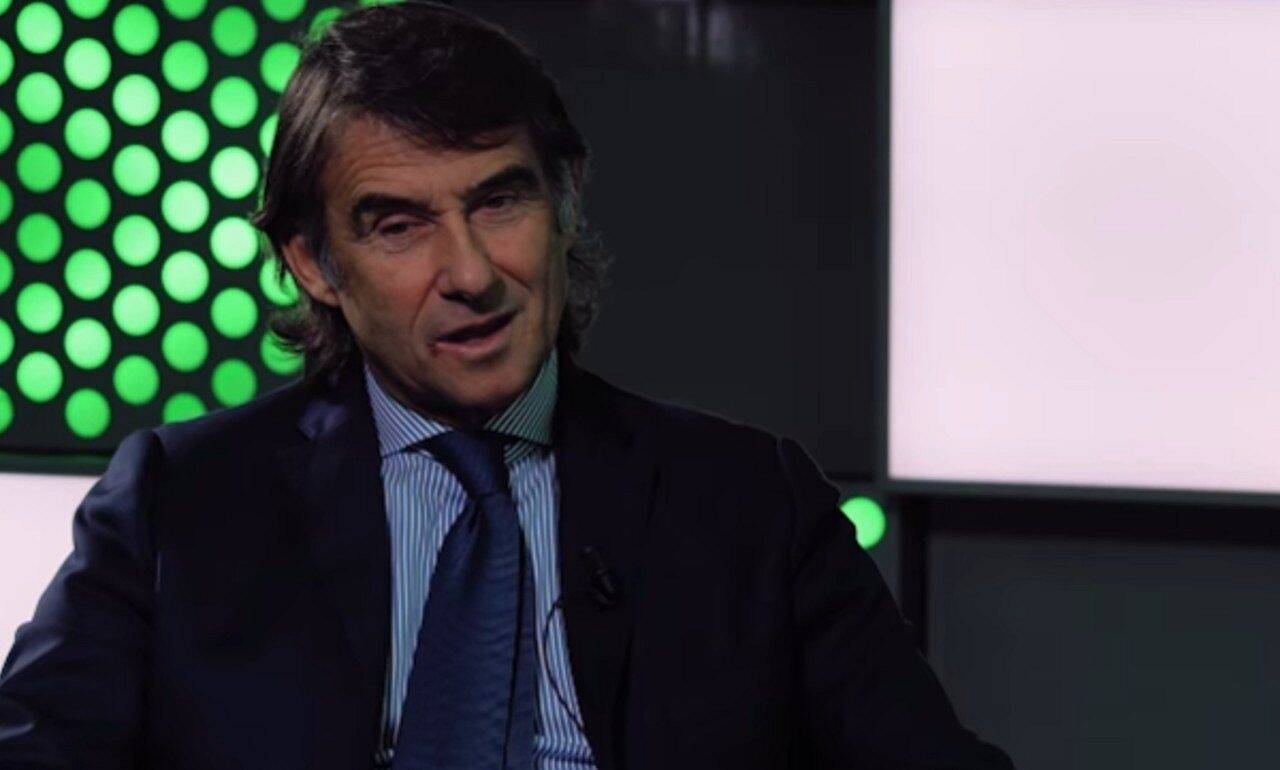
Italian club Juventus confirmed an important restructuring of its administrative leadership, making official the departure of Maurizio Comolli from his role. To fill the gap, the Turin team announced the arrival of Giovanni Carnevali, currently CEO of Sassuolo, to take on the role of executive director. The change marks a new phase in the management of the European football giant.
Strategic changes to the Turin club’s board of directors
The decision to discontinue collaboration with Comolli comes at a time of search for renewal at Juventus. Although specific details of the departure have not been fully disclosed, the transition points to a profound review of internal strategies. Comolli played an important role in recent periods at the club, and his departure paves the way for a new vision in daily administration. The board has constantly sought to improve the structure to optimize sporting and financial results, and this movement is a direct reflection of this ambition.
The arrival of Giovanni Carnevali and his record of success
Giovanni Carnevali brings with him a solid reputation, forged mainly during his successful spell at Sassuolo. Known for his ability to identify young talent and astute financial management, he transformed Sassuolo into a model of sustainability and competitiveness, even with limited resources. His ability to build high-level teams, value players and maintain a balanced budget will be an invaluable asset for Juventus, which aims for a future of stability and new titles.
The main features of Carnevali’s management include:
- Long term vision:Focus on developing young athletes and building a cohesive squad.
- Strategic negotiations:Ability to make profitable sales and timely acquisitions.
- Financial sustainability:Maintaining balanced accounts without compromising competitiveness.
- Base structure:Continuous investment in the lower categories to feed the main team.
Carnevali’s arrival signals a possible shift in Juventus’ approach to the transfer market and internal organization. His track record in developing talent and managing the budget intelligently could directly influence the club’s hiring policy, perhaps prioritizing young promises with resale potential, rather than big, already established stars. This represents a significant “why it matters”, as it redefines the strategy of the club that, for years, invested heavily in big names. The expectation is that it will bring a leaner and more efficient management philosophy, seeking to maximize performance with fiscal responsibility.
The immediate challenges for the new CEO in Turin
Carnevali will face considerable challenges as he takes charge at Juventus. In addition to dealing with the high expectations of a passionate and demanding fan base, he will have the task of harmonizing sporting ambitions with financial realities, especially in a scenario of increasing competitiveness in European football. His ability to integrate into the club’s culture and work together with the coaching staff and council will be crucial to the success of the endeavor. The pressure for results will be immediate, at the same time as he will need to implement his vision for the team’s future.





