
More than 30 minutes without Instagram and Facebook! The world is without Feed and Story

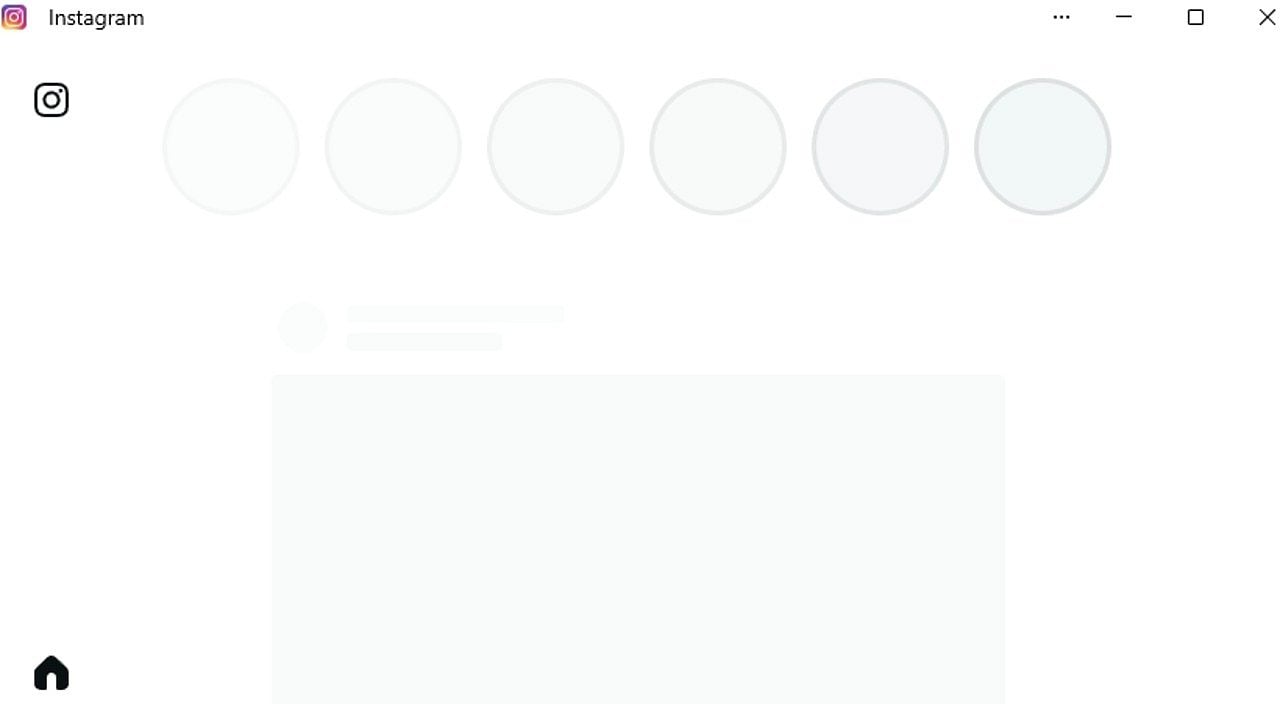
Millions of users in different parts of the world were surprised this Thursday (June 12, 2026) with the sudden interruption of Instagram and Facebook services. The instability, which has now approached 30 minutes, left Meta’s platforms inaccessible and generated a wave of frustration, especially as it coincides with Valentine’s Day, a date on which many people use social media to share moments and pay tribute.
Outage hits Instagram and Facebook globally
Since the start of the outage, around 8:30 pm (Brasília time), reports of problems began to emerge on a large scale, confirming the scope of the interruption. The flaw prevents access to both the news feed and the popular Stories, which are pillars of communication and interaction on these platforms. The situation extends to mobile apps and desktop versions, with users unable to load any content or interact.
Initially, the official Facebook page even displayed the login screen, requesting email and password. However, access attempts were unsuccessful, returning error messages or simply not progressing. This situation added a layer of confusion, as the interface appeared normal, but essential functionality was compromised, preventing any form of connection or status update.
Users report chaos and Valentine’s Day is impacted by the failure
The shutdown of Instagram and Facebook on such a significant day as Valentine’s Day intensified the negative repercussions and discontent among the user base. Many planned to share statements, photos and videos with their partners, or even take advantage of last-minute promotions from businesses that depend on the platforms to promote their products and services. The inability to take these actions created a feeling of loss of connection and opportunities for celebration.
Amidst the scenario of uncertainty, the interruption affects not only personal interactions, but also the digital economy. Small and large entrepreneurs, influencers and content creators depend on these networks for their daily operations, sales and advertising campaigns. A period, even a short one, of inactivity can represent significant financial losses and a delay in marketing strategies planned specifically for business dates like this. Difficult access prevents sales and communication with customers, generating a direct impact on businesses that operate mostly online.
How the digital community reacts on other platforms
Faced with the shutdown of Meta’s platforms, the online community quickly sought refuge on other social networks to confirm the extent of the failure and express their frustrations. X (formerly Twitter) and Telegram became the main channels for discussions about the problem, with millions of posts and messages from users reporting the inoperability of Instagram and Facebook. This mass migration demonstrates the interdependence of users with the digital ecosystem and the need for alternative platforms for communication in times of crisis.
The movement to other platforms was not limited to complaints alone. Many users took the opportunity to search for information, exchange experiences and even try to communicate with friends and family through other means. TikTok, for example, has seen an increase in the creation of humorous and informative content about the outage, while messaging apps like Telegram have served as a meeting place for groups that have lost communication on larger social networks. This dynamic highlights the importance of a diverse digital ecosystem, where the failure of one platform does not completely paralyze global communication.
Meta remains silent on the cause of instability
To date, Meta, the company responsible for Facebook and Instagram, has not issued any official statement about the cause of the service interruption. The lack of an explanation from the company has generated even more speculation and anxiety among users, who are awaiting information about the nature of the problem and the expected normalization of the platforms. The lack of transparency in times of crisis like this can undermine the trust of users and the business community in technology companies.
Even more challenging for users is the fact that popular instability monitoring platforms, such as DownDetector, also had access issues and were not functioning normally. This prevented people from independently checking whether the drop was widespread or just an isolated problem. The unavailability of external diagnostic tools adds a layer of uncertainty and makes it difficult to obtain reliable information, leaving users without a point of reference to understand the extent of the incident.
WhatsApp continues to operate despite the outage on sister platforms
In contrast to the inactivity of Instagram and Facebook, the messaging app WhatsApp, which also belongs to the Meta conglomerate, continued to operate without experiencing significant problems. This peculiar situation suggests that the failure may be localized to specific components of the infrastructure that support social networks, rather than a global interruption of all company services. The normal operation of WhatsApp has been a relief for many, allowing essential communication to continue even with social interaction platforms offline.
Despite the failure of social media services, WhatsApp’s stability reinforces the robustness of its architecture, which appears to be in a separate or more resilient system. This allowed millions of people to maintain personal and professional contact, minimizing part of the negative impact generated by the interruption. WhatsApp’s continuity demonstrates Meta’s strategy of redundancy or infrastructure segmentation, where not all of its applications are equally vulnerable to a single point of failure, ensuring some form of communication at critical moments.





