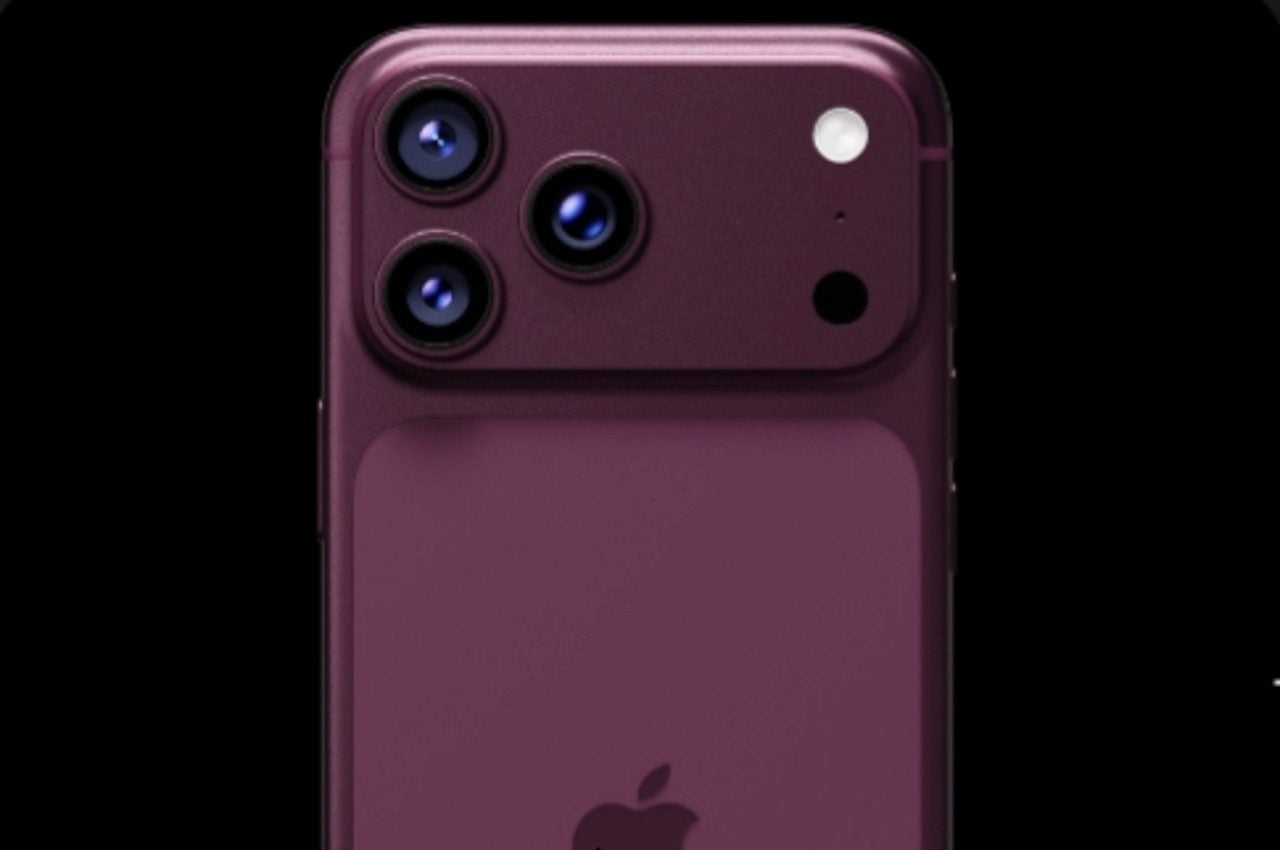
Technology giant Apple has officially announced the arrival of the long-awaited iPhone 18 Pro Max, a device that introduces a 200 MP photographic sensor with variable aperture for unprecedented control of light and depth. The brand’s flagship handset now sports a 6.9-inch LTPO Super Retina XDR OLED panel, powered by the 2-nanometer A20 Pro processor and backed by a robust 5,200 mAh battery. In addition to the top-of-the-line model, the Cupertino-based company took the opportunity to reveal its debut in the flexible screen segment with the unprecedented iPhone Fold, in addition to updating the entry-level versions. The entire reformulated portfolio is scheduled to launch in September 2026, with the most advanced model starting at US$1,199 on the international market.
New variable lens system transforms image capture on cell phones
The new smartphone’s optical set represents a significant leap forward for content creators and photography enthusiasts. The main lens houses a 1/1.12 inch sensor, the largest ever implemented on a branded phone, ensuring superior light capture even in night or poorly lit environments. The great mechanical innovation is the adjustable aperture, a physical feature that allows users to control the background blur in a real way, something that until then was exclusive to professional DSLR or mirrorless cameras.
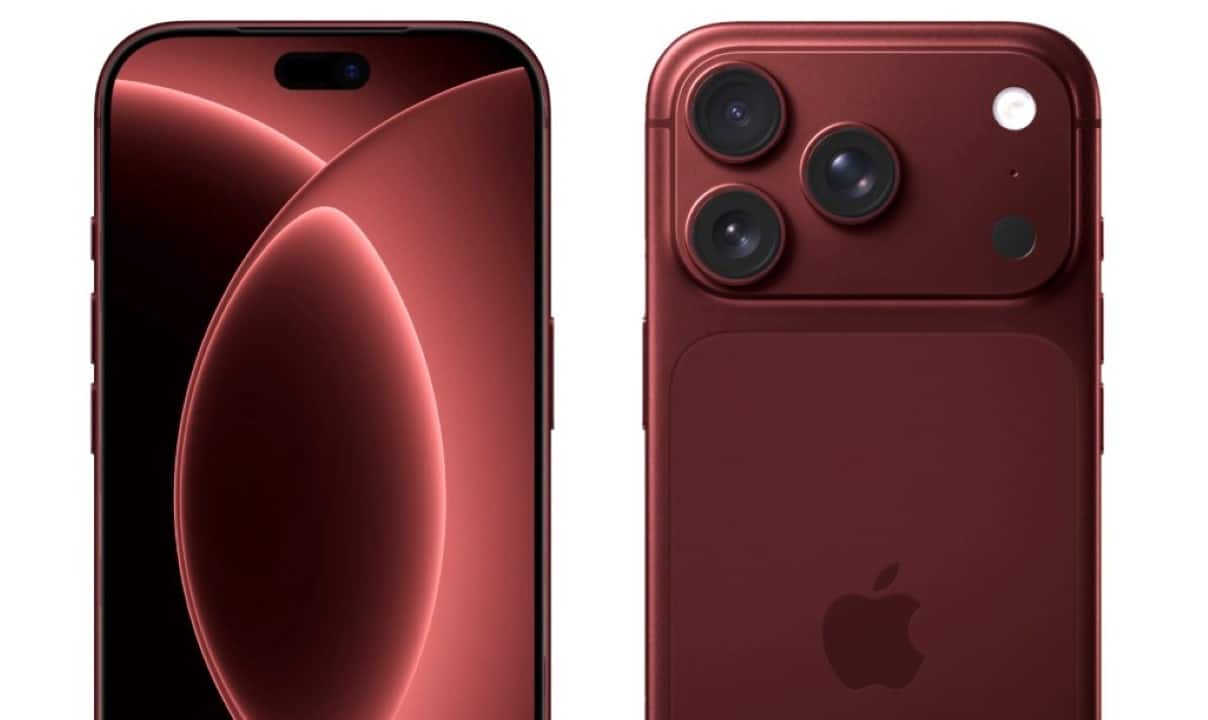
With a capacity of 200 MP, the equipment delivers a level of zoom without loss of quality that challenges the limits of the category. The rear structure of the Pro variants is made up of a 48 MP primary lens, a 48 MP ultrawide lens and a 64 MP variable aperture sensor. To complement the cutting-edge hardware, the manufacturer integrated advanced artificial intelligence algorithms that correct colors, automatically adjust exposure and refine pixels in real time. Videographers are also covered, as both premium models now record in 8K resolution at 60 frames per second.
High-definition screens and reduced edges change the look of devices
Content display comes to life through LTPO Super Retina XDR OLED technology, which utilizes Samsung’s modern M16 panels, known for leading the industry in brightness and color fidelity. In terms of dimensions, the Max version has grown to 6.9 inches, while the standard Pro edition reaches 6.3 inches. The top cutout, known as the Dynamic Island, has undergone a drastic reduction in size, accompanied by noticeably thinner frames around the display. To ensure daily durability, the ends of the chassis received structural reinforcement that minimizes damage in the event of accidental falls.
This increase in the useful viewing area facilitates the simultaneous use of applications and improves the reading of long texts without tiring your eyes. The ProMotion feature remains present, intelligently adjusting the refresh rate up to 120 Hz, which ensures fluid transitions while reducing energy consumption when the screen displays static images.
Unprecedented processing architecture and advancements in wireless connections
The heart of the new devices is the A20 Pro chip, manufactured under TSMC’s coveted 2-nanometer process, which sets a new standard for speed and thermal efficiency in the electronics market. This cutting-edge silicon delivers 45% higher graphics performance than its direct predecessor, allowing you to play heavy games with ease. To support this power, the most expensive edition in the line comes equipped with 12 GB of RAM and internal storage options that reach an impressive 2 TB.
- Implementation of exclusive C2 modem to stabilize the network signal.
- Full support for Wi-Fi 7, Bluetooth 6 and very high-speed 5G networks.
- Expanded satellite communication for remote areas and emergency situations.
- Energy capacity of 5,200 mAh in the larger model and 4,300 mAh in the smaller Pro version.
- Autonomy of up to 26 hours in continuous use and extreme economy mode that reaches 72 hours.
Internal evaluations conducted by the brand’s engineers confirm that the synergy between the new silicon component and the larger battery modules is capable of sustaining a full day of intense use without the need to look for an outlet.
Arrival of the first foldable model intensifies the dispute in the premium sector
The big surprise of the event was the reveal of the iPhone Fold, the American company’s definitive response to the growing niche of cell phones that transform into tablets. The device has a 5.5-inch external display for quick tasks and opens to reveal a 7.8-inch flexible OLED screen. The hinge mechanism was designed from the ground up to almost completely eliminate the center crease, solving one of the biggest consumer complaints regarding direct competitors like Samsung’s Galaxy Z Fold line.
Internally, the foldable device doesn’t skimp on specifications, featuring the same A20 Pro processor, 12 GB of RAM, up to 2 TB of space and the powerful 200 MP camera. Biometrics have been relocated to the side button via Touch ID, optimizing front space. Priced at US$2,000, the device targets corporate audiences and technology enthusiasts seeking exclusivity and innovation in a pocket-sized format.
Native artificial intelligence transforms the user experience on the system
This entire hardware structure is managed by the recently announced iOS 27 operating system, which features generative artificial intelligence tools embedded in its source code. The virtual assistant Siri has received a profound update, understanding complex contexts and maintaining fluid conversations. In the image gallery, users can now correct the posture of people in photos, generate artificial backgrounds and delete unwanted elements with a simple tap. The keyboard also learned new tricks, predicting entire sentences based on the owner’s writing style.
The big difference with this technological approach is that the overwhelming majority of processing occurs locally on the device itself, reducing dependence on cloud servers. This strategy reinforces the manufacturer’s historic commitment to data privacy, ensuring that sensitive information does not travel over the internet unnecessarily.
Official values and launch schedule for the global market
The official schedule establishes that the entire new family of smartphones will hit shelves in September 2026, maintaining the company’s annual tradition. Consumers will be able to choose between dark cherry, light blue, dark gray and silver tones. The price list starts at US$899 for the entry-level version, goes up to US$1,099 for the conventional Pro model and reaches US$1,199 for the Max variant. The flexible model, positioned at the top of the chain, will cost US$2,000, consolidating the brand’s catalog to face the challenges of the telecommunications sector in the coming years.
