
Costa Adeje Tenerife guarantees renewal of Venezuelan Nay Cáceres for League F dispute

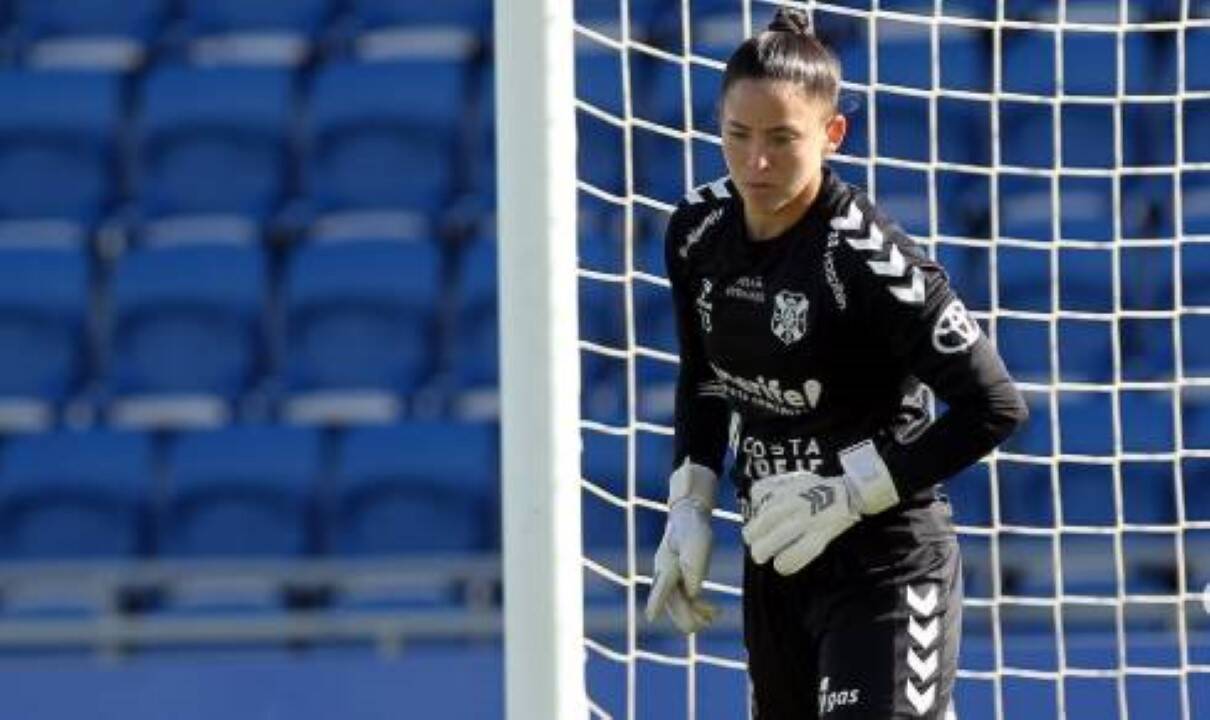
Costa Adeje Tenerife Egatesa’s planning for Spain’s women’s football elite has gained a vital boost with the contract renewal of Nay Cáceres. In an increasingly inflated and competitive transfer market, ensuring the permanence of tested and approved pieces has become the boards’ main strategy. The South American archer will continue to defend the club’s goal, ensuring that the defensive system maintains the high level of demand necessary to face the powers of the national tournament throughout the regular season.
Maintenance of fundamental parts strengthens the Spanish club’s project
Retaining the athlete on the squad goes far beyond a simple contract signing, representing a vital step for the institution’s aspirations. In a highly complex tournament like the F League, where the technical level requires perfection at the back, having a number one shirt in harmony with the rest of the group avoids dangerous fluctuations in the leaderboard. This continuity provides peace of mind for the coaching staff to work on tactical variations, including the modern ball release with the feet, without fearing mistakes under the goalposts that tend to cost precious points.
Baggage accumulated in South America and Europe shaped the athlete
Born in Venezuela, the player has built a respected CV that includes frequent call-ups to represent her nation’s colors in official Conmebol tournaments and preparatory friendlies. This constant experience in high-risk matches, added to the years of adapting to the rigorous and dynamic playing style of the Old Continent, transformed the defender into a specialist in the position. She learned to withstand the psychological pressure of knockout matches and regional classics, transferring this maturity to younger athletes recently promoted from the youth categories.
The weight of competing in one of the most difficult championships on the planet
The Spanish first division scene is largely dominated by global powers that invest millions in star-studded squads, which forces other teams to put together practically impeccable tactical schemes to survive in the elite. For the representative of the Canary Islands, who still deals with the logistical stress of constant travel to the continent, having an experienced wall in goal works as a shield against the opponents’ overwhelming attacks. When the defense does not suffer constant scares and demonstrates solidity, the creative sector gains the necessary freedom to risk offensive plays and surprise the favorites playing away from home.
Leadership on the field dictates the rhythm of the marking system
The presence of the professional gives the team commander the certainty that the last marking line will always be well oriented, regardless of the stadium or the atmosphere of the match. Under the goalposts, the Venezuelan acts like a true conductor, using her privileged view of the entire pitch to alert the defenders about stealthy infiltrations and wrong positioning during set pieces. This constant, high-pitched dialogue drastically reduces the spaces offered to rival attackers, boosting the morale of midfield teammates who can safely advance the marking.
Factors that make the player indispensable for the tactical scheme
The archer’s impact on the daily life of Costa Adeje Tenerife Egatesa can be measured by specific characteristics that justify the board’s great effort in keeping her in the sporting project:
- Consolidated international experience, mixing the physical vigor characteristic of South American football with the extreme tactical discipline required by top European clubs.
- Active and uninterrupted voice of command during the ninety minutes, essential for aligning the wall in free kicks and organizing the ball’s release under strong opposing pressure.
- Proven history of miraculous interventions and refined reflexes, which have already guaranteed draws and victories in matches where the island team was considered the big underdog.
- Total harmony with the working philosophy of the current technical committee, eliminating the need for a long and risky period of adaptation at the beginning of the calendar.





