
Israeli government confirms maintenance of occupation in Lebanon amid negotiations between US and Iran

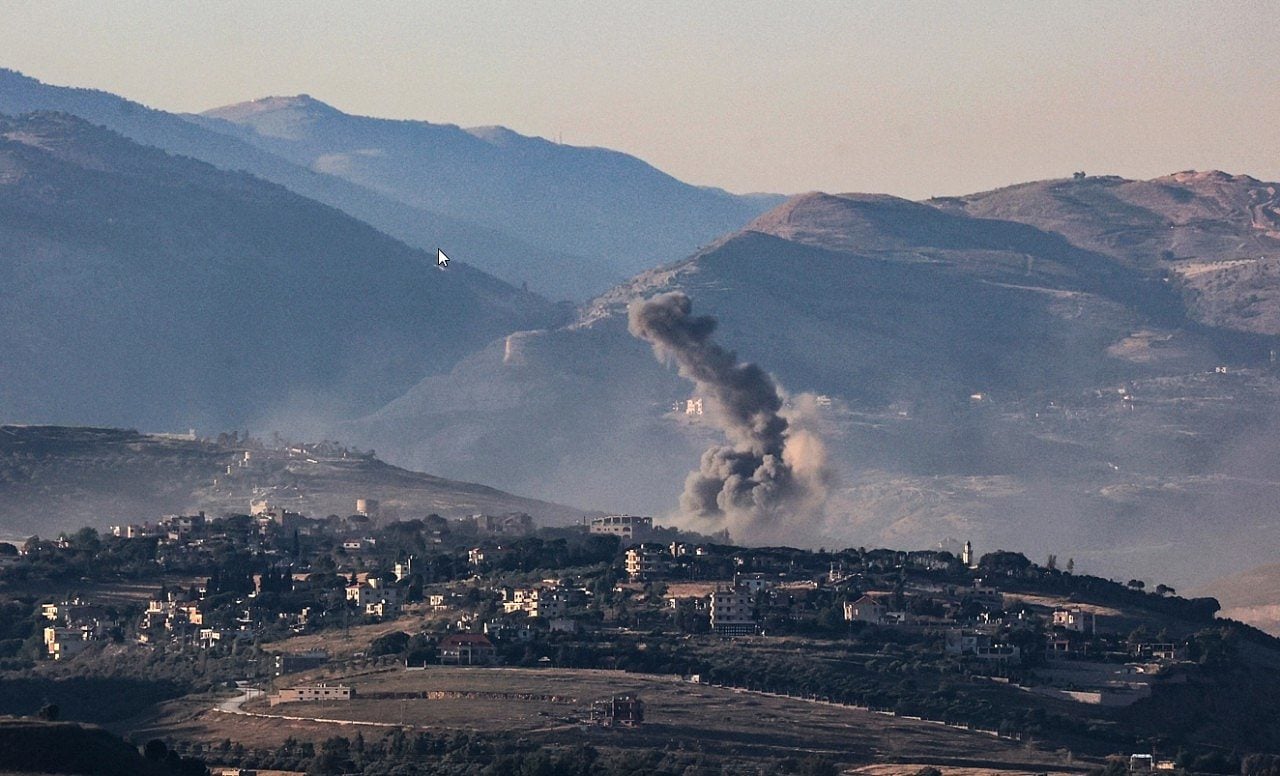
Israel’s firm position on its presence in Lebanon. Defense Minister Israel Katz declared this Friday (12) that the country does not intend to abandon the territories currently under Israeli control in Lebanon. This demonstration occurs against a backdrop of growing expectations about a potential diplomatic understanding between the United States and Iran, highlighting the complex security dynamics in the region.
Reinforcing national military policy, Katz was emphatic in stating that “Israel will not withdraw from the security zones in Lebanon, Syria and Gaza.” He completed by detailing the Israeli defense doctrine, which he considers “firm and clear”, aiming to act against both immediate and distant threats, always seeking “decisive results, not compromises or concessions”.
Strategic alignment against Iranian nuclear weapons. The Israeli minister also highlighted that there is a “common interest” between the United States and Israel in preventing Iran’s acquisition of nuclear weapons, a central point in regional and international security discussions.
Demands on Iranian regional action. Katz expressed the expectation that this principle will be preserved, as well as other issues linked to the development of missiles and support for “proxy terrorist organizations”, a clear allusion to the armed groups that receive support from Iran in different parts of the Middle East.
Negotiations on the agreement between the United States and Iran advance
Optimism with diplomacy in the region. On the same Friday, the Iranian government indicated the proximity of an understanding with the United States, with the possibility of its signature soon. The White House also demonstrated an optimistic stance, although a representative of Donald Trump’s administration highlighted that specific points still need to be finalized.
Crucial topics at the discussion table. Iranian Foreign Minister Abbas Araghchi revealed that the memorandum of understanding being negotiated would cover the Iranian nuclear program, the easing of economic sanctions, the blockade of the Strait of Hormuz and the search for a resolution to the conflict in Lebanon, in addition to “all other fronts” of tension.
American vision for the pact. A United States official, also on Friday, confirmed that the possible pact would involve reopening the Strait of Hormuz, ending the American blockade of Iranian ports, deactivating Iran’s nuclear program and moving stockpiles of enriched uranium. Interestingly, the American source made no specific mention of Lebanon, which contrasts with the Iranian and Israeli statement, suggesting points of divergence or distinct scopes between the negotiating parties.
Conditions for suspension of sanctions. The American official clarified that the granting of “these benefits” related to sanctions relief is conditional on “effective compliance with what was agreed” by Iran, guaranteeing reciprocity in negotiations.





