
Somali referee is banned from the United States and is left out of the 2026 World Cup on suspicion of terrorism

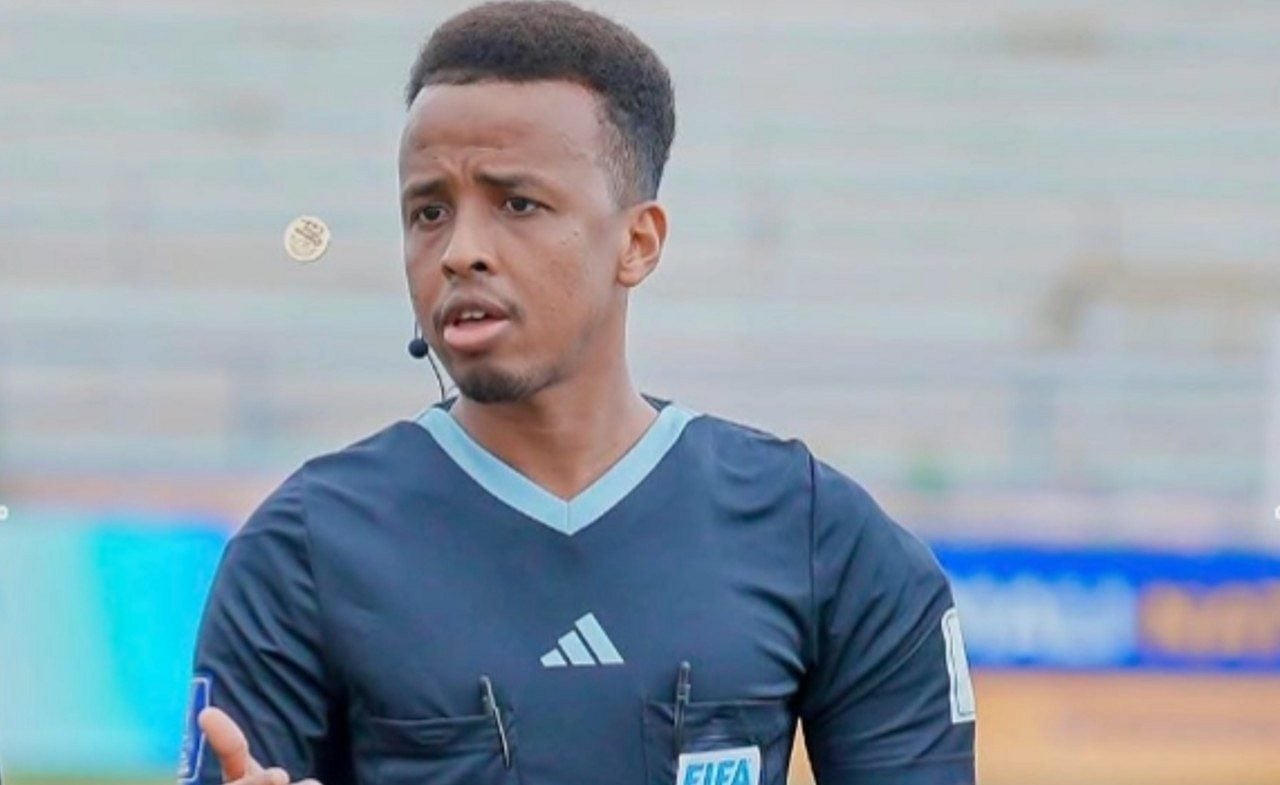
The North American government banned Somali football judge Omar Artan, who was selected to play in the matches of the next edition of the FIFA World Cup, from entering the country, justifying the measure with the discovery of compromising data that would associate him with extremist groups. The episode represents yet another obstacle in the organization of the biggest tournament on the planet, which had its official opening held in Mexican territory the night before, under strong pressure regarding the release of visas for professionals involved in the competition.
Logistical and bureaucratic obstacles mark the start of the world tournament
The international competition began in Mexico surrounded by administrative uncertainty. Long before the sanction imposed on the refereeing professional, the championship, which for the first time in history will feature 48 teams divided between the North American, Canadian and Mexican headquarters, was already dealing with serious bureaucratic difficulties in guaranteeing the entry documentation of several groups essential for the progress of the games.
- Members of foreign delegations and technical teams.
- Groups of fans from different parts of the world.
- Press professionals assigned to news coverage.
- Officials and managers linked to the organization of matches.
Approach at Miami airport and the sports professional’s version
The United States Customs and Border Protection agency released a statement confirming that the unfavorable evidence, pointing to an alleged link with individuals investigated for extremism, emerged shortly after the judge disembarked at Miami International Airport, one of the country’s main screening points. In his defense, the professional categorically rejected any type of approach to Al Shabab, a radical faction linked to Al-Qaeda that operates in the Horn of Africa, assuring immigration agents that he does not even have knowledge about the militia’s activities.
International federation decision on entry ban
As a direct consequence of the border blockade, the International Football Federation chose to exclude the Somali professional from the championship’s official refereeing team. The institution’s representative, Gianni Infantino, minimized the situation by stating that the organization does not have absolute control over all variables and suggested that critics adopt a calmer stance. The attitude of the sports leadership highlights the submission of sports rules to the sovereignty and national security policies established by the nations hosting the games.
Political developments and the feeling of frustration on the African continent
The ban transcends the four lines of the lawn and emerges as an element of tension capable of straining diplomatic ties between the Washington government and several countries on the African continent. Communicator Charles Gitonga, who runs the “Focus on Africa” program on the British BBC network, analyzed how the public in his region received the news and warned of the lasting damage that this distrust could cause in bilateral partnerships. The suspicion of links to extremists touches an open wound, as many African nations depend on global alliances to combat local insurgencies, raising urgent debates about the screening criteria applied to foreign authorities and the risk of institutional bias in events of global proportions.





