
Striker Vinicius Junior scores paint and equalizes a tense duel against Morocco in the 2026 World Cup

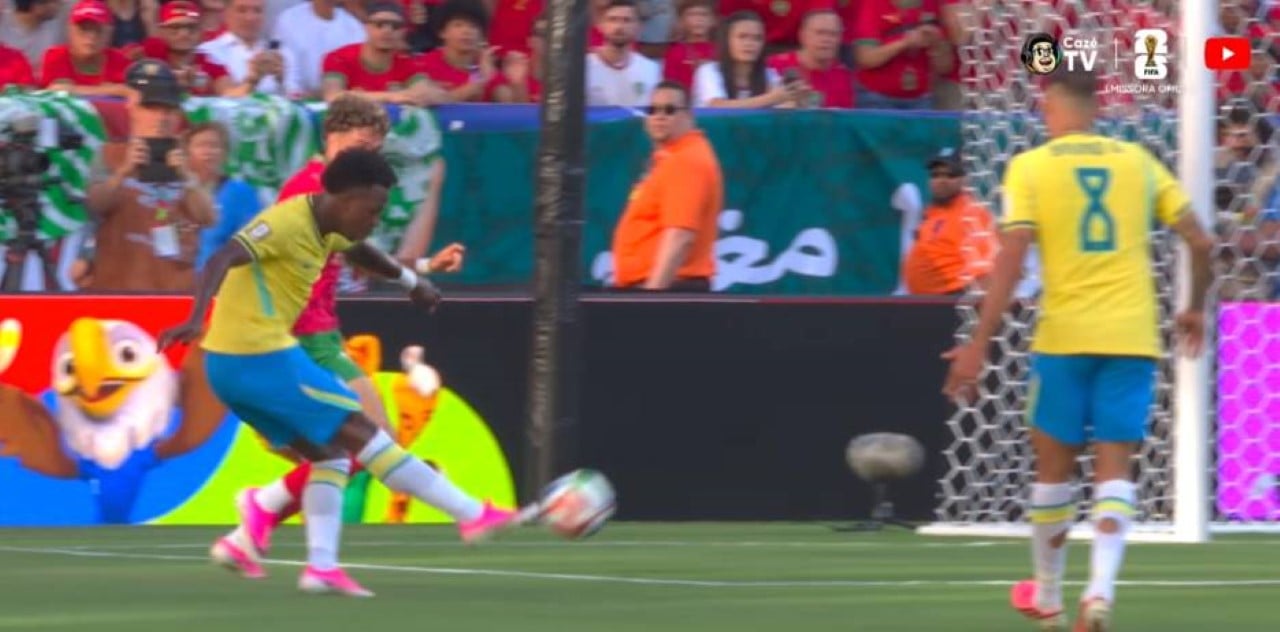
The clash valid for the 2026 World Cup began with a scare for the team led by the CBF, demanding an immediate response within the four lines. It was up to the number 7, Vinicius Junior, to take responsibility and score a real breakthrough in the 32nd minute of the opening stage, restoring equality to the scoreboard against the Morocco team. The duel takes place with extreme physicality, highlighting the high technical level of the two nations who are fighting inch by inch for classification in the world tournament.
African pressure and the first goal scored by Ismael Saibari
Shortly after the opening whistle, the Moroccan squad made it clear that they would not adopt a defensive posture, pushing their lines forward and disturbing the South American defensive system. Consolidating the powerhouse status achieved since the historic 2022 campaign, the African team shared control of the game and demonstrated an enviable tactical repertoire. Quick attacks led by Brahim Diaz and Azzedine Ounahi began to circle the area, serving as a clear warning that goalkeeper Alisson would have a lot of work to do throughout the match.
The opponent’s insistence bore fruit in the 21st minute, when Ismael Saibari took advantage of a space left by the defense. After receiving a sweet pass from Brahim Diaz, the midfielder noticed that the Brazilian archer was out of position and finished with a subtle touch over the top, opening the scoreboard with great skill. This move constructed with surgical precision put the Moroccans at an advantage and forced Brazil to rethink its strategy so as not to get into trouble in the competition.
Vinicius Junior’s individual brilliance guarantees Brazilian draw
Behind the marker, the Canarian squad needed to advance their pieces and started using the side corridors as the main escape valve. Winger Raphinha took on the role of waiter, distributing long balls in an attempt to trigger the attack, but the rival defensive system and experienced goalkeeper Bono neutralized the attacks safely. In an alternative to break the block, Lucas Paquetá attempted a shot from outside the area, again colliding with the good position of Morocco’s number 1.
Relief for South American fans came in the 32nd minute, thanks to the unquestionable talent of the Real Madrid star. Vinicius Junior dominated the field in the offensive sector, lined up the markers with his characteristic speed and fired a rocket from the edge of the small area. The shot found the right drawer of the goal, leaving the opposing archer completely static while the net shook. The 1-1 draw changed the atmosphere in the stands and proved the group’s resilience in the face of an adverse scenario.
Hot weather and strategic stops dictate the pace of the duel
Apart from the moments of the ball in the net, the match demonstrated a very high level of competitiveness, demanding a lot of the physical preparation of those called up. Due to the high temperatures at the match site, the referee authorized a technical stoppage at 23 minutes so that the squads could drink water. This breathing window worked like a mini-break, giving coaches the chance to correct their team’s positioning and change the dynamics of the following plays.
Judge Slavko Vincic had to constantly intervene to stop the harshest disputes, punishing harsh entries from names like Douglas Santos, on the green and yellow side, and Achraf Hakimi, representing the Africans. The statistics from the initial stage perfectly reflected the truncated scenario, showing 54% possession for the Moroccan team against 46% for the Brazilians. These numbers prove the opponent’s maturity in dictating the speed of the match and retaining the ball in the most difficult moments.
Detailed chronology of the main events of the initial stage
Stay up to date with everything that happened in the opening moments of this decisive clash, following the detailed records of our reporting team. Below, we list the events that defined the game’s history until the 32-minute mark:
- 1 minute: The main judge authorizes the start of the show, rolling the ball for the first 45 minutes.
- 2 minutes: Full-back Achraf Hakimi attempts a quick descent, but the South American defense nips the problem in the bud.
- 3 minutes: Ibanez comes in more harshly with a cart and commits an infraction near the baseline.
- 6 minutes: Neil El Aynaoui finds space to finish, bumping into a providential cut from the Brazilian defense that saves the country.
- 7 minutes: After exchanging short passes, Hakimi risks a direct shot that goes across the baseline, scaring the crowd.
- 9 minutes: Striker Raphinha tries to surprise from afar, but the African wall stops the shot without difficulty.
- 15 minutes: Lucas Paquetá calibrates his foot from outside the area, stopping in a calm defense by the experienced Bono.
- 19 minutes: An attempt to pass the ball to Vinicius Junior is read perfectly by the marking, only giving way to a corner.
- 21 minutes: Moroccan goal (0-1). Ismael Saibari receives a masterful pass from Brahim Diaz and plays for cover as Alisson leaves.
- 23 minutes: The referee stops the timer to replace the athletes’ fluids in the intense heat.
- 27 minutes: Hakimi sews up the marking in an individual play, but misses the shot, sending it out.
- 29 minutes: Full-back Douglas Santos arrives late and the referee calls a foul in favor of the African team.
- 32 minutes: Brazilian goal (1-1). Vinicius Junior pulls a rabbit out of his hat, clears the play and hits a shot in the corner to leave everything even.
Projections for the outcome of this global confrontation
With equality stamped on the electronic scoreboard, the level of nervousness on the field remains at high levels. Driven by the paint of their main attacker, the Canarian team must advance their lines even further to seek a turnaround as soon as possible. On the other hand, the Moroccan squad has already proven to have a solid defense and a creative midfield, which will force its coaching staff to come up with new traps to hold back rival advances and exploit possible deadly counterattacks.
The balance demonstrated so far indicates that the final stage will be full of strong emotions and completely open to any outcome. The public at the stadium and spectators at home will certainly see an intense physical battle, with goalkeepers working hard and fierce battles in midfield. To stay up to date with every update on this tournament, continue browsing our pages and activate the portal alerts to receive details of the 2026 World Cup directly on your screen, without missing a second of the competition.





