
This is Brazil! The Brazilian team now debuts against Morocco in New Jersey in the search for the sixth title of the 2026 World Cup

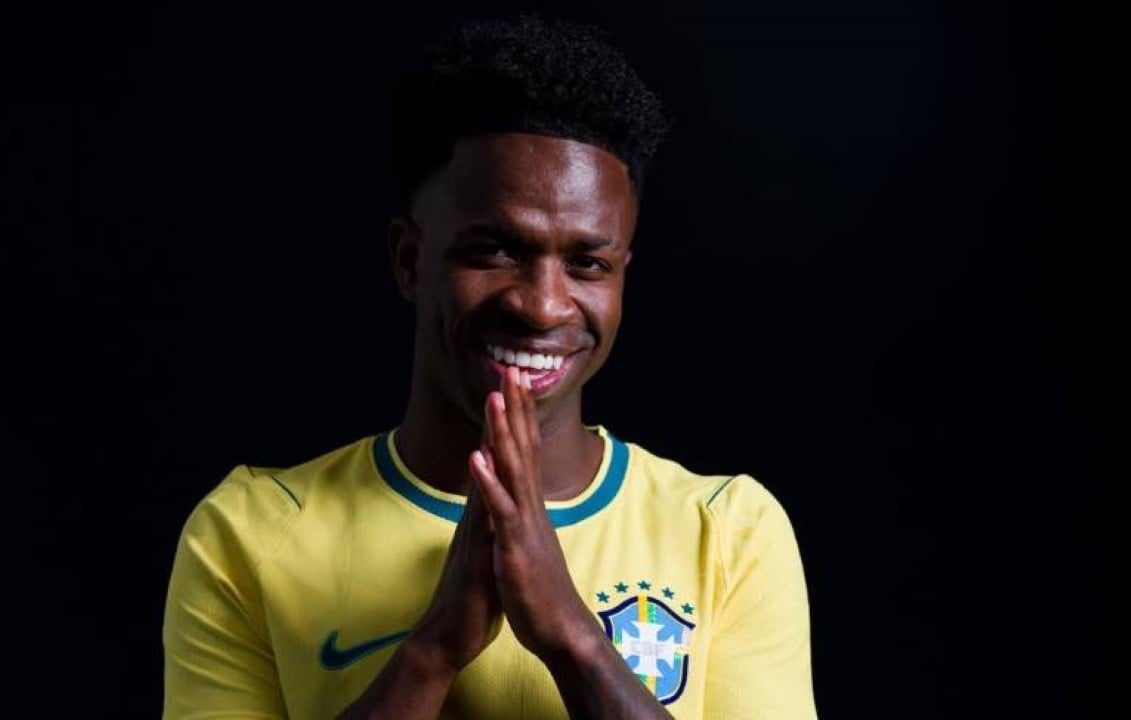
The search for the Brazilian team’s sixth world title has its first chapter written tonight, with the long-awaited duel against Morocco. The kickoff is scheduled for 7pm in the local time zone, with the gigantic arena located in New Jersey, in the United States, as the stage. Thousands of fans place their hopes on this squad, which bears the responsibility of erasing frustrations from previous editions and starting the 2026 competition with a positive result in the group stage.
The clash that opens the country’s agenda in the tournament also serves as a litmus test for the work carried out by the current technical committee. The two nations arrive with lofty goals and well-defined game systems, which guarantees a clash of a high technical level on the sport’s main stage. Experts point out that the first ninety minutes will reveal the true identity of the Canarian squad under the new work philosophy, generating a climate of anxiety among football lovers.
Luiz Felipe Scolari, commander of the fifth championship, recently analyzed the team’s formation and highlighted the fundamental role of center forward Igor Thiago in Carlo Ancelotti’s tactical design. The veteran explained that the player provides a solid structure for the Italian coach to work with. According to the former coach, the athlete’s lineup goes far beyond a simple exchange of parts, functioning as a gear that changes the entire offensive dynamic of the group.
The attacker’s ease in retaining possession, combined with his physical strength and dominance in high plays, offers an unprecedented range of alternatives for breaking through defensive blocks. This characteristic allows the South American team to vary the way they attack the opponent, alternating between short touches and direct calls. With this, the European commander’s vision of the game gains a perfect executor within the penalty area, making it difficult to read his rivals’ tactics.
The disembarkation of those called up to the sports arena generated the traditional atmosphere of euphoria that surrounds the five-time champion team. Surrounded by a strong security apparatus and dozens of press professionals, the athletes demonstrated closed faces and total focus on commitment. This journey between the bus and the locker rooms represents the last moment of transition before the ball officially rolls onto the North American pitch.
The physical presence of the squad at the venue means that pre-game tension reaches its maximum level in the stands. For the professionals who go to the field, the silence in the corridors reflects the understanding of the weight they carry in representing the most successful country in the sport. All the preparation of the last few months now comes down to the perfect execution of the guidelines given in closed training.
Definition of incumbents reveals strategies of Brazilians and Moroccans
The mystery surrounding the starting eleven came to an end with the publication of official documents by the technical committees, minutes before the warm-up. Under the leadership of Carlo Ancelotti, Brazil’s formation indicates a concern with maintaining security in the rearguard sector without giving up attacking the opponent in a lethal way.
On the other side of the field, coach Mohamed Ouahbi set up a defensive defense with the aim of neutralizing the South American attacks. The African strategy is based on closing spaces in the creative sector and using the speed of their wingers to punish any passing error. The clash between these two distinct styles is the biggest attraction of the night.
Main formation chosen by coach Carlo Ancelotti
- 1 Alisson (GOL)
- 24 Ibañez (LAD)
- 4 Marquinhos (ZAD)
- 3 Gabriel Magalhães (ZAE)
- 16 Douglas Santos (LAE)
- 5 Casemiro (VOL)
- 8 Bruno Guimarães (VOL)
- 20 Lucas Paquetá (MEC)
- 11 Raphinha (ATA)
- 25 Igor Thiago (ATA)
- 7 Vini Jr. (ATA)
Starting eleven defined by the Moroccan technical committee
- 1 Bono (GOL)
- 2 Hakimi (LAD)
- 14 Diop (ZAD)
- 18 Riyadh (ZAE)
- 3 Mazraoui (LAE)
- 24 El Aynaoui (VOL)
- 6 Bouaddi (VOL)
- 8 Ounahi (MEC)
- 10 Brahim Díaz (MEC)
- 23 El Khannouss (MEC)
- 11 Saibari (ATA)
The distribution designed by Carlo Ancelotti in the 4-3-3 system aims to widen the field of play, delivering the ball to the feet of Raphinha and Vini Jr. so they can explore one-on-one on the edges. The heart of the team is the trio formed by Casemiro, Bruno Guimarães and Lucas Paquetá, responsible for dictating the pace and protecting the defense. Up front, the choice of Igor Thiago confirms the coach’s promise of having a reference man capable of physically fighting with African defenders.
Mohamed Ouahbi’s response came in the form of a 4-5-1 formation heavily populated in the midfield sector, showing respect for the opponent’s firepower. The congestion in the central lane has the mission of stealing the ball quickly and using individual talents, such as Hakimi and Brahim Díaz, in runs towards the attack. Isolated up front, Saibari will need to act as a classic pivot, retaining the marking until his colleagues approach.
Options on the bench of the Brazilian National Team
- 12 Weverton (GOL)
- 23 Ederson (GOL)
- 13 Danilo (LAD)
- 14 Bremer (ZAD)
- 15 Léo Pereira (ZAE)
- 6 Alex Sandro (LAE)
- 2 Ederson (VOL)
- 17 Fabinho (VOL)
- 18 Danilo Santos (VOL)
- 9 Matheus Cunha (ATA)
- 19 Endrick (ATA)
- 21 Luiz Henrique (ATA)
- 22 Gabriel Martinelli (ATA)
- 26 Rayan (ATA)
Athletes available on the bench of the Moroccan team
- 12 El Kajoui (GOL)
- 22 Tagnaouti (GOL)
- 13 El Ouahdi (LAD)
- 5 Saadane (ZAD)
- 25 Halhal (ZAD)
- 19 Belammari (LAE)
- 26 Salah-Eddine (LAE)
- 4 Amrabat (VOL)
- 15 El Mourabet (VOL)
- 7 Talbi (ATA)
- 9 Rahimi (ATA)
- 16 Yassine





