
Brazilian team faces Morocco in its World Cup debut with innovative strategy and shirtless 9 classic

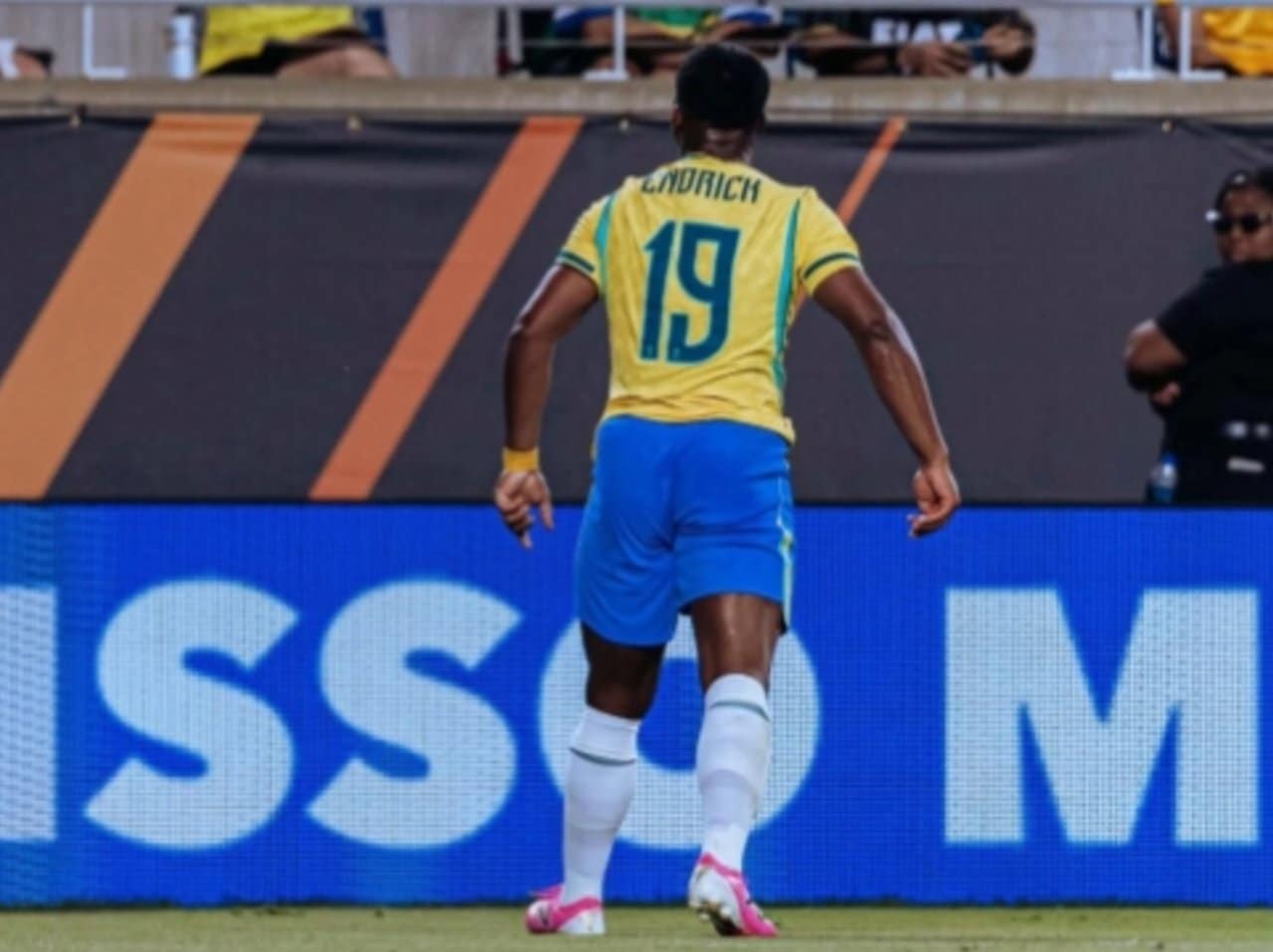
Brazil begins its World Cup journey against the Morocco team with a notable change in its offensive tactical scheme. The technical committee’s planning points to the absence of a fixed center forward, the traditional number 9, unlike the historical approaches that enshrined great names in national football.
The Legacy of the Great 9 Shirts and the Past Confrontation
The history of the Canarinho National Team is rich in legendary strikers who wore the number 9 shirt, such as Ronaldo, the Phenomenon, who left his deep mark in World Cups. In June 1998, in the city of Nantes, France, Ronaldo himself scored against Morocco, inaugurating the 3-0 victory and beginning a trajectory that would establish him as Brazil’s top scorer in the World Cup, with 15 goals. This memory serves as a counterpoint to the current tactical decision, which seeks a different path to that taken by icons of the past.
A New Approach to the Brazilian Attack
In contrast to past eras, the current formation of the Brazilian National Team reflects global football trends, prioritizing movement and versatility in the offensive sector. The absence of a regular center forward allows for greater fluidity, with wing players and attacking midfielders taking on the role of finishing plays, confusing opposing defenses. This strategy seeks to explore spaces and create different attacking options, adapting to the characteristics of the athletes available in the squad and seeking tactical unpredictability.
Tactical Challenges in the Duel Against Morocco
The initial challenge against Morocco will require adaptation to the new tactical dynamics. The African team is known for its defensive solidity and intense marking, characteristics that have historically made life difficult for fixed attackers. By adopting a more mobile formation, Brazil hopes to disorganize the Moroccan defense line and open gaps for infiltration, avoiding the overload of a single player in physical confrontations with defenders and seeking to exploit the speed and individual technique of its players.
Potential Options for the Offensive Line
With the option of not using a traditional number 9, the Brazilian coaching staff has at its disposal several versatile athletes who can play crucial roles in the attack. The expectation is that responsibility for goals will be distributed between different sectors of the field, enhancing the team’s creativity and firepower. Among the possibilities for configuring the offensive line and its expected characteristics are:
- Top athletes with high finishing ability, alternating the central position to create numerical superiority.
- Attacking midfielders with freedom to infiltrate the opponent’s area and surprise the defense with arrivals from behind.
- Constant movement between offensive players, making it difficult for opponents to mark individually and collectively.
- Creation of plays from the sides of the field, exploiting speed and dribbling to open spaces.
- Pressure the opponent’s ball, seeking to regain possession in dangerous areas to finish quickly.





