
Oil falls after announcement of agreement between the United States and Iran to end the naval blockade and resume trade

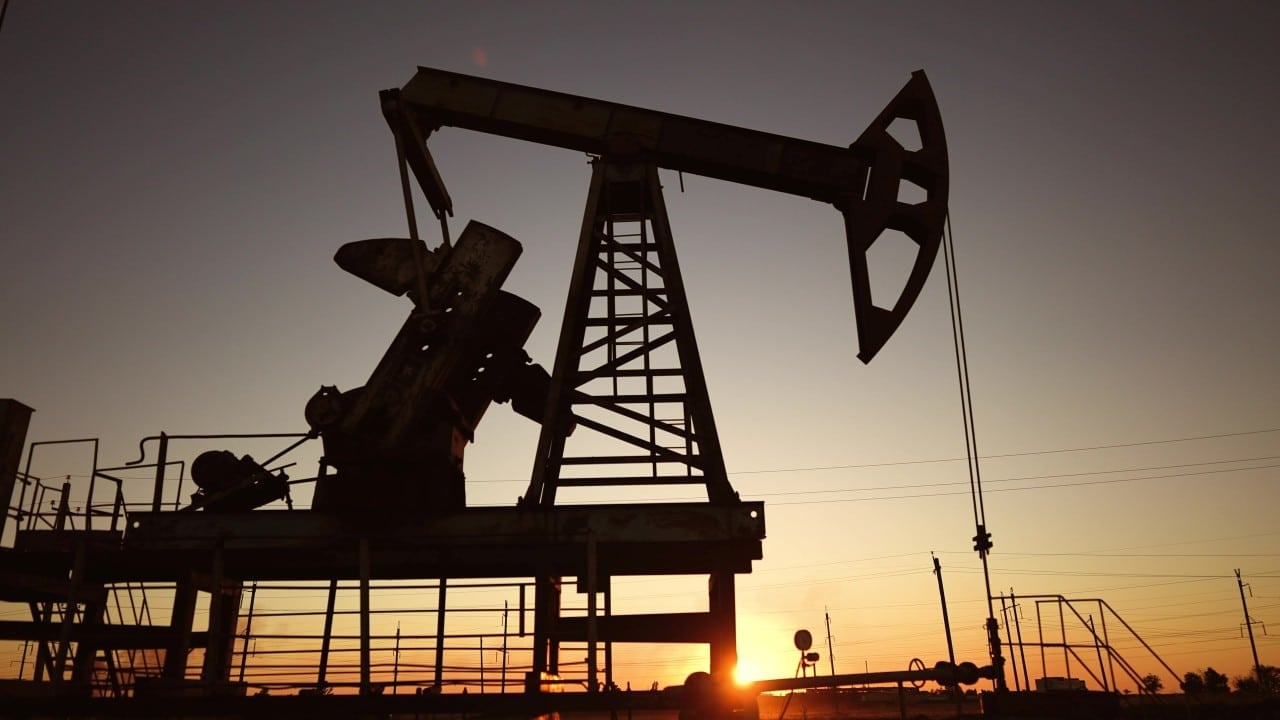
The price of gasoline in the United States recorded a significant increase, driven by recent interruptions in global oil supplies, in a scenario of conflict with Iran. Despite a drop observed for three consecutive weeks, prices remain at high levels for American consumers.
Crude oil values registered a decline last Sunday, in response to President Donald Trump’s statement, which confirmed the completion of an agreement with Iran and the imminent end of the naval blockade imposed on the country.
That Sunday, a barrel of Brent oil fell by 3.9%, reaching approximately US$84, while United States crude oil fell by 4.8%, trading at around US$81 per barrel. If this price stability is maintained, the market could record the lowest level since March 4, just a few days after the start of the conflict.
In anticipation of a possible preliminary understanding that could occur this weekend, the price of oil ended Friday’s session below US$90 per barrel, an unprecedented event since the first week of the war. However, there is still a long way to go before values return to the level of less than US$70, which was observed before the joint attacks by the United States and Israel against Iran, at the end of February.
Financial markets have reacted positively to the apparent progress, but the oil sector still faces a considerable challenge in reestablishing normal crude oil flows. It is imperative that the Strait of Hormuz is demined, that the free movement of ships is guaranteed in the maritime route, that production in the Middle East region is resumed, that strategic oil reserves are replenished and that damaged energy infrastructure undergoes urgent repairs.
Oil experts share the view that oil prices are likely to remain at high levels for a considerable period. Even if initial declines are observed, the expectation is for a recovery in values as soon as global demand strengthens again and, mainly, after the replenishment of emergency stocks.
Late Sunday afternoon, former President Trump used social media to announce that the deal with Iran “is now complete.” On the same night, Iran also confirmed that the memorandum of understanding with the US had been finalized, indicating that the official signing is scheduled for Friday in Switzerland.
Both Donald Trump and the Iranian Deputy Foreign Minister for Legal and International Affairs confirmed the imminent lifting of the American blockade of Iran’s ports. Trump also highlighted the need to remove landmines from the Strait of Hormuz, a vital sea passage for the global distribution of oil.
Additionally, Trump announced the authorization for the “opening of the Strait of Hormuz without toll costs”. According to a member of the Iranian parliament, some vessels were required to pay an average fee of around US$2 million to transit through the passage.
Even if the reopening of the strait is achieved, the full resumption of trade will take time. Oil wells in the Middle East, which remained mostly inactive during the conflict, may take several weeks to restart production once they are reactivated. Experts also warn that it is possible that these wells will not be able to reach pre-war production levels.
Oil prices could skyrocket if disruptions persist and protection mechanisms such as the U.S. Strategic Petroleum Reserve are depleted, as Bob McNally, president of Rapidan Energy, warned in an interview with ABC’s “This Week” on Sunday.
“My big concern is the possibility of oil prices spiking later this summer, with a barrel of crude oil reaching between $100 and $900, and gasoline prices at gas stations returning to historic highs of around $5 per gallon,” said McNally.
The average price of gasoline in the United States reached US$4.07 per gallon last Sunday, according to data from AAA. Despite a three-week consecutive decline, gasoline prices are still approximately 36.6% higher than before the conflict began.
Meanwhile, stock futures moved higher on Sunday. Dow Jones index futures rose 0.6%, and S&P 500 and Nasdaq futures each posted gains of more than 0.7%.





