
After scoring 7-1 in Curaçao, Germany overtakes Brazil and leads the historic ranking of goals in World Cups

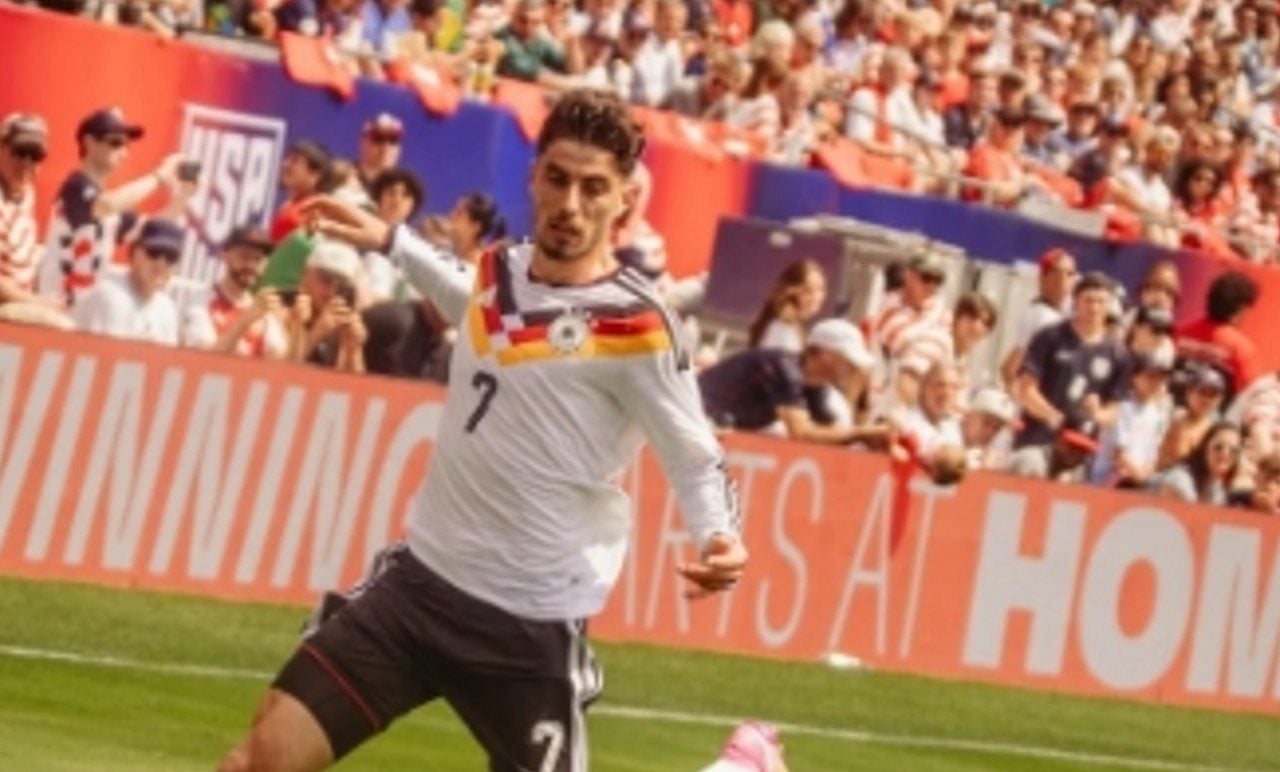
The Germany team achieved a historic feat in the 2026 World Cup by surpassing Brazil in the tournament’s overall goalscoring score. The milestone was established after an impressive 7-1 victory over Curaçao, in a match held in Houston and valid for the group stage (group E) of the competition. This result puts the Europeans at the forefront of a long-standing dispute for the most goals.
With the victory, the German team reached the mark of 239 goals accumulated in all editions of the World Cup, surpassing Brazil, which has scored 238 goals. The difference was consolidated after the Brazilian team’s 1-1 draw with Morocco, in a clash that took place in New Jersey.
A relevant fact highlights the German efficiency: the European team has two fewer World Cup appearances than the Canarian team (21 against 23), which was present in all editions. Despite this, the number of matches played is quite similar, with 113 games for Germany and 115 for Brazil, indicating a higher goals per match average for the Germans.
Top historical scorers of World Cups in updated survey
- Germany: 239 goals (113 games)
- Brazil: 238 goals (115 games)
- Argentina: 152 goals (88 games)
- France: 136 goals (73 games)
- Italy: 128 goals (83 games)
- Spain: 108 goals (67 games)
- England: 104 goals (74 games)
- Netherlands: 96 goals (55 games)
- Uruguay: 89 goals (59 games)
- Hungary: 87 goals (32 games)
Only seven nations have managed to surpass the 100 goal mark across all World Cups: Germany, Brazil, Argentina, France, Italy, Spain and England. The number of teams that played more than 100 matches in the championship is even smaller, with only the Brazilian and German teams forming part of this select group.
Sunday’s clash, which took place in Houston, saw Nmecha open the scoring for Germany. A historic moment for Curaçao was Comenencia’s goal, the team’s first in World Cups. Despite a brief setback in the first half, the Germans dominated the match, consolidating the 7-1 victory against the team that is making its debut in the World Cup. The expressive score curiously replicates the result of the 2014 World Cup semi-final against Brazil. The other goals were scored by Shlotterbeck, Havertz (with two goals), Musiala, Brown and Undav, guaranteeing the victory for the four-time world champions.





