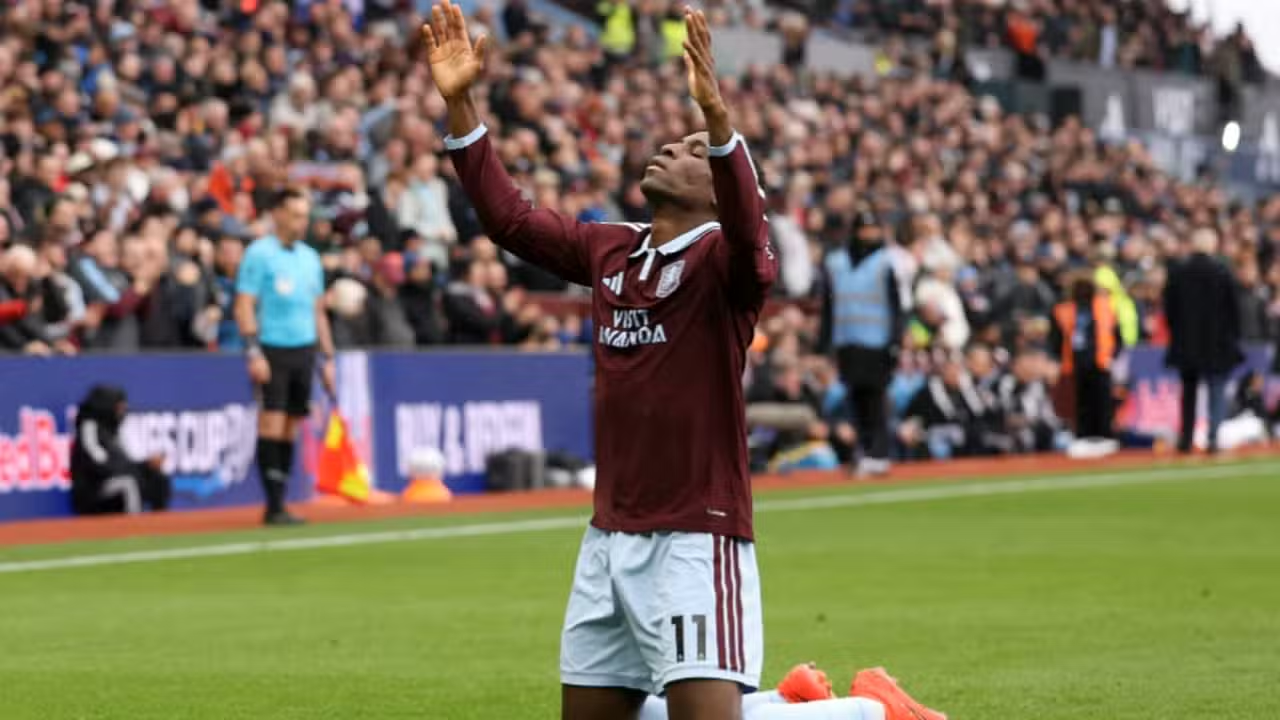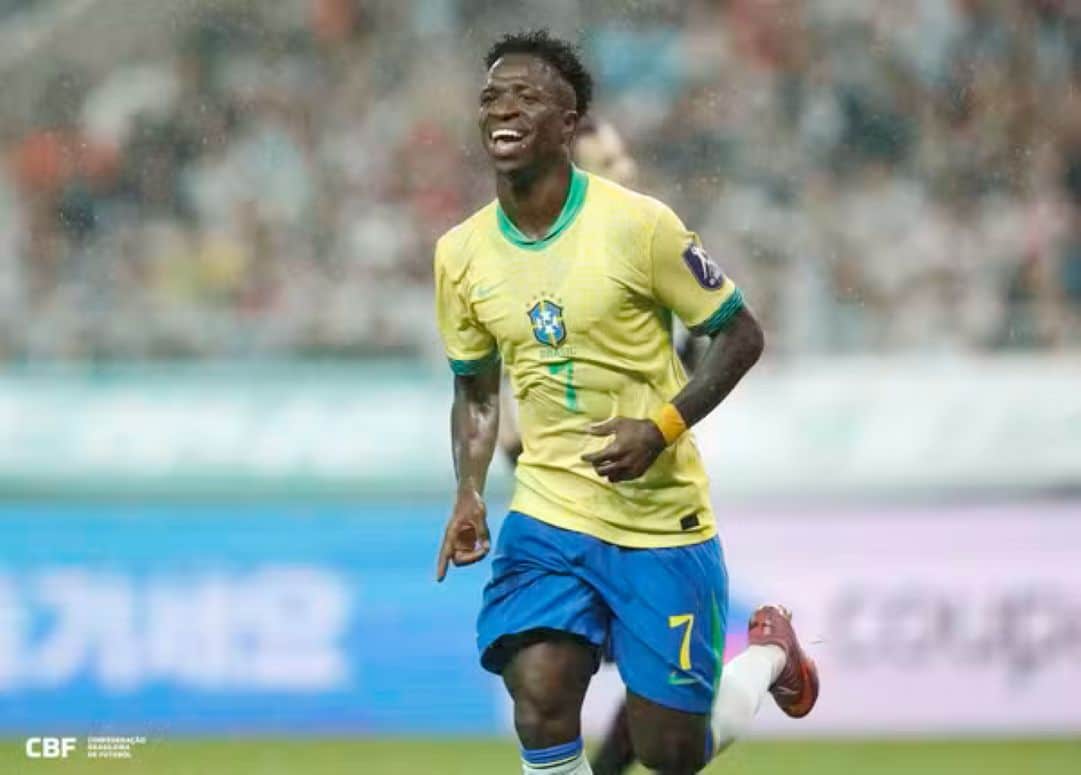
The International Football Federation (FIFA) changed its previous regulations and now authorizes the use of the Spanish language in questions and answers during all World Cup press conferences. This review comes after episodes in which athletes such as Vinícius Júnior and Hakimi were prevented from communicating in the language during the match between Brazil and Morocco. The new guidance extends beyond games held in Mexico and also covers clashes where none of the participating teams have Spanish as their main language.
With the change implemented, the organization will constantly offer translators specialized in Spanish, following the standard already established for the English language. Additionally, the availability of interpreters for the official languages of the two countries competing in each match will be guaranteed.
The highest body in world football reassessed its guidelines due to the strong negative repercussion generated by the restriction imposed on Vinícius Júnior and Hakimi. Both players were prevented from giving their answers in Spanish after the clash between the teams from Brazil and Morocco. The massive circulation of videos of what happened on social media amplified the questions, highlighting the incongruity of barring the language in a tournament that has Mexico, a country with a strong football tradition and Spanish language, as one of the host nations. This situation has raised debate about the global presence of Spanish in sport, widely spoken by millions of fans and athletes.
Reasons given for initial Spanish language restriction
In search of clarification on the episode, the portal *ge* contacted FIFA, which justified the decision as a purely operational issue. The organization explained that, prior to each match, the delegations of the participating teams indicate to the entity which languages they wish to have available for translating the interviews.
Specifically in the clash between Brazil and Morocco, the Brazilian team had requested translation into Portuguese and Italian, aiming to accommodate the possibility of their coach, Carlo Ancelotti, expressing himself in his native language. In turn, the Moroccan delegation requested Arabic and French languages.
Therefore, in both the pre-game and post-game press conferences, the languages available for translation were Portuguese, Italian, Arabic and French. English was also offered, considering it to be the official language of the location of the confrontation, which took place in New Jersey.
Due to this configuration, Carlo Ancelotti gave five answers in languages other than Portuguese, using French on one occasion, English on two and Italian on two others. However, Vinícius Júnior and Hakimi were unable to communicate in Spanish, as there was no resource for simultaneous translation for the other press professionals present.
In fact, moments before the start of the press conference, during the initial orientations, the mediator made the following announcement to the journalists: “To ask questions, please raise your hand and wait for the microphone. Today, we have translation into English, Portuguese, Italian, Arabic and French.”
However, press conferences with the participation of Hispanic nations, or those in which translations into Spanish have been requested, generally take place with questions and answers in that language. It was last Sunday night, after the wide repercussion of the incident, that FIFA chose to ensure translation into Spanish at all World Cup press conferences. For example, in Mexico, host of two matches in the opening round – Mexico 2-0 South Africa at the Azteca Stadium, and South Korea 2-1 Czech Republic – in the second match, even without the presence of Spanish-speaking countries, the translation into Czech, Korean, English and Spanish was available.