
Ozivy medication, the first Brazilian semaglutide, arrives on the national market with differentiated prices

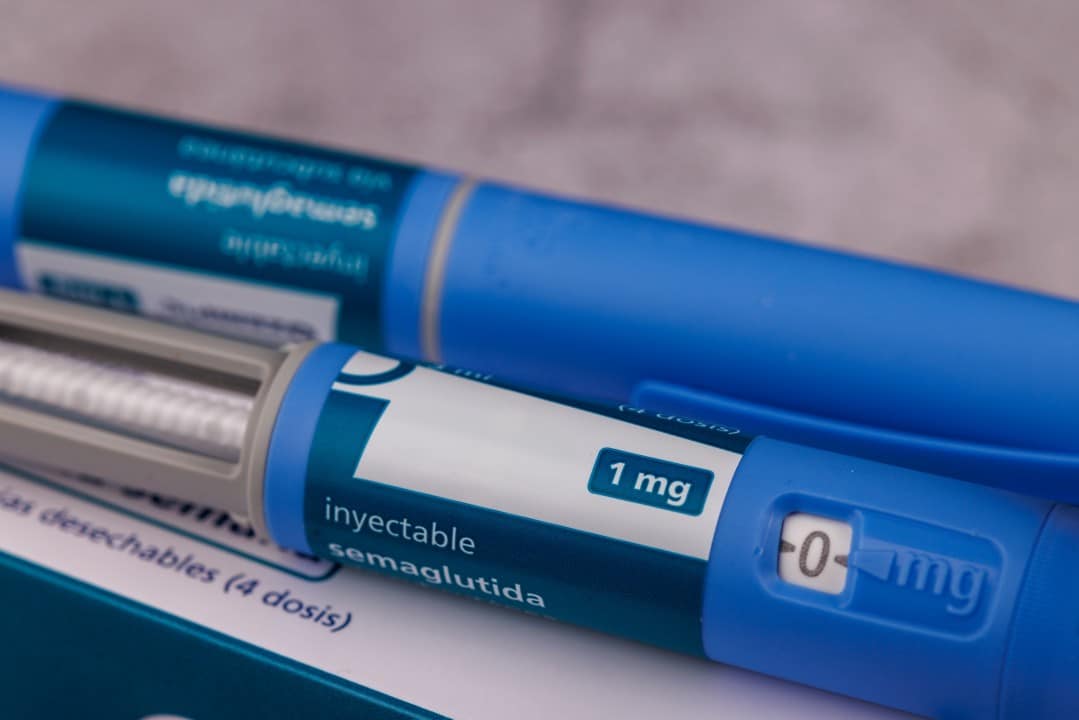
The Brazilian pharmaceutical industry now has a new essential product, Ozivy. Developed by EMS, this medicine began sales across the country this Monday (15), marking the arrival of the first national semaglutide approved by the National Health Surveillance Agency (Anvisa) for the control of type 2 diabetes.
EMS plans to make an inaugural batch of 500,000 units of the injectable pen available. Through the Vida + Leve Program, the company offers a package that includes two 1 mg multidose pens, designed to cover the first three months of treatment, with a total cost of R$863.23, which translates into approximately R$287 per month for the patient.
In contrast, in pharmacies, the retail price of the individual pen for the initial doses of 0.25 mg and 0.5 mg will be R$452 per month. For the maintenance dose of 1 mg, the unit price will reach R$497 per month, offering different cost options depending on the purchase channel and the required dosage.
The manufacturer also informed that presentations with two pens, specifically for the 1 mg maintenance dose, will be available to the public from July onwards.
The popularity of semaglutide in Brazil gained strength with the success of the drug Ozempic, whose patent on the molecule expired in March this year. In May, Ozivy obtained regulatory approval from Anvisa, paving the way for this “generic” version of the injectable pen to be produced in Hortolândia, located in the interior of São Paulo, which opens a new chapter for access to treatment.
Understand the Mechanism of Action of Ozivy Medication
Classified among GLP-1 receptor agonist drugs, Ozivy operates in a similar way to Ozempic. It reproduces the function of the hormone GLP-1 naturally present in the human body, which plays a crucial role in metabolic regulation.
Its effectiveness is manifested in a threefold fundamental action: it acts on the pancreas to intensify insulin secretion; slows gastric emptying, prolonging the feeling of satiety; and in the brain, it contributes to reducing appetite.
A clinical study called STEP-4 demonstrated that semaglutide, administered at a dose of 2.4 mg, was associated with an average reduction in body weight of around 17.4%. This result was observed after a treatment period of 68 weeks, corresponding to one year and four months, highlighting its potential in controlling obesity, in addition to treating diabetes.





