2017 cancer study reveals surprising anti-aging effect and scientists investigate fight against gray hair
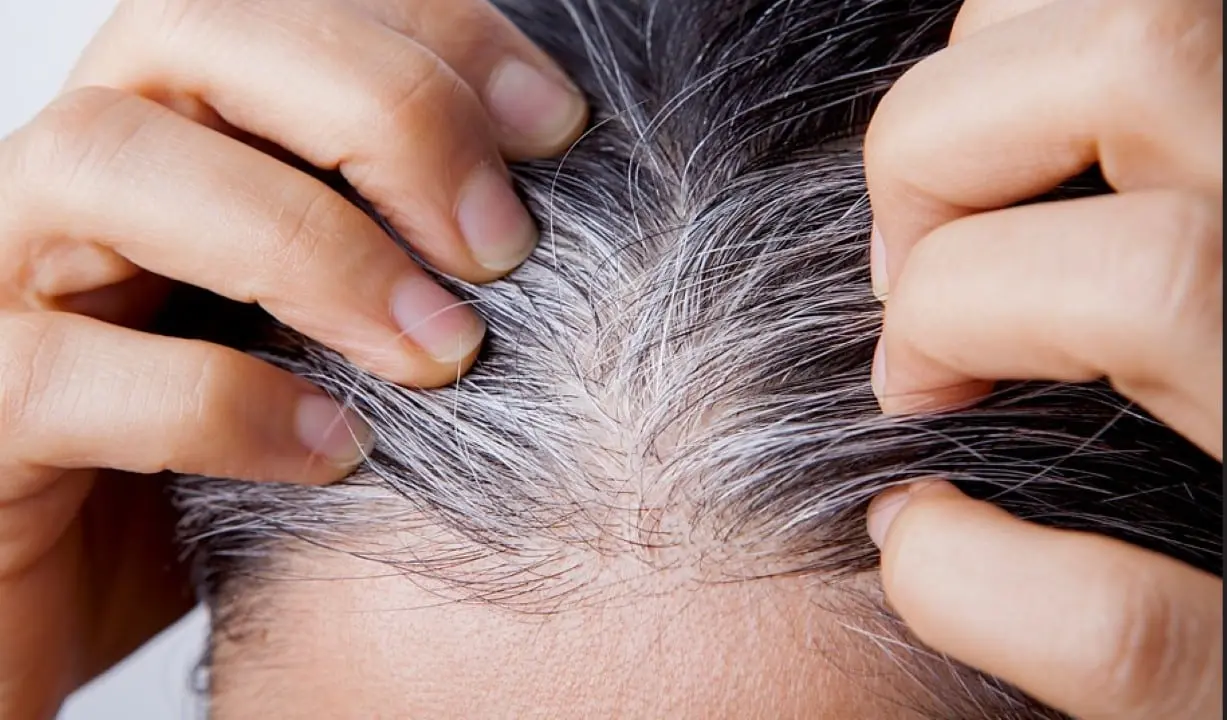
A 2017 survey of lung cancer patients identified an unexpected side effect: repigmentation of gray hair. This finding, initially a surprise, now serves as a basis for researchers to look for ways to prevent or even reverse the hair graying process.
Unusual discovery in lung cancer study
- Several key points emerged from the analysis of the results and subsequent investigations:
- Experts believe that immunotherapy, a type of cancer treatment, may offer a solution to reversing or preventing the appearance of gray hair.
- Original research from 2017 indicated that patients with lung cancer, when receiving immunotherapy, had their gray hair repigmented.
- In the years following the discovery, researchers such as Dr. Melissa Harris, from the University of Alabama, began work focused on developing a possible treatment for the hair.
- There is the expectation that, in the near future, it will be feasible to interrupt or even reverse the appearance of gray hair, with the potential response coming from medications used to combat cancer.
In detail, the study published in 2017 demonstrated that 14 patients diagnosed with lung cancer, subjected to anti-PD-1 and anti-PD-L1 inhibitors – specific categories of immunotherapy drugs – noticed that their gray hair regained its original color.
At the time of the discovery, scientists did not fully understand the reason behind this phenomenon. However, they concluded that hair repigmentation in cancer patients could indicate a good functioning of the treatment, serving as a visual biomarker.
In subsequent years, scientists, including Dr. Melissa Harris at the University of Alabama, dedicated themselves to specifically investigating how immunotherapy could influence hair color. His research seeks to uncover the exact mechanisms for a potential treatment.
The biological mechanism behind gray hair
According to information from the Cleveland Clinic, hair acquires gray, silver or white tones as we age due to the loss of pigment in the cells responsible for coloring. Melanin is the pigment that gives color to hair; the greater the amount of melanin, the darker the hair appears.
As we age, pigment-producing cells located in hair follicles, known as melanocytes, reduce their melanin production. This decrease is what progressively leads to the appearance of gray hair.
Leia Também

Messi reaches 19 goals in FIFA World Cups with great free kick for Argentina in clash with Jordan

Cristiano Ronaldo shines beyond the pitch at the 2026 World Cup with business empire and family luxury

At 41, Cristiano Ronaldo reaffirms his historic legacy and prepares to shine in the 2026 World Cup
In an interview with the Today show, Dr. Harris recently explained that the degeneration of melanocytes over time is “the main reason we get gray hair.” She emphasized that “reactivating these stem cells” represents the path to restoring the hair’s natural color.
The future of research and potential treatments
To date, the biologist and her team have conducted tests with the immunotherapy treatment only on cells and animal models, not yet on humans. Despite this, the results obtained in these initial stages were consistent with the observations recorded in the original 2017 study.
Further studies and human clinical trials will be needed before any treatment or solution for gray hair involving immunotherapy drugs can be made available to the public. The research path is long and requires scientific rigor.
However, Dr Harris expressed optimism in a statement to BBC Science Focus in 2025, stating: “We now have tools that I believe are bringing us closer to that goal.” She added, “There are countless cases in the literature that demonstrate that it is possible. We wouldn’t be having this conversation if all the questions had already been fully answered, but I think we are getting closer to that.”
Current methods for managing hair aging
Currently, there is no method to completely prevent hair from graying as a result of the natural aging process. However, it is possible to slow down the appearance of gray hair by controlling factors that contribute to its early appearance or acceleration. The Cleveland Clinic suggests combating elements such as vitamin deficiencies, smoking and high levels of stress as ways to influence hair health.