
Satellite images document the formation of Super El Niño and raise awareness of global climate impacts


This Monday (15), the European Space Agency (ESA) made public a video detailing the beginning of the development of the climate phenomenon known as El Niño. The visual material offers a rare perspective on the origins of one of the most impactful natural events on the planet.
The first signs of the formation of this phenomenon were captured by satellite equipment, providing a privileged view directly from space on the transformations taking place in the oceans. This initial observation is crucial for understanding and monitoring.
The record prepared by the space agency details the anomalies in ocean surface temperature, covering the period between June 1st and 7th, 2026. These measurements are compared to the average established for the interval from 1991 to 2020, allowing significant deviations to be identified.
The ESA clarifies the importance of using anomalies, which represent the difference between current conditions and the long-term historical average. This methodology is essential, as El Niño often manifests itself through subtle changes in relation to the “normal” state, which are more easily detectable when compared with a consolidated reference pattern.
According to the analysis presented, even though temperature variations may appear modest on the surface, the ocean’s capacity to accumulate and exchange vast amounts of heat is immense. Consequently, even discrete warmings can signal major changes in the energy flowing between the ocean and Earth’s atmosphere.
The occurrence of El Niño is linked to the weakening of the trade winds, which facilitates the movement of warm waters from the western portion of the Pacific Ocean towards the east. This movement triggers profound changes in wind patterns and overall ocean dynamics.
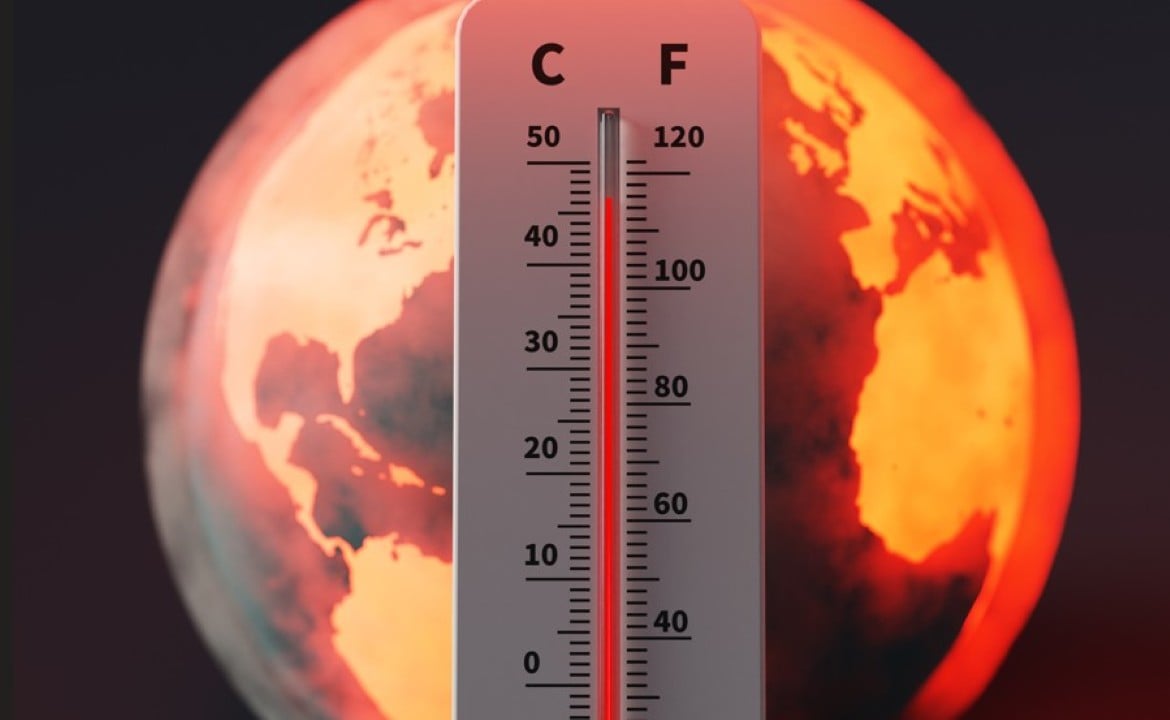
Global warming has the potential to intensify the effects of this climate phenomenon, leading to a greater frequency of extreme heat waves, prolonged dry periods, torrential rains and devastating storms. Historically, “Super El Niño” events have been associated with disproportionately severe global impacts, surpassing in scale and intensity moderate-strength El Niño phenomena, generating drastic consequences for diverse communities and economies around the world.



