
Technology and gaming giants must pay R$298 million for the use of loot boxes, the court decides

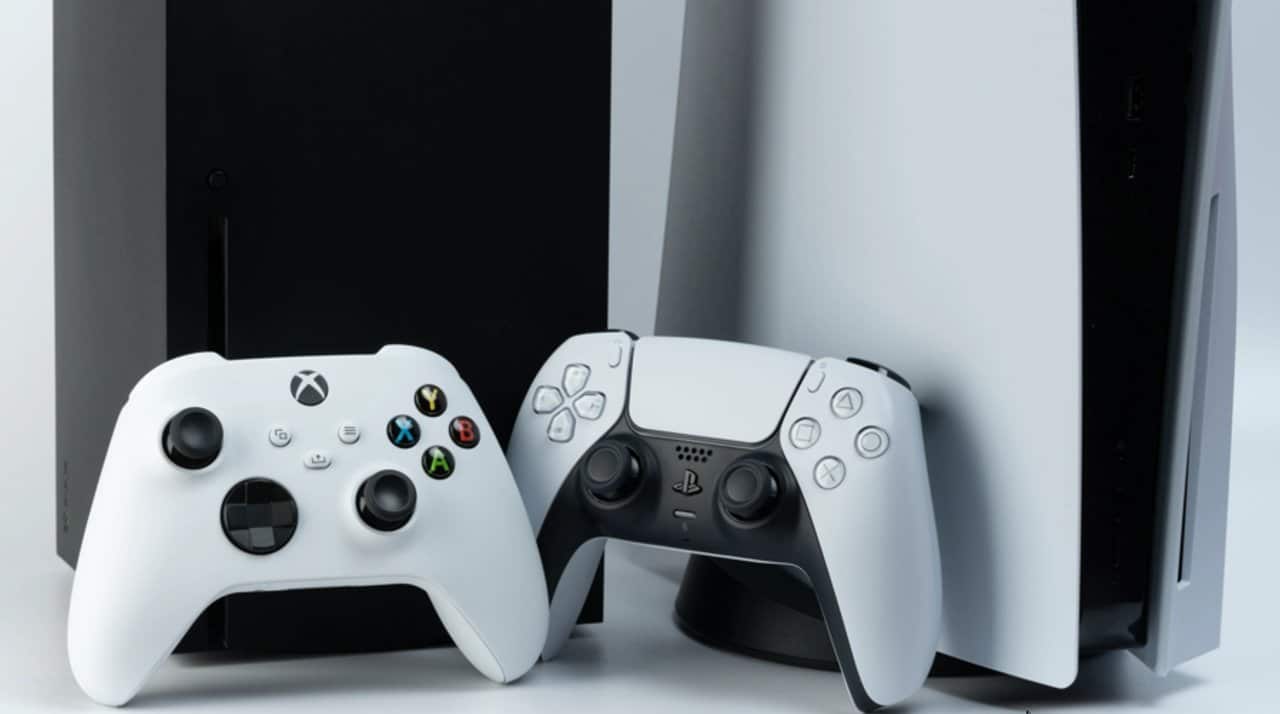
A recent decision by the Federal District Court determined that big names in the gaming and technology sector pay compensation of R$298 million. Companies such as those responsible for the Steam, PlayStation and Xbox platforms were held responsible for collective moral damages.
The sentence, issued by the 1st Children and Youth Court of the Federal District, covers major companies such as Apple, Google, Microsoft, Sony, Tencent, Nintendo, Valve, Riot Games, Ubisoft, Konami and Electronic Arts. The National Association of Centers for the Defense of Children and Adolescents (ANCED) was the author of the action, raising questions about the use of random prize systems in digital games available to children and adolescents.
The judicial system considered that so-called loot boxes have elements similar to betting mechanisms, as they encourage recurring purchases based on luck. The reasoning for the decision also highlights the lack of clarity in the probabilities of obtaining items and the vulnerability of children and adolescents to practices that can be harmful.
Big game companies receive millionaire fines for their reward boxes
Financial penalties were established considering the size and performance of each organization in the digital environments evaluated by the action. The amounts, after the case becomes final, will be directed to the Fund for the Rights of Children and Adolescents of the Federal District.
Individually, Apple, Microsoft and Tencent were the companies with the biggest convictions, each of which must pay R$50 million. Subsequently, Google and Sony were penalized with R$40 million each.
Check out the list of values defined by the Court:
- Apple (owner of the App Store) — R$50 million
- Microsoft (owner of Xbox) — R$50 million
- Tencent (responsible for PUBG Mobile and other games) — R$50 million
- Google (owner of the Play Store) — R$40 million
- Sony (owner of PlayStation) — R$40 million
- Electronic Arts (responsible for EA FC and Apex Legends) — R$20 million
- Riot Games (responsible for League of Legends and Valorant) — R$15 million
- Ubisoft (responsible for Rainbow Six Siege) — R$10 million
- Valve (owner of Steam) — R$10 million
- Konami (responsible for eFootball) — R$8 million
- Nintendo (responsible for franchises such as Mario and Zelda) — R$5 million
Understand the reasons that led to the penalization of gaming companies
Loot boxes consist of virtual boxes that can be purchased with both real money and virtual coins within the games themselves. When opened, they offer unpredictable rewards, without ensuring the player will obtain the most exclusive or sought-after items.
The judge who led the case highlighted in the decision that this monetization method exploits the concept of “intermittent reinforcement”, a psychological mechanism that encourages players to make repeated purchases in the hope of obtaining higher-value rewards. The Court understands that this dynamic can encourage compulsive behavior, especially in children and adolescents.
In addition to the financial penalty, the Court imposed a series of technical adaptations that the companies involved will have to implement in their systems. Requirements include:
- Transparent disclosure of the probabilities of obtaining the items;
- Clear warnings about the random nature of rewards;
- More effective methods for age verification;
- Refund systems for purchases made by minors.
This judicial measure comes at a crucial moment, shortly after the entry into force of the Digital ECA, known as the Felca Law, in Brazilian territory. The new Digital Child and Adolescent Statute establishes the prohibition of reward boxes for individuals under 18 years of age, generating a significant reconfiguration in the electronic games market.
In response to the new regulations, Riot Games, for example, raised the rating of “League of Legends” and initiated age verification procedures, seeking to keep the loot boxes in its titles in compliance with ECA Digital. Electronic Arts, in turn, announced that it was analyzing next actions for its “EA FC” franchise, whose “Ultimate Team” mode has a significant dependence on reward boxes.
Possibility of individual compensation for minors and the next steps in the process
In addition to the collective conviction, the verdict creates a path for impacted players to seek reparation individually. Children and teenagers who purchased or used loot boxes in the titles mentioned in the action may, therefore, request specific compensation in court.
For this repair to be effective, it will be essential to prove the connection with the questioned loot box systems and present proof of the losses incurred. The analysis of each request will take place individually in a subsequent stage of the legal process.
However, even with the wide repercussion of the conviction, the judicial process has not yet been completed. The companies against which the sentence was handed down have the right to appeal to higher courts, which means that fine payments will not be made immediately.
The amounts determined by the Court will only be deposited after the process reaches final judgment, that is, when there are no more chances of appeals. To date, the companies mentioned have not issued any official position on the decision.




