
Visit of the Brazilian team to Haiti in 2004: humanitarian legacy and the match that became a milestone for social stabilization

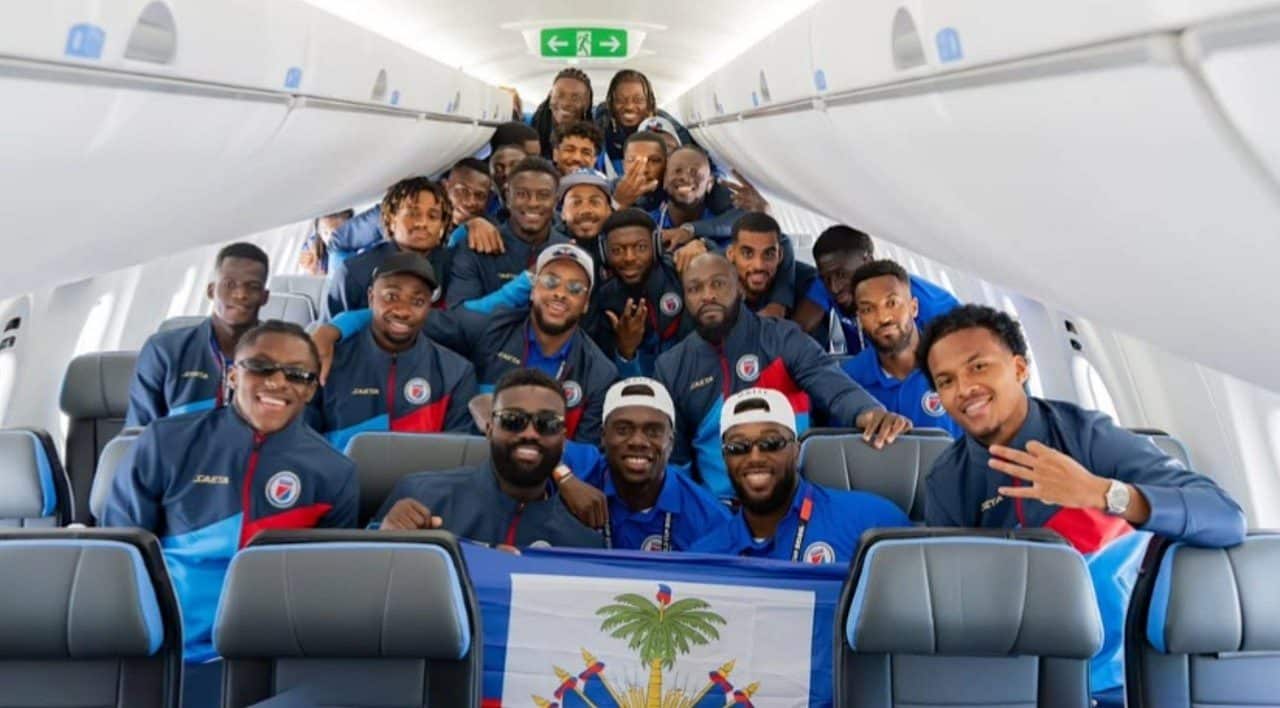
The Brazilian team is looking for its first victory in the current World Cup this Friday, the 19th, when facing the Haitian team in the second round of Group C. In the opening match of the tournament, the team led by Carlo Ancelotti recorded a 1-1 draw against Morocco.
Years earlier, in 2004, Brazil and Haiti held a historic and deeply emotional meeting. On that occasion, the confrontation was called the “Game of Peace”, representing a gesture of Brazilian solidarity amid the need for humanitarian assistance in Haiti.
During his first term as president, Luiz Inácio Lula da Silva was one of the main promoters for the match to take place. At the time, approximately 600 Brazilian soldiers were part of the United Nations Stabilization Mission in Haiti (MINUSTAH), a country facing severe internal conflicts.
In early 2004, then-president Jean-Bertrand Aristide had been deposed by armed guerrilla groups, leading to the establishment of a provisional military mission led by American forces. Haiti stands out as the neediest nation in the Americas, with alarming rates of illiteracy, malnutrition and infant and maternal mortality.
The initiative to take the team to Haiti came from Lula, with the aim of alleviating the population’s suffering and strengthening Brazil’s leading role in international politics. This proposal gained strength after Haitian Prime Minister Gerard Latortue suggested that the presence of the Brazilian team could instigate a ceasefire between rebel groups. The Brazilian Football Confederation (CBF) embraced the idea and obtained permission from FIFA to hold the game.
“The reception at the airport was impressive. We watched that crowd fighting to survive and, even so, the people exuded joy. Only those who were there can understand the positive impact that football can have on a society”, recalled defender Roque Júnior in a 2016 interview. He compared the reception to that reserved for world champions in Brazil, even though it was a simple friendly match.
Before and during the friendly, the atmosphere was one of great public commotion. Despite this, Brazilian players roamed the country’s streets under tight security and with parades of military troops.
Prime Minister Gerard Latortue even promised a thousand dollars to the Haitian player who managed to score a goal against Brazil, but the Caribbean team failed to find the net. On August 18, 2004, the Brazilian team won 6-0, with three goals from Ronaldinho Gaúcho, two from Roger Flores and one from Nilmar. The game was played at the Sylvio Cator Stadium, in Port-au-Prince, in front of around 15 thousand spectators, and was whistled by Brazilian referee Paulo César de Oliveira.
The historic match became the theme of the documentary “The Day Brazil Was Here”, released in 2005 and directed by Caíto Ortiz and João Dornelas. In recognition of the action, the CBF was awarded the FIFA Fair Play Award in 2004. Brazil would face Haiti again in 2016, winning a 7-1 victory.
The Brazilian military presence in Haiti, initially scheduled for a few months, lasted 13 years, ending only in 2017. The humanitarian crisis in the Caribbean country was severely worsened by a devastating earthquake that, in 2010, resulted in the deaths of more than 200,000 people. The series “Diaries of Haiti” documented the critical situation, showing scenarios where children were forced to consume “cookies” made from earth.





